

Best places to see partial solar eclipse across England
The Moon will block 90 to 96 percent of the Sun on August 12 in the largest coverage since 1999, alongside safety guidelines for viewers.
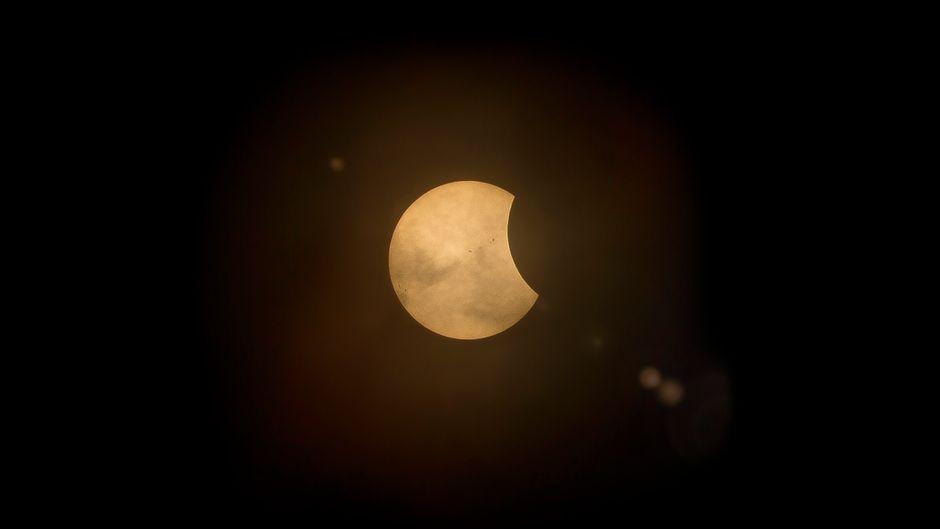
Stock photo for illustration only, not from the actual event
- The Moon will cover 90 to 96 percent of the Sun on August 12.
- This marks the largest coverage since the total eclipse in 1999.
- The event will last about 1 hour and 50 minutes from 18:20 to 20:10 BST.
- Authorities warn against regular sunglasses and mandate ISO 12312-2:2015(E) certified glasses.
People across England are preparing for a rare opportunity to witness a dramatic partial solar eclipse this week, as the Sun will be almost entirely obscured by the Moon in a striking celestial alignment.
Scheduled for August 12, the Moon will cover between 90 and 96 per cent of the Sun, delivering the most extensive solar coverage seen in England since the total eclipse back in 1999.
The celestial spectacle is expected to last for approximately one hour and 50 minutes, commencing around 18:20 BST and concluding by 20:10, though exact timings will vary depending on the observer's precise location.
Residents located in the South West of England are anticipated to experience the highest degree of coverage within the country, whereas regions in parts of Greenland, Iceland, and northern Spain will witness a total eclipse.
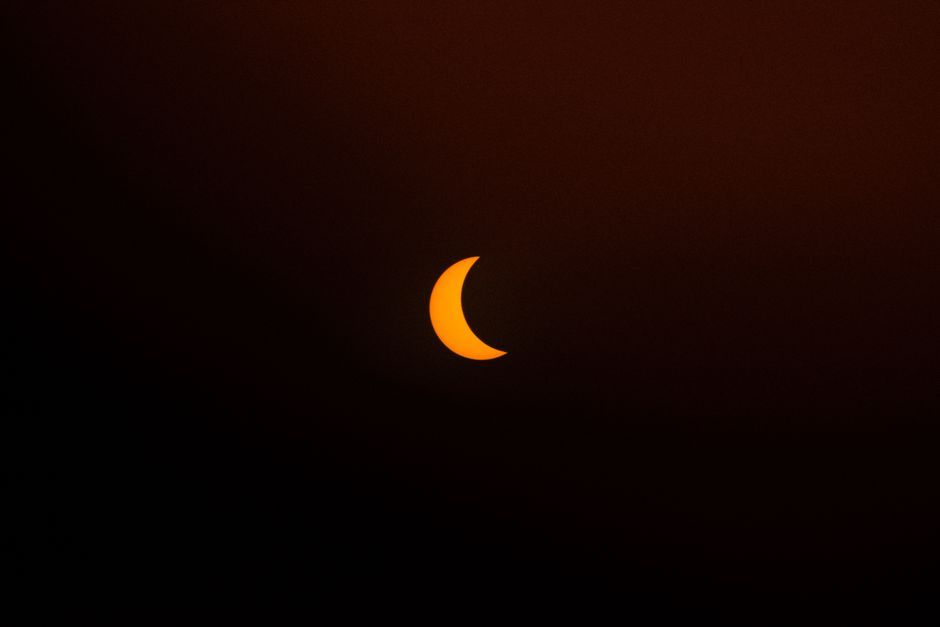
Stock photo for illustration only, not from the actual event
Partial solar eclipses of such high magnitude are exceptionally rare spectacles for the UK, offering both amateur astronomers and the public a breathtaking view of our solar system in motion. Such events also serve as a crucial reminder of proper eye safety standards when observing astronomical phenomena directly.
Regarding safety, the government strongly advises individuals to utilize indirect viewing methods or wear genuine eclipse glasses equipped with specially designed filters that satisfy international safety standards ISO 12312-2:2015(E).
Authorities emphasize that viewing the phenomenon simply through ordinary sunglasses is entirely unsafe. Alternative viewing methods include making a home-made pinhole viewer, projecting the Sun's image through a colander or gaps between tree leaves, or utilizing a pinhole projector onto a sheet of paper.
Source: BBC Science & Environment
Found something wrong in this article? Report an issue with this article
Comments
Leave a Comment