

Valve slowly expands SteamOS support on non-Valve hardware
The latest update brings crucial improvements tailored for Intel-powered handhelds like the MSI Claw 8 EX AI+.
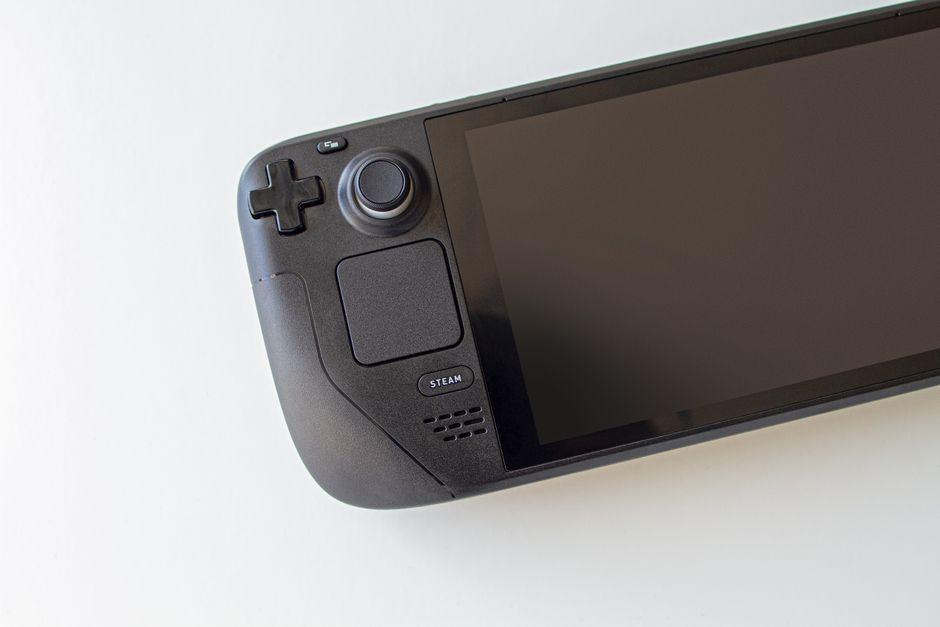
Stock photo for illustration only, not from the actual event
- Valve is gradually rolling out broader SteamOS support for non-Valve hardware.
- The latest update focuses heavily on optimizing performance for Intel-based devices.
- The MSI Claw 8 EX AI+ handheld is among the primary beneficiaries of this release.
Valve's custom operating system, SteamOS, is steadily moving beyond the boundaries of the Steam Deck ecosystem. In a recent software update, the company has continued its careful expansion of hardware compatibility, allowing users of competing gaming handhelds to experience the platform's tailored gaming interface.
This particular update introduces targeted performance improvements and system refinements specifically designed to run smoothly on handheld gaming devices powered by Intel processors. Notably, the Intel-based MSI Claw 8 EX AI+ is among the featured devices receiving these enhancements, highlighting Valve's ongoing adaptation to a wider range of PC gaming hardware.

Stock photo for illustration only, not from the actual event
By slowly extending SteamOS to third-party hardware, Valve is strategically positioning its software platform to dominate the portable PC gaming market beyond its own physical devices. This move lowers the barrier for players using alternative handhelds to integrate into the Steam ecosystem.
While the rollout for non-Valve hardware remains a measured and gradual process, incorporating support for Intel architectures and specific models like the MSI Claw 8 EX AI+ signals a promising future where portable PC gamers have more operating system choices regardless of their device manufacturer.
Source: Ars Technica
Found something wrong in this article? Report an issue with this article
Comments
Leave a Comment