

Perseid meteor shower reaches peak: When and where to catch a glimpse
Skywatchers are in for a rare treat as the annual Perseid meteor shower peaks alongside a partial solar eclipse.
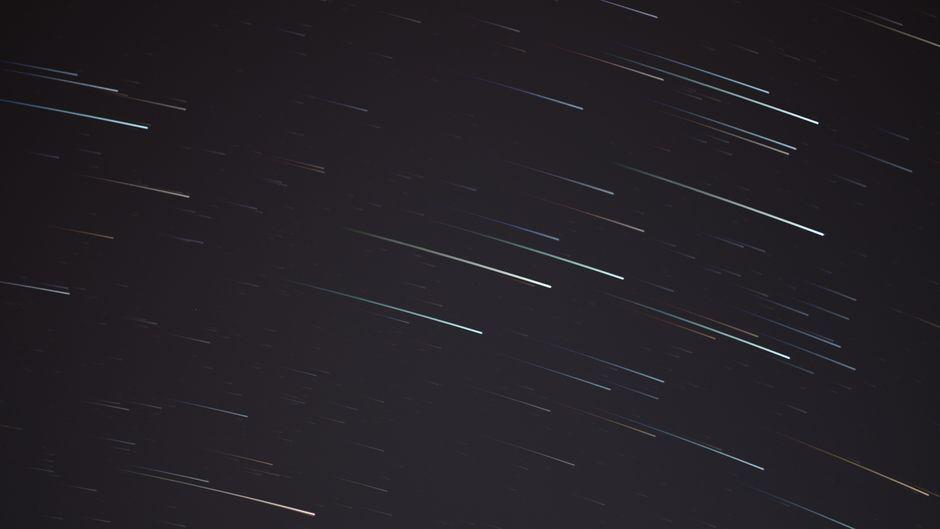
Stock photo for illustration only, not from the actual event
- The Perseid meteor shower reaches its peak on Wednesday night with over 100 shooting stars per hour.
- This year's peak coincides with a new moon, ensuring dark skies free from bright moonlight.
- A deep partial solar eclipse will also be visible in the UK during the early evening hours.
The best annual meteor shower has returned to our skies once again, with the dazzling display of the Perseids set to reach its peak on Wednesday night. Skywatchers will be treated to not just one, but two impressive astronomical events occurring within just a few hours of each other.
A deep partial solar eclipse will also be visible in the UK in the early evening before the Sun sets and the stars emerge. While the two events are unrelated, their timing makes for an exceptional night of stargazing. Astronomer Dr Becky Smethurst described it as the perfect cosmic coincidence of events.
Meteor showers occur when the Earth passes through trails of debris from asteroids or comets, which are essentially snowballs of frozen rock and gas orbiting the Sun. As this debris enters our planet's atmosphere, it burns up and creates spectacular streaks of light known as meteors.
The Perseids are caused by debris left behind specifically by the Swift-Tuttle comet. This comet is considered large, with its solid core measuring 16 miles (26km) across. Because it takes 133 years to complete a single orbit around the Sun, some of the rock pieces we see burning up could have been left behind more than a century ago.
Stock photo for illustration only, not from the actual event
"the perfect cosmic coincidence of events"
Dr Becky Smethurst
These meteors are visible all around the world and are named because they appear to originate from the constellation Perseus. The shower is active from mid-July to 23 August this year, but on most nights, it will only display a few meteors each hour. The best time to watch is during the peak nights, which fall in the early morning hours between midnight and dawn on 12 and 13 August.
The absence of moonlight during this year's peak is a crucial advantage for astronomy enthusiasts. A new moon eliminates ambient light pollution from the lunar surface, making faint meteors much easier to detect against the dark background. Observers are still advised to monitor local weather forecasts closely for potential cloud cover.
At this time, there will be many more meteors, and if you are really lucky, you could see more than 100 shooting stars per hour. To maximize viewing conditions, choose a location away from cities and artificial light sources where light pollution can obscure fainter meteors.
Source: BBC Science & Environment
Found something wrong in this article? Report an issue with this article
Comments
Leave a Comment