

Michael Sheen investigates Wales toxic legacy of chemical dumping
Hollywood actor Michael Sheen continues a whistleblower's investigation into industrial chemical dumping across Wales in a new BBC documentary.
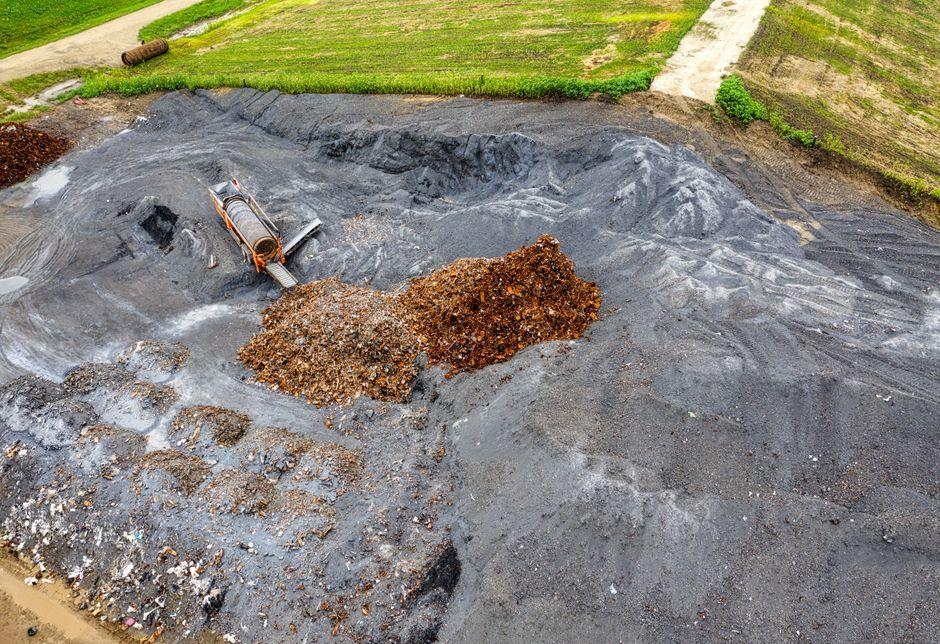
Stock photo for illustration only, not from the actual event
- Michael Phillips and childhood friends developed rare cancers after playing near a contaminated lagoon.
- Researcher Douglas Gowan tried to sound the alarm on 14 toxic sites before his passing.
- PCBs were widely used in the last century and are known as the godfather of forever chemicals.
- Wrexham council was quoted around 45 million pounds to clean up the contaminated site.
Michael Phillips spent his childhood during the 1980s playing with friends at a lagoon, firing air guns at rusty barrels that released clouds of coloured powder while remaining completely unaware of the toxic chemicals trapped inside. Decades later, several of those friends alongside Phillips himself developed rare cancers which they believe trace back to this exposure.
A researcher and whistleblower named Douglas Gowan attempted to warn authorities about 14 such locations, with 12 situated in Wales, though he passed away before anyone heeded his warnings.
"What he told me made my blood run cold,"
Michael Sheen
Hollywood actor Michael Sheen, who spoke with Gowan just months prior to his death, has carried forward the investigation in a new BBC iPlayer documentary. Gowan, a former farming consultant, alleged that the chemical giant Monsanto dumped massive quantities of industrial chemicals all around Wales, including polychlorinated biphenyls or PCBs, which he described as among the worst contaminants known to mankind and historically used in items from lipsticks to white goods.
Stock photo for illustration only, not from the actual event
Polychlorinated biphenyls, commonly known as PCBs, are synthetic organic chlorine compounds characterized by their chemical stability, heat resistance, and insulating properties. Widely utilized in electrical transformers, hydraulic fluids, and paints throughout the 20th century, they were eventually banned globally due to their bioaccumulation in ecosystems and potential carcinogenic effects on humans and wildlife.
Eastman Chemical Company, holding responsibility for Monsanto's legacy production in the United Kingdom, declined to respond to inquiries from Sheen's team and the BBC. Gowan noted that these substances build up in the environment, accumulate in fish and animals, and ultimately build up inside humans, adding that the lack of regulation at the time allowed companies to dump waste wherever they chose.
During the 1980s, a major fire broke out at the lagoon at Llwyneinion near Ruabon in Wrexham, requiring 60 firefighters over 18 hours to bring under control, with effects reportedly felt up to 20 miles away. Phillips witnessed the fire and believes the health impacts emerged in 2001 when he developed tumors on his shoulder. Subsequent blood tests revealed higher-than-average PCB levels in Phillips, while Sheen's own blood test revealed 81 different types of PCBs despite never living near dumping sites.
Source: BBC Science & Environment
Found something wrong in this article? Report an issue with this article
Comments
Leave a Comment