

Why your Amazon order confirmation emails have become so unhelpful
Amazon customers have noticed that recent order confirmation emails hide specific product names, replacing them with broad categories.
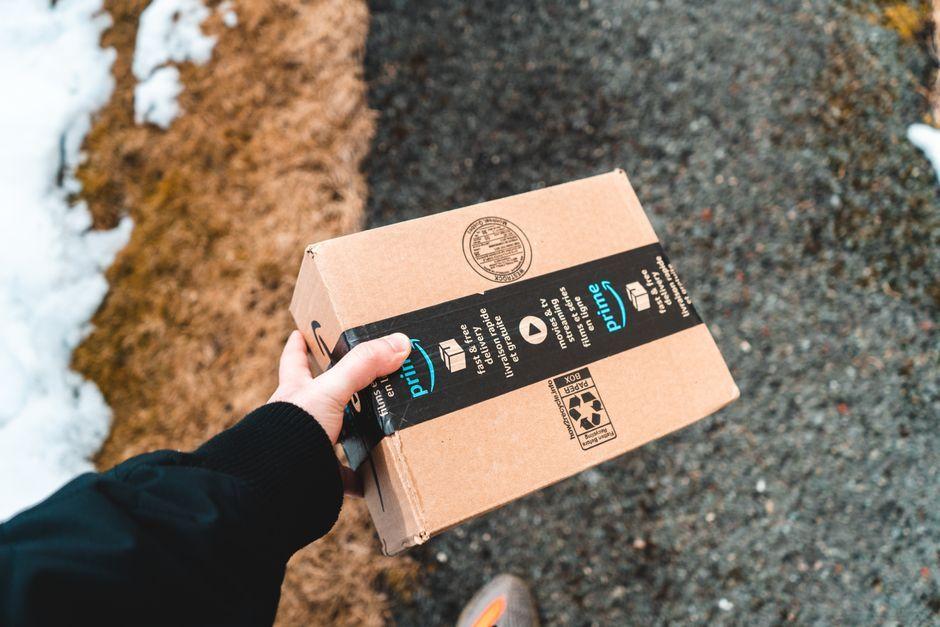
Stock photo for illustration only, not from the actual event
- Amazon order confirmation emails started hiding specific product names earlier this summer.
- New emails display broad categories like Beauty item or Hardware item instead of exact items.
- This change forces shoppers to leave their inbox and check the Amazon app manually.
- The shift coincides with the rise of AI shopping agents and data protection battles.
Earlier this summer, Amazon customers began noticing a frustrating change in their online order notifications. Order confirmation emails stopped naming specific items purchased, opting instead to display only broad product categories.
Writing for The Verge, Mia Sato noted that an email regarding her retainer cleaning tablets arrived with the subject line Your Beauty item is confirmed! Other shoppers have shared similar iterations of these redacted emails, including Ordered: 1 Hardware item, Your Drugstore, Shoes, and other items are here!, and 1 Nutrition & Wellness, 1 Wireless Accessories.
These emails feature clip art-style illustrations representing general product categories, forcing shoppers to exit their email application and open the Amazon app just to find out what they actually bought.
Stock photo for illustration only, not from the actual event
Complaints regarding these vague notifications surfaced in July, whereas orders placed as recently as June still included exact item thumbnails and names. Several shoppers have complained to Amazon directly, arguing that the lack of details makes purchase tracking difficult and mimics the look of spam or phishing attempts.
Shifts in transactional email formats often reflect deeper corporate strategies regarding data ownership and platform engagement. As automated AI tools increasingly parse user inboxes for consumer data, restricting granular details in external emails serves as a method to retain user traffic within proprietary apps.
Over the past year, tech companies have heavily promoted AI agents capable of making purchases and executing tasks on behalf of users. Google, leveraging its vast shopping catalog, introduced features like Gemini Spark, which mines user emails for travel itineraries and ticket confirmations, alongside a cross-merchant shopping cart integrated into Gmail and YouTube.
However, as users delegate more data and authority to AI tools, service providers face a dilemma: if external agents become entirely efficient, consumers have no reason to visit retail websites directly—a phenomenon The Verge refers to as the DoorDash problem.
While major retailers such as Walmart, Target, and Wayfair have integrated with Google’s AI shopping surfaces, Amazon is notably absent from that list. Amazon fiercely protects its direct connection with shoppers, having sued Perplexity last year for facilitating proxy shopping on its platform, with a judge ruling in favor of Perplexity earlier this month.
At the same time, Amazon continues developing its own AI shopping tools, such as automated price tracking and Alexa for Shopping built directly into the mobile app, keeping users within its ecosystem. The Verge directly asked Amazon whether the email format alteration was designed to shield purchase data from AI-building competitors like Google.
Source: The Verge
Found something wrong in this article? Report an issue with this article
Comments
Leave a Comment