

Solar eclipse 2026 weather forecast: Best viewing spots and times
Get ready for one of the most spectacular partial solar eclipses the UK has seen in decades on August 12, with clear skies expected in many areas.
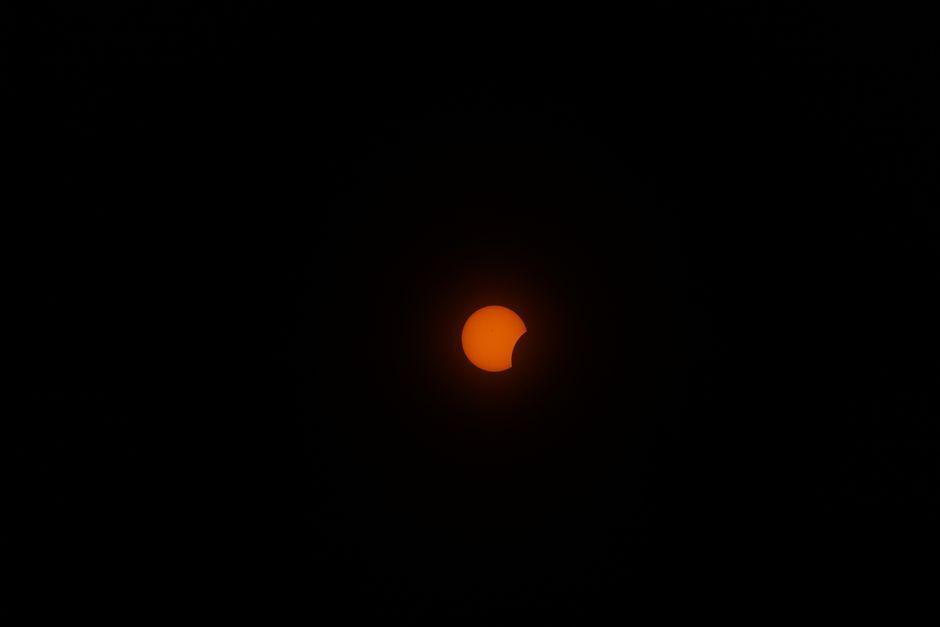
Stock photo for illustration only, not from the actual event
- A major partial solar eclipse will take place on Wednesday, August 12, 2026.
- The Moon will begin crossing the Sun from around 18:00 BST.
- London will see up to 90% of the Sun covered, while Cornwall could reach 95%.
- Mostly dry and settled weather is expected, though northern and western areas face cloud risks.
A significant celestial event is on the horizon as the UK prepares for one of the most remarkable solar eclipses witnessed in decades on Wednesday, August 12, 2026. Beginning around 18:00 BST, the Moon will initiate its movement across the face of the Sun, creating a partial solar eclipse visible throughout the region.
The scale of the obscuration will be impressive. At its peak, approximately 90% of the Sun will be covered from the perspective of London, while regions in Cornwall could see as much as 95% of the solar disc obscured. Depending on exact locations across the UK, the peak will occur between 19:02 and 19:16 BST.
Regarding meteorological conditions, the UK finds itself caught between two distinct weather systems: high pressure residing across continental Europe and low pressure paired with weather fronts positioned towards the northern Atlantic. The high pressure is anticipated to deliver generally dry and settled weather conditions for a major portion of the country, forecasting a hot and sunny day that should yield clear skies and wonderful viewing opportunities for many.
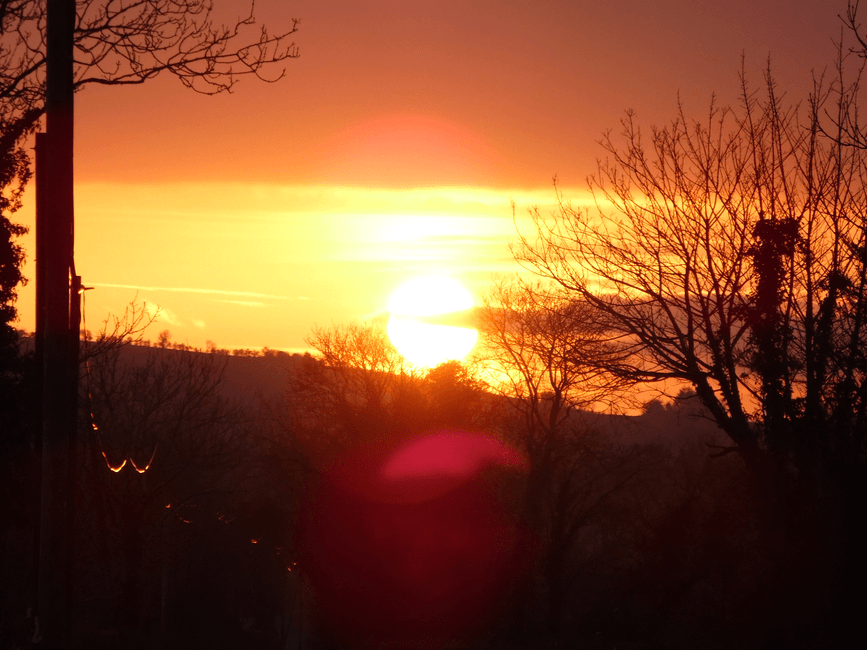
Stock photo for illustration only, not from the actual event
Monitoring weather forecasts ahead of a solar eclipse is critical, especially given that this event occurs during the early evening hours (18:00 to 19:16 BST) when the Sun hangs very low in the western sky. Even with overall high pressure, late-day temperature drops can trigger localized low cloud development, making elevated and unobstructed viewing locations essential for circumventing last-minute atmospheric obstacles.
Despite the positive outlook for many regions, certain areas might face disruptions. Parts of north Wales, northern England, and notably Scotland along with Northern Ireland could experience patches of cloud pushing through between 18:00 and 19:00 BST. Western sections of Scotland and the north and west of Northern Ireland may even see clouds bringing outbreaks of rain.
Viewers watching from Iceland might encounter some cloud cover, though the northern parts are expected to enjoy the best breaks, while the south deals with rain. Meanwhile, Spain and Portugal are looking at near-perfect viewing conditions featuring completely clear skies.
Because the Sun will sit very low in the western sky during the eclipse, observers are advised to find a location with a clear and unobstructed horizon facing west, ideally situated high up and well away from obstructing trees and buildings. This event represents the closest encounter with a total eclipse the UK will experience for quite some time, making it an unmissable spectacle.
Source: BBC Science & Environment
Found something wrong in this article? Report an issue with this article
Comments
Leave a Comment