

AGENTS.md Explained for Teams That Actually Ship Code
Discover how a simple markdown file named AGENTS.md helps AI coding agents ship clean pull requests without breaking your builds.
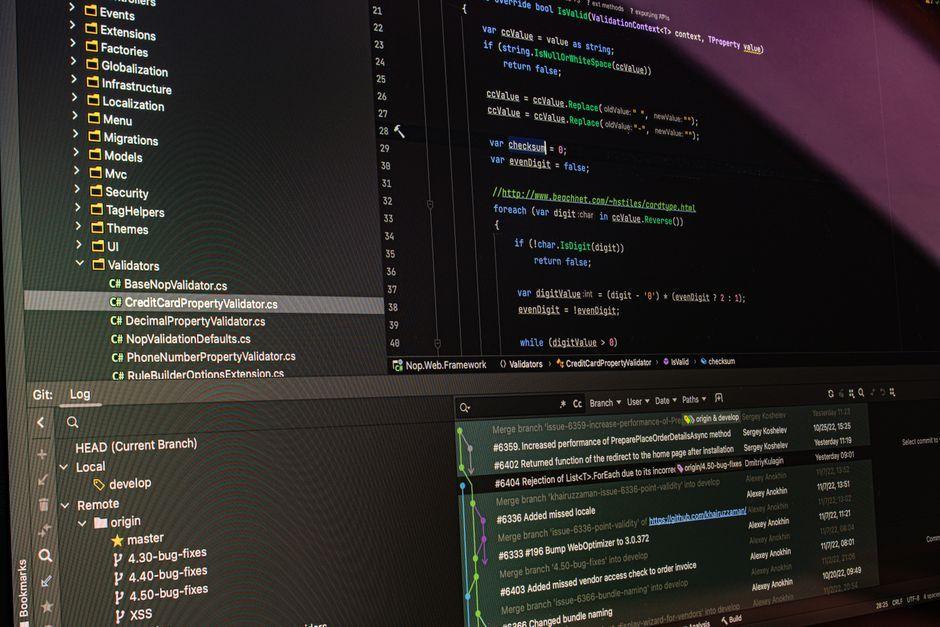
Stock photo for illustration only, not from the actual event
- AGENTS.md is a root markdown file teaching AI agents how your repo works.
- It solves context window limitations before agents touch any codebase files.
- Best practices recommend keeping it under 300 lines and avoiding traditional docs format.
- Natively supported by Claude Code, Codex, Cursor, and GitHub Copilot.
By the end of 2025, AI coding agents stopped acting like mere toys. Tools like Claude Code, Codex, Cursor, Copilot, and opencode are handling real work in production repositories. However, development teams are discovering that the thin line between an agent shipping clean pull requests and one breaking your build comes down to a single file: AGENTS.md.
For those unfamiliar with the concept, AGENTS.md is a markdown file committed directly to your repository's root. It instructs AI agents on how your repository actually functions—detailing commands, conventions, architecture, and gotchas. The agent reads this file right at the start of a session before touching a single file in the repo.
AI agents lack intuition; they operate solely on context windows. Without clear instructions, an agent dropped into a fresh repository will guess test commands, misinterpret architecture, and violate coding styles. Every single one of these is a context problem rather than a capability issue, and AGENTS.md serves as the most cost-effective fix available.
"A good AGENTS.md is the beginning, not the end. The repos where agents shine are also agent-ready."
Arpit Uppal
Anthropic's Claude Code, OpenAI's Codex, Cursor, and GitHub Copilot all read this file natively now. Write it once, and every single agent entering your repository starts equipped with your team's actual institutional knowledge. The most common pitfall, however, is treating AGENTS.md like regular documentation. To prevent failure, keep it under 300 lines; otherwise, agents will begin ignoring the trailing sections.
The adoption of AGENTS.md highlights a structural shift in AI-assisted software engineering. Developers are transitioning from writing every line of code manually to acting as technical architects who curate context and guardrails. This practice bridges the gap between human intent and AI execution, drastically cutting down review overhead and debugging time.

Stock photo for illustration only, not from the actual event
The standard starter template includes several mandatory sections:
- Purpose: A single sentence defining what the repo is and does.
- Commands: Exact setup, test filter flags, lint, typecheck, and build commands.
- Workflow: Step-by-step operational workflows.
- Architecture: Core structural layout.
- Style: Coding style guidelines.
- Gotchas: Known pitfalls and edge cases.
- Don'ts: Strictly prohibited practices.
Copy the template, fill out the brackets with accurate repository answers, and commit it. Avoid half-truths, as an inaccurate AGENTS.md misleads trusting agents. For teams seeking comprehensive setups, a Pro Pack is available for 29 dollars, offering 18 stack-specific templates spanning Python, TypeScript, Rust, Go, iOS, MCP servers, and machine learning.
Source: Dev.to
Found something wrong in this article? Report an issue with this article
Comments
Leave a Comment