

Sun-tanned cauliflowers and knobbly spuds: UK heatwave veg
Farmers across the UK face one of the driest growing seasons on record, leading to oddly shaped produce, while retailers consider loosening cosmetic standards.
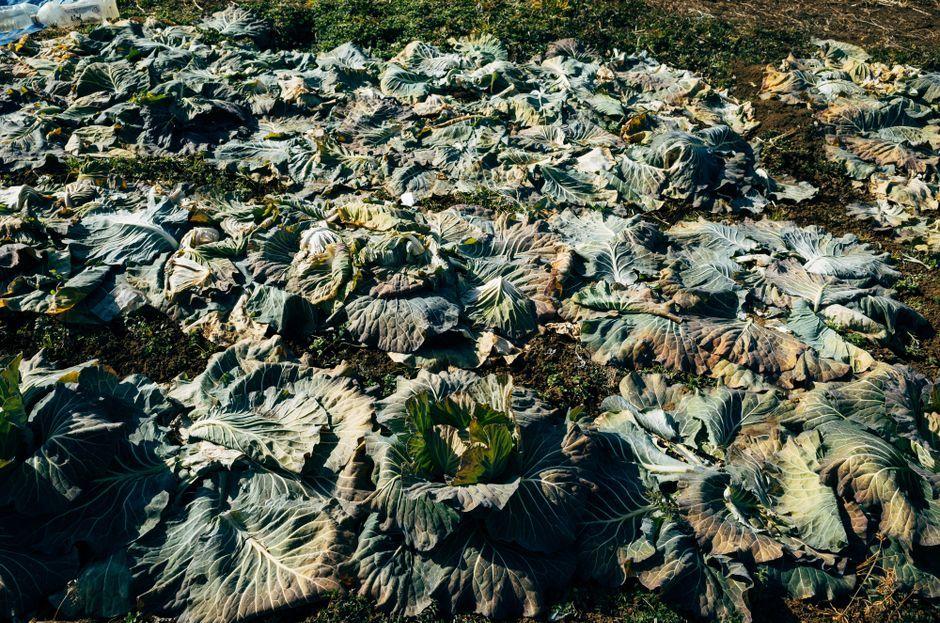
Stock photo for illustration only, not from the actual event
- UK farmers grapple with record-breaking hot and dry growing conditions.
- Supermarkets may loosen strict cosmetic rules to prevent empty shelves.
- Cauliflowers turn yellow, cucumbers grow spiraled, and potatoes develop knobs.
- Industry experts confirm that misshapen vegetables remain entirely safe and delicious.
Growers across the United Kingdom are confronting one of the driest and hottest agricultural seasons in decades following consecutive heatwaves and an unusually warm spring, raising concerns over a severely depleted harvest. This extreme weather is not only restricting the total volume of crops but also altering their external appearance.
Retailers traditionally enforce strict guidelines regarding the size, shape, and color of fresh produce. However, with supplies heavily constrained, many supermarket chains are expected to relax these aesthetic standards rather than risk bare shelves.
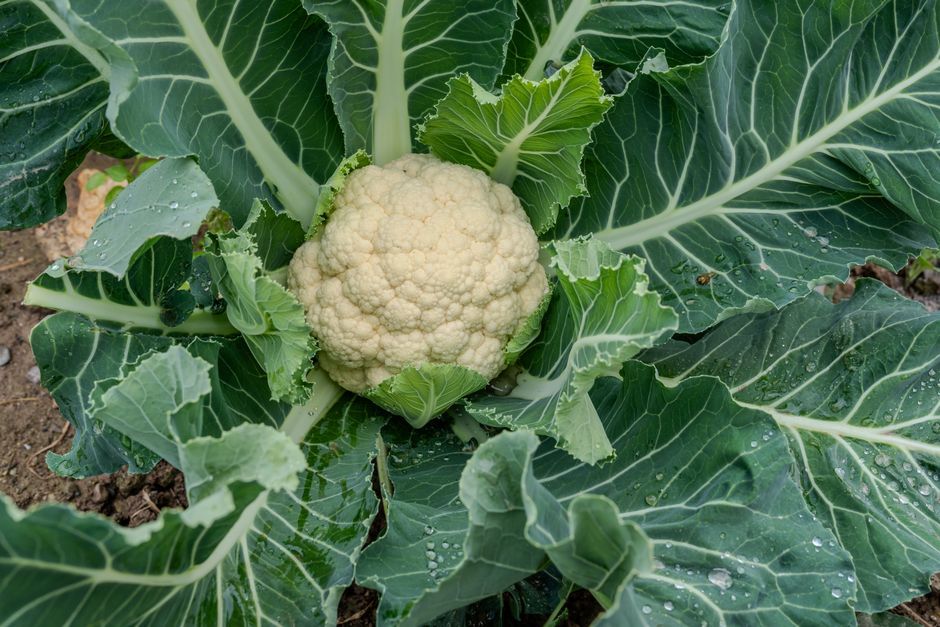
Stock photo for illustration only, not from the actual event
Shoppers could soon encounter smaller, irregularly shaped, or uniquely colored vegetables in retail aisles over the coming weeks, with producers assuring consumers that the nutritional value and taste remain uncompromised.
Cauliflower has emerged as one of the hardest-hit crops due to its high water demands. Typically protected from direct sunlight by surrounding foliage, this year's intense sunlight has penetrated the leaves and turned the curds a yellow hue.
Emilie Vanpoperingh, co-founder of surplus produce subscription service Oddbox, noted that the discoloration is purely a cosmetic defect with no impact on flavor. The company recently took in 6,000 cauliflower heads that were rejected by standard retail channels due to their darker color.
Growers also highlight that depleted water reserves are slowing the growth of brassicas, including broccoli and cauliflower, leading to reduced overall yields. Meanwhile, greenhouse-grown cucumbers are experiencing extreme heat stress, causing them to curl backward into spiral shapes.
The agricultural strain witnessed across the UK highlights the compounding risks of climate change on food security and supply chains. As weather anomalies become the new normal, adapting farming infrastructures and shifting consumer acceptance toward imperfect produce will be critical steps in minimizing food waste and sustaining local farming communities.
John Harper, a farmer in Worcestershire who supplies major supermarkets, reported discarding higher volumes of pak choi than usual due to damage from flea beetles, which thrive in hot, dry environments.
"Trying to find people that will accept potatoes like that is very difficult. So that ultimately means a lot of wastage for us."
Lucy Munns
Lucy Munns, a Cambridgeshire potato grower, explained that elevated temperatures stunt root vegetable growth, causing tubers to develop irregular knobs when cooler weather eventually follows. Despite the unconventional appearance and peeling challenges, these potatoes remain completely edible.
While major supermarkets including Sainsbury's, Tesco, Morrisons, and Waitrose already operate dedicated imperfect produce lines, domestic shortages mean retailers must also increase food imports from overseas, balancing support for local farmers with consumer availability.
As climate change drives more frequent summer heatwaves, these challenging growing conditions threaten to transition from a rare anomaly into a recurring preview of the future for British agriculture.
Source: BBC Business
Found something wrong in this article? Report an issue with this article
Comments
Leave a Comment