

UK Set for Best Solar Eclipse Since 1999 as Moon Blocks Sun Across Europe
The Moon will cover up to 96% of the Sun across the UK in its fullest solar eclipse since 1999, while parts of Europe witness a total eclipse.
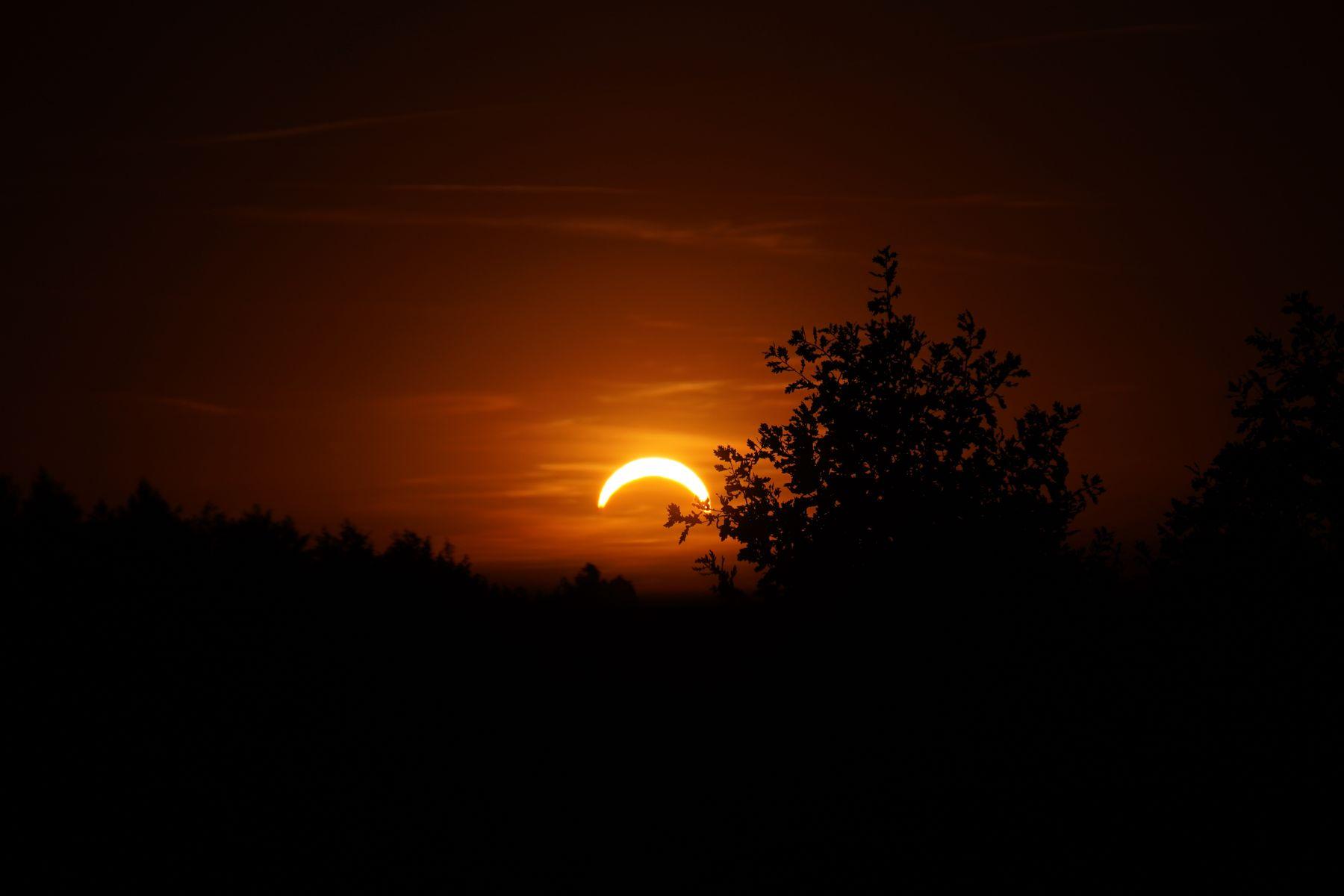
Stock photo for illustration only, not from the actual event
- The UK will experience its fullest solar eclipse since 1999 and the best for 50 years.
- The Moon will obscure 94% to 96% of the Sun in Devon, Cornwall, and parts of Wales.
- Total eclipses will be visible in northern Spain, Russia, Greenland, Iceland, and Portugal.
- Eclipse chasers have rushed to buy specialist glasses, causing stocks to run low.
The UK is bracing for its most substantial solar eclipse since 1999, marking the finest astronomical spectacle the country will witness for the next 50 years. Occurring on Wednesday evening, the event will be visible across the entire UK, with the Moon blocking up to 96% of the Sun's disc depending on the exact viewing location.
Other regions across the globe will experience a total eclipse, including northern Spain where hundreds of thousands of people have traveled for the event. The total eclipse will also be visible in Russia, Greenland, Iceland, and Portugal.
In the UK, more than 90% of the Sun will be obscured at the peak, which falls between 18:58 and 19:15 BST. Regions such as Devon, Cornwall, and western Pembrokeshire in Wales will experience the fullest eclipse at 94% to 96% coverage. Meanwhile, the rest of Wales, Northern Ireland, parts of the West Midlands and South West, and western Scotland can expect 92% to 94% solar coverage.
As enthusiasm builds, people across the UK have been scrambling for specialist eclipse glasses. A bakery staff member in central London reported selling about 100 pairs on Tuesday morning alone as stocks dwindled.
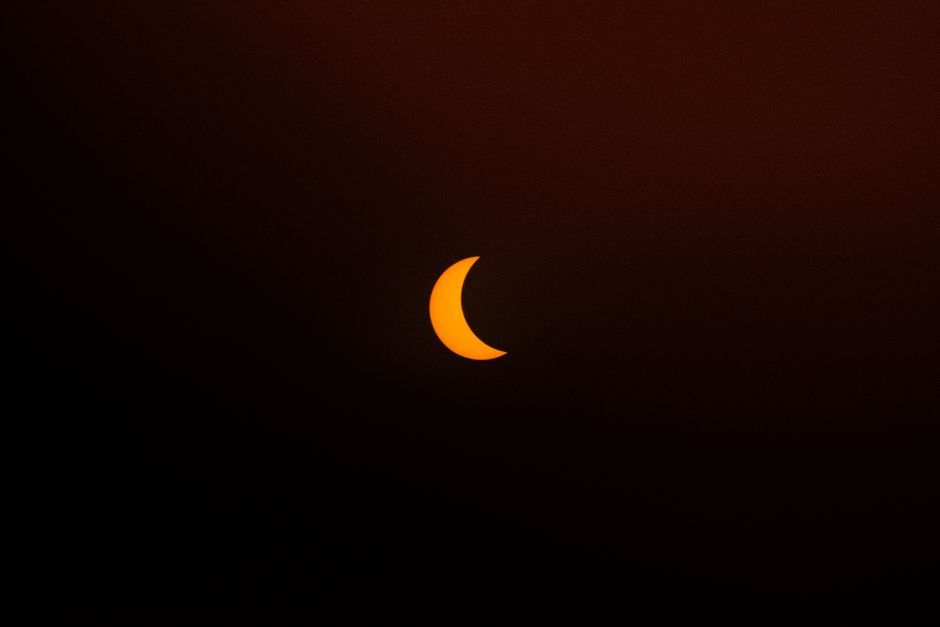
Stock photo for illustration only, not from the actual event
Solar eclipses occur when the Earth, Moon, and Sun align, blocking our star's light. While total solar eclipses happen somewhere on Earth roughly every 18 months, witnessing a high-coverage partial eclipse or a total eclipse locally is rare. Specialized eye protection is crucial, as looking directly at the Sun can cause permanent eye damage, making certified filters or projection methods essential for safe viewing.
Weather conditions will present a mixed picture for viewers. While much of the UK enjoys clear skies, areas of cloud may drift across north Wales, northern England, Scotland, and Northern Ireland between 18:00 and 19:00, with potential rain outbreaks in western Scotland and northwestern Northern Ireland.
In Spain, clear skies will grace total eclipse viewers in Bilbao, Valencia, and Palma, Mallorca, while Barcelona and Madrid will experience over 99% coverage. The finance ministry expects half a million visitors in northern Spain for the spectacle.
"We came from very far to see it in totality. I have seen [it] once and it was beautiful and amazing - I am so happy to have the chance to see one again."
Julie
Martin Griffith, director of the Brecon Beacons Observatory in Wales, described the event as one of nature's great phenomena. The next time the Moon will obscure as much of the Sun over the British Isles will be in 2081, with the next total solar eclipse in the UK scheduled for 2090.
Experts remind the public that viewing the eclipse without proper eye protection—such as certified solar glasses or a pinhole projector made with card or kitchen colanders—can cause permanent eye damage, as sunglasses and regular filters are insufficient.
Source: BBC Science & Environment
Found something wrong in this article? Report an issue with this article
Comments
Leave a Comment