

The Origin of Storm Chan-hom, the Lao-Named Tropical System Striking Japan
Discover the background of storm Chan-hom, proposed by Laos, and its historic landfall in Ibaraki prefecture since 1951 records began.
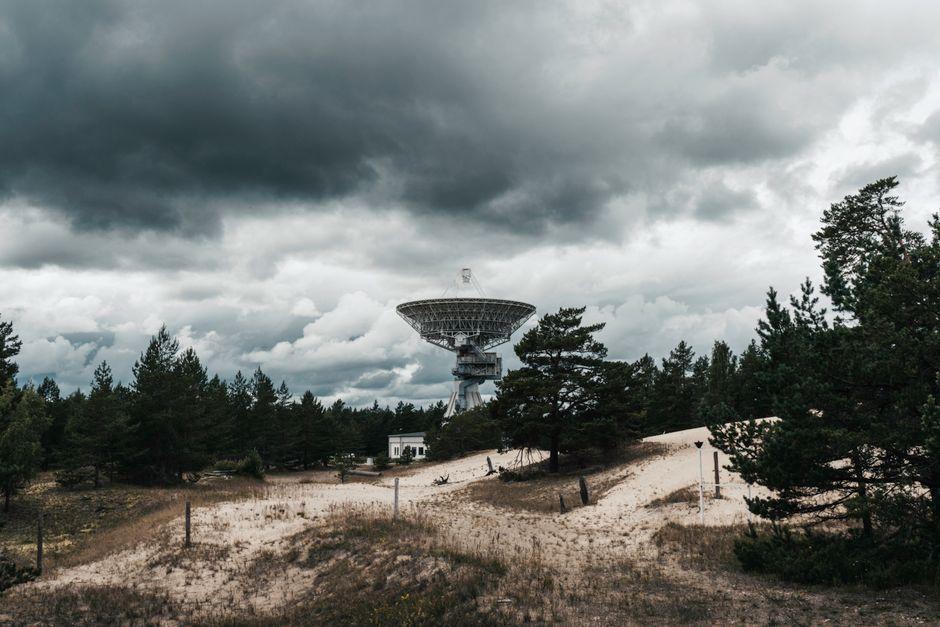
Stock photo for illustration only, not from the actual event
- Chan-hom was proposed by Laos, meaning a fragrant wood species similar to sandalwood.
- The tropical storm made landfall in Ibaraki, Japan, for the first time since records began in 1951.
- Gale-force winds caused power outages in over 3,000 households across Ibaraki and Tochigi.
- Typhoon naming is managed by 14 regional members under the WMO Typhoon Committee.
Whenever a new tropical storm forms, its assigned moniker instantly captures public attention. A recent example is storm Chan-hom, a tropical system bearing a name that sounds remarkably familiar to Thai speakers, prompting widespread curiosity regarding its background and exact meaning.
In reality, the name Chan-hom was officially submitted by the Lao People's Democratic Republic. In the Lao language, the term refers to a specific tree known for its fragrant wood, bearing close similarities to sandalwood. Utilizing local flora and living organisms as storm names highlights a unique cultural connection to nature within the region. Chan-hom has been included in the rotating list and utilized to identify tropical cyclones across multiple cycles.
The naming convention for tropical cyclones developing over the northwestern Pacific Ocean and the upper South China Sea is regulated by the Typhoon Committee of the World Meteorological Organization (WMO). The system requires 14 regional member countries and territories, including Thailand and Laos, to propose 10 names each, totaling 140 names divided into five distinct groups. These names rotate sequentially based on the alphabetical order of the proposing nations, ensuring that meteorological communication and severe weather warnings remain swift and unambiguous.

Stock photo for illustration only, not from the actual event
Although the storm's name originated from Laos, its physical impact struck Japan. According to the latest updates from the Japan Meteorological Agency (JMA), storm Chan-hom made landfall directly in Ibaraki prefecture, marking the very first recorded landfall in the prefecture since official record-keeping commenced in 1951.
The storm's ferocious influence triggered strong gusty winds across Tokyo, resulting in uprooted trees and leaving more than 3,000 residences in Ibaraki and Tochigi prefectures without electricity. The severe weather also disrupted travel plans for citizens during the long Obon holiday period before the system eventually lost intensity and tracked westward.
The rotational naming system involving 140 names contributed by 14 member nations effectively eliminates confusion when multiple storms develop simultaneously while fostering cross-border meteorological cooperation. The recent impact of storm Chan-hom in Japan during the Obon holiday underscores how vital real-time weather monitoring is for international travelers, especially as shifting global climate patterns increase the volatility of storm trajectories and intensities.
Source: Thairath Lifestyle
Found something wrong in this article? Report an issue with this article
Comments
Leave a Comment