

FAA Proposes Waiving 13 Environmental Laws to Speed Up Airport-to-Spaceport Conversions
The Federal Aviation Administration has introduced a proposal allowing qualifying spaceport projects to bypass environmental reviews under 13 federal laws, drawing praise from the industry and fierce pushback from environmentalists.
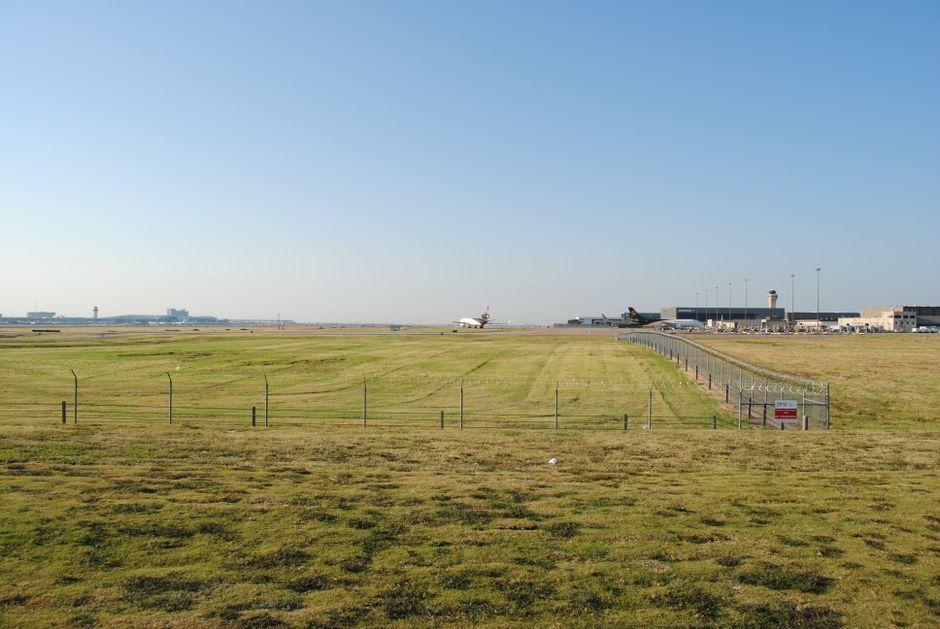
Stock photo for illustration only, not from the actual event
- The FAA proposal lets space-related airport projects skip environmental reviews under 13 federal laws.
- The initiative aims to accelerate licensing processes that currently can take up to six years.
- Airports such as Midland International and Ellington are among those holding or pursuing spaceport licenses.
- Environmental critics strongly oppose the blanket waivers, citing risks to sensitive wildlife and habitats.
The Federal Aviation Administration announced an initiative in late July aimed at streamlining its space licensing framework. The package includes various measures designed to accelerate approvals for rocket launches, re-entries, and the construction of new spaceports across the country.
Normally, an airport seeking expansion must undergo rigorous evaluations by the FAA to ensure full compliance with environmental requirements. Under the newly proposed framework, developments directly tied to commercial space activities would skip this crucial step entirely.
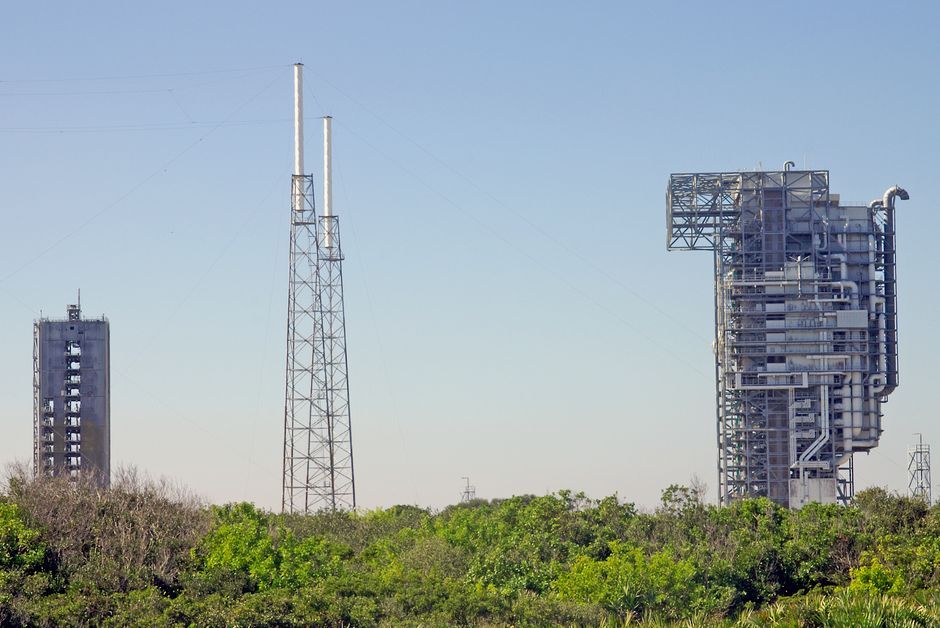
Stock photo for illustration only, not from the actual event
Among the federal statutes that could be bypassed for qualifying projects are the National Environmental Policy Act (NEPA), the Endangered Species Act, the Clean Water Act, and the Clean Air Act, which traditionally serve as vital safeguards for natural habitats.
This push to fast-track spaceport development highlights how regulatory frameworks are attempting to adapt to the booming commercial space and aerospace sector. Yet, bypassing foundational environmental laws introduces significant tension between technological advancement and ecological preservation, especially since many existing airfields are situated near vulnerable wetlands and refuges.
A handful of airports and aerospace test facilities already possess spaceport licenses, including Midland International, Ellington Airport, Colorado Air & Space Port, Space Coast Regional, Cecil, and Paso Robles, illustrating how regional hubs are increasingly looking to space as an economic catalyst.
Source: Skift
Found something wrong in this article? Report an issue with this article
Comments
Leave a Comment