

A Single Fallen Power Line Exposes Major AI Data Center Issue: Power Surges on the US Grid
A power line failure outside Washington, D.C., reveals the fragility of the transmission system as AI data centers totaling over 3 gigawatts cut power simultaneously, triggering a voltage surge.
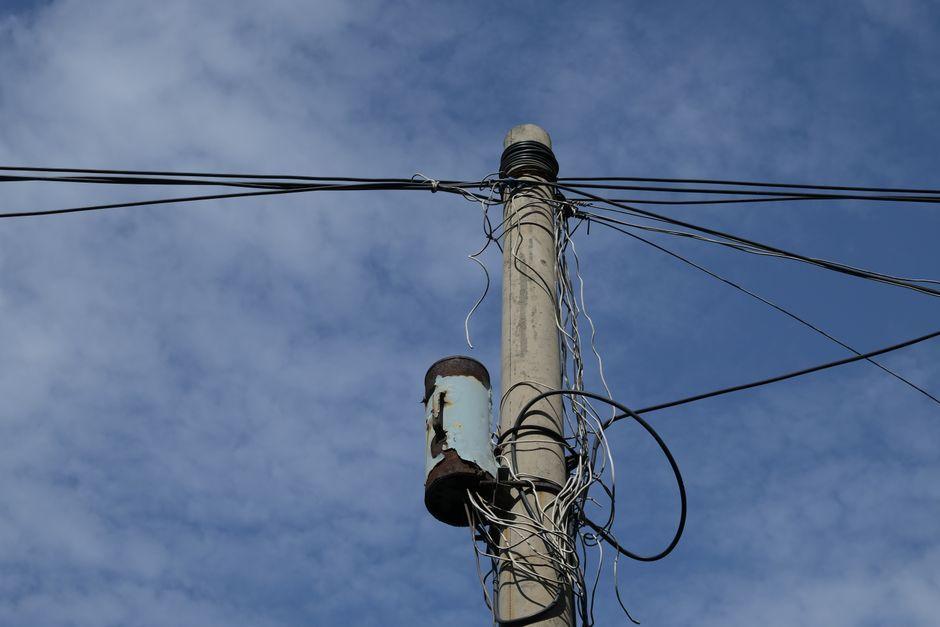
Stock photo for illustration only, not from the actual event
- A downed power line near Washington, D.C., caused data centers totaling 3.1 gigawatts to cut their power draw simultaneously.
- Voltage in the PJM system spiked from northern Virginia to Chicago, causing lights to flicker.
- This incident was twice as large as the one in 2024 and could worsen without fixes to backup power systems.
A single power line failure just outside Washington, D.C., this week has become a major catalyst exposing the massive problems that artificial intelligence (AI) data centers pose to the electrical grid. Normally, the electrical grid should take only a few seconds to recover from such an event, but this incident lasted more than 10 minutes because large data centers totaling over 3 gigawatts stopped drawing electricity almost simultaneously.
Data from Ting Labs, a startup that operates a network of IoT sensors plugged into consumer electrical outlets, indicated that the event caused voltage across the entire PJM grid to spike from northern Virginia all the way to Chicago. Although it did not result in a widespread blackout, it caused lightbulbs to flicker across the entire region. This event highlights the impact that data centers have on the grid, which experts predict will happen more frequently in the future because northern Virginia—managed by PJM—is home to the highest concentration of data centers in the world.
Ricardo de Azevedo, Chief Technology Officer (CTO) of ON.Energy, told TechCrunch that this incident acts like a canary in the coal mine, adding that such events involving massive loads like data centers are happening more and more often. This incident also shares similarities with an event that occurred two years ago on the PJM grid and could serve as an early warning for a more severe event if data centers continue to be built without proper backup systems to handle power supply failures.
The electrical grid must maintain a perfect balance between electricity generation and consumption at all times. If an imbalance occurs, voltage will drop or surge until automated protection systems kick in and disconnect the system. The fact that numerous data centers dropped their loads from the system simultaneously turned a "brownout" problem into an "overvoltage" problem in the blink of an eye. In the future, as the proportion of energy consumed by data centers continues to grow, managing loads in this manner will become one of the most challenging engineering problems of our era.
Management of the PJM grid—which covers an area from New Jersey to Illinois and serves over 67 million customers—revealed that when the power line failed, the system triggered data centers to switch to backup power, causing a 3.1-gigawatt load to vanish from the system in about 30 seconds. Even though the grid attempted to recover, other loads progressively dropped offline as well, leaving a peak surplus of 3.49 gigawatts lingering on the PJM grid and requiring another 11 minutes for the system to stabilize. According to Reuters, the disconnected data centers accounted for roughly 3% of total electricity demand on PJM at that time.

Found something wrong in this article? Report an issue with this article
Comments
Leave a Comment