

Saving Nigeria's Vultures: How the 'Vulture King' is Fighting Extinction
Amid a sharp decline in African vulture populations, a Nigerian community shrine and local conservationists are turning the tide.
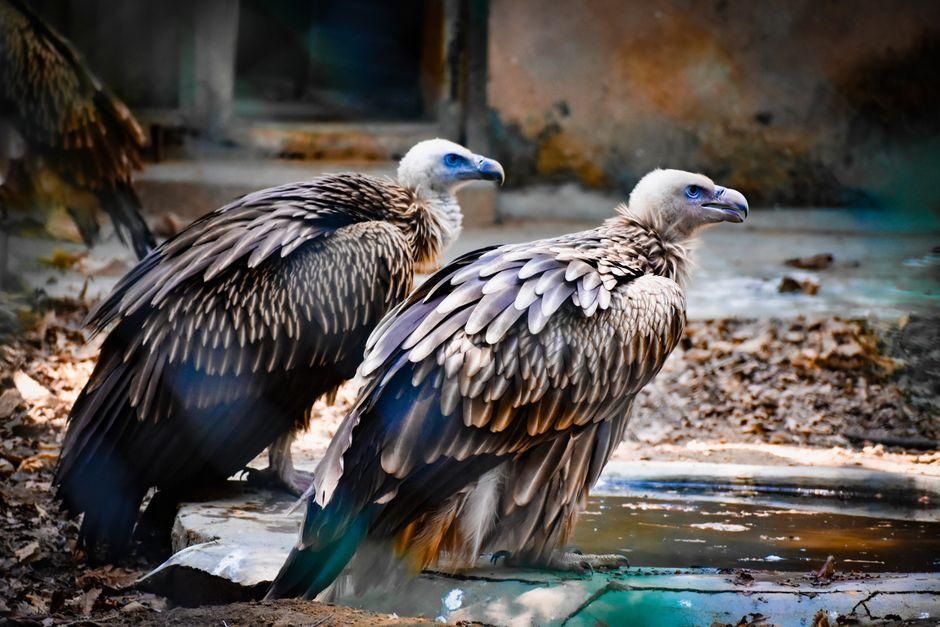
Stock photo for illustration only, not from the actual event
- African vulture populations have dropped by 80% to 97% over 50 years
- Traditional beliefs and belief-based poaching drive the crisis
- Vulture prices in Nigeria have soared up to 200,000 naira per bird
- Awka-Etiti locals and NCF boosted local vulture counts from 20 to over 160
When vultures vanished from the skies across many West African cities, they were largely unmissed by the public, as these birds are heavily associated with death and decay. Yet across the continent, their disappearance is becoming impossible to ignore, as conservationists warn that hunting linked to traditional beliefs and spiritual practices continues to threaten several vulture species with near extinction, stripping ecosystems of a vital natural defence against disease outbreaks.
In the south-eastern Nigerian community of Awka-Etiti, which is largely Christian, residents still maintain traditional practices centred around a sacred forest and a shrine dedicated to the deity Nguma. A local resident known by the community as the Vulture King explains that locals occasionally offer fresh animal sacrifices at the shrine, which attract the birds. Their presence serves as a good omen, signalling to residents that the deity has accepted their offerings and heard their appeals.
"People fear the environment where the shrine is. No evil will ever happen here. So, nobody fights vultures that perch here,"
Chukwuemeka Igwe
While many people find vultures unattractive, scientists emphasize that they provide one of nature's most critical cleaning services. Vultures can consume dead carcasses within hours, preventing them from becoming breeding grounds for hazardous bacteria. Their powerful stomach acids allow them to safely process infected tissue, halting the spread of deadly pathogens such as anthrax and rabies. Stella Egbe, a conservation biologist with the Nigerian Conservation Foundation (NCF), warns that regions experiencing a total collapse of vulture populations face a rising tide of zoonotic diseases.
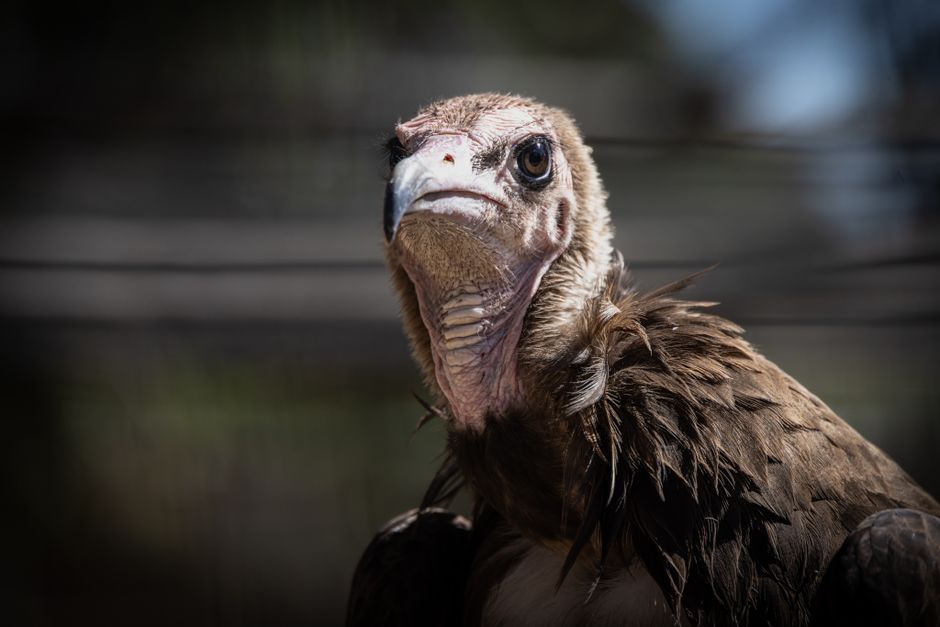
Stock photo for illustration only, not from the actual event
The ecological role of vultures goes far beyond simple scavenging; they act as a biological firewall preventing the amplification of dangerous pathogens in tropical ecosystems. When vulture populations collapse, scavenger gaps are often filled by opportunistic mammalian vectors like rats and feral dogs, which are far more likely to transmit diseases directly to human settlements. Community-led conservation models, therefore, provide a critical frontline defence where national enforcement falls short.
Rapid urban growth and habitat loss have destroyed countless tall nesting trees across Africa. However, habitat loss is far from the sole threat. According to BirdLife International, poisoning accounts for an estimated 60% of vulture deaths in Africa. Furthermore, experts report that the use of vultures and their body parts in traditional medicine and Vodun practices has emerged as a major driver of their decline. Adult vulture prices in Nigeria have surged from 25,000 to 30,000 naira ($18 to $22) up to 200,000 naira ($145) per bird, while nests and eggs are increasingly targeted by poachers.
According to IUCN Red List authorities, seven African vulture species are currently classified as Endangered or Critically Endangered, with populations falling by 80% to 97% over fifty years. In a stark example of belief-driven slaughter, researchers noted that over 2,000 hooded vultures were found dead in Guinea-Bissau in January 2020, many with their heads removed.
To combat this regional crisis, 50-something Chukwuemeka Igwe has spent the last six years partnering with the NCF. He travels through markets and public transport to educate the public that vultures are beneficial to human life. Through community mobilization, local bylaws, and the help of security teams protecting the birds from outsiders, local volunteers have successfully recorded over 160 vultures, a remarkable recovery from only about 20 counted in 2017. Meanwhile, Nigerian Customs Service spokesman Abdullahi Maiwada insists that authorities are making every effort to suppress the illegal smuggling of wildlife and protected species across borders.
Source: BBC Science & Environment
Found something wrong in this article? Report an issue with this article
Comments
Leave a Comment