

Temperatures to soar to 38C as amber extreme heat warning in effect
The UK experiences its fifth widespread heatwave of the year with amber weather and health alerts in place across England.
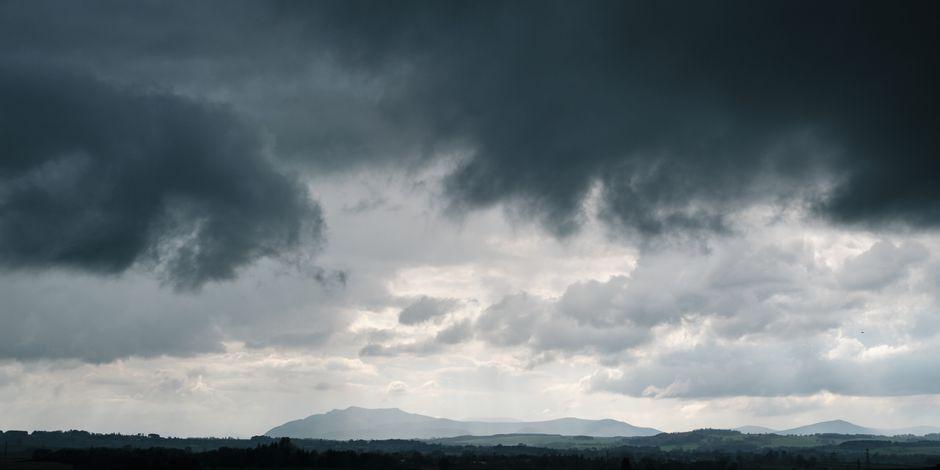
Stock photo for illustration only, not from the actual event
- The UK faces its fifth widespread heatwave with temperatures peaking at 38C
- Amber heat warnings cover large parts of England including London and the Midlands
- Health authorities warn of significant risks to vulnerable populations and care services
- Severe heat brings potential disruptions to power supplies and transportation
A rare amber weather warning for extreme heat is active across a vast area of the United Kingdom on Thursday, with temperatures projected to climb as high as 38C, equivalent to 100F. This weather event marks the culmination of the UK's fifth widespread heatwave of the year, bringing mid-30s Celsius temperatures to the majority of the warning zones.
Alongside the meteorological warnings, amber heat health alerts issued by the UK Health Security Agency remain in force across the entirety of England until 21:00 BST on Friday. These directives highlight potential disruptions to health and social care services, pointing specifically to an elevated risk of mortality among individuals aged 65 and over, as well as those with preexisting medical conditions.
The intense heat carries severe secondary risks, including potential power outages, delays in rail and air travel, and serious medical conditions such as dehydration and heat exhaustion. Furthermore, rising humidity levels are contributing to tropical nights where temperatures fail to dip below 20C, compounding physiological stress.

Stock photo for illustration only, not from the actual event
The frequency and intensity of these heatwaves highlight the accelerating impacts of global climate change on European weather systems. Experiencing multiple high-temperature records within a single season underscores the urgent need for infrastructure resilience, particularly in urban areas unaccustomed to sustained extreme heat.
Fortunately, the current spell of extreme weather is anticipated to be brief, lasting a maximum of three days. Temperatures are forecasted to decline by the weekend, though remaining near or slightly above average for mid-August. According to the Met Office, if monthly temperatures stay consistent, the summer of 2026 is on track to surpass 2025 as the warmest on record.
Source: BBC Science & Environment
Found something wrong in this article? Report an issue with this article
Comments
Leave a Comment