

Front-End Developer Builds AI Video Tool, Lands First Customer in 3 Months
The story behind building Froging AI with Next.js and transitioning from a hobby to a SaaS business
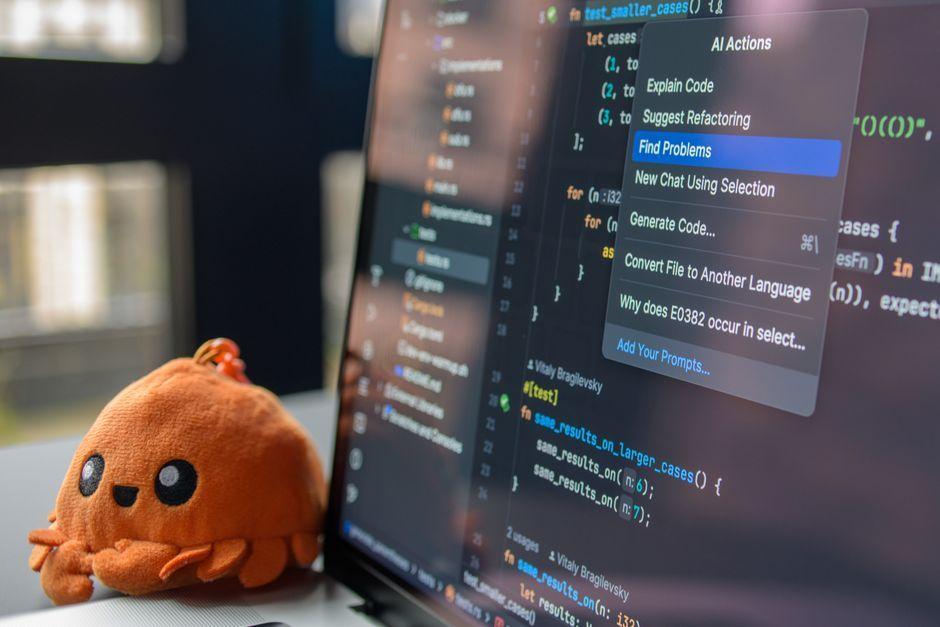
Stock photo for illustration only, not from the actual event
- Shenzhen-based front-end developer builds Froging AI using Next.js
- Automated routing system selects AI providers for cost-efficiency and speed
- Earns first revenue of $4.99 USD through the Creem platform
A front-end software developer working full-time at a bank in Shenzhen spent his quiet nights developing a project called Froging AI, an artificial intelligence video generation tool that transforms photos and text into video clips in just a matter of minutes. After spending his initial time learning about AI video APIs and building the system, he finally managed to close his first customer within a span of just three months.
As for the underlying technology chosen for development, the project owner decided to use Next.js API routes due to his familiarity with JavaScript and a desire to avoid the hassle of learning a new deployment system. The system's main features are divided into image-to-video, where users can upload an image along with a prompt to generate a short clip, and scene description text-to-video, eliminating the need for cameras or editing software.
Illustration image from stock photo library, not from actual events
Froging AI's internal system automatically routes requests to multiple providers based on the readiness and cost of each model, such as using open-source models like Wan-2.1 via Replicate for low-cost experimentation, up to utilizing Minimax and 海螺AI for high-quality results. Users do not need to choose the model themselves; the system automatically adjusts for speed and quality.
The decision to use Next.js instead of Python demonstrates the mindset of choosing familiar tools to minimize learning curves and ship products as fast as possible, which is a crucial strategy for solo developers (indie hackers) with limited time. Furthermore, implementing the payment system early on quickly shifted the perspective from a casual side project into a serious business model.
A major turning point occurred on July 13 when he received a payment notification email for $4.99 USD from the Creem platform for the purchase of a Starter package. This user came from organic search traffic through blog writing and submitting links to various AI directories, without any paid advertising. After facing the issue of burning budget on Google Ads with no conversions, he pivoted to focusing on long-term SEO instead.
"Before that, I was optimizing SEO, tweaking landing page colors, and watching Google Analytics like a hawk. After that, I realized: the only metric that matters is whether someone is willing to pay."
Jaspersmith
A key lesson from developing this project was narrowing the product scope. Instead of his original plan to build an all-in-one suite of AI creative tools—including image generation, video creation, and editing tools—he decided to trim it down to just the video function. This allowed him to release the product to market much faster rather than waiting for the entire vision to be perfect, which would have taken a much longer coding time.
Source: Dev.to
Found something wrong in this article? Report an issue with this article
Comments
Leave a Comment