

Water bills set to rise for many after firms permitted extra funding
Customers across England and Wales face additional water bill increases as regulators approve extra funding to tackle infrastructure and environmental pressures.
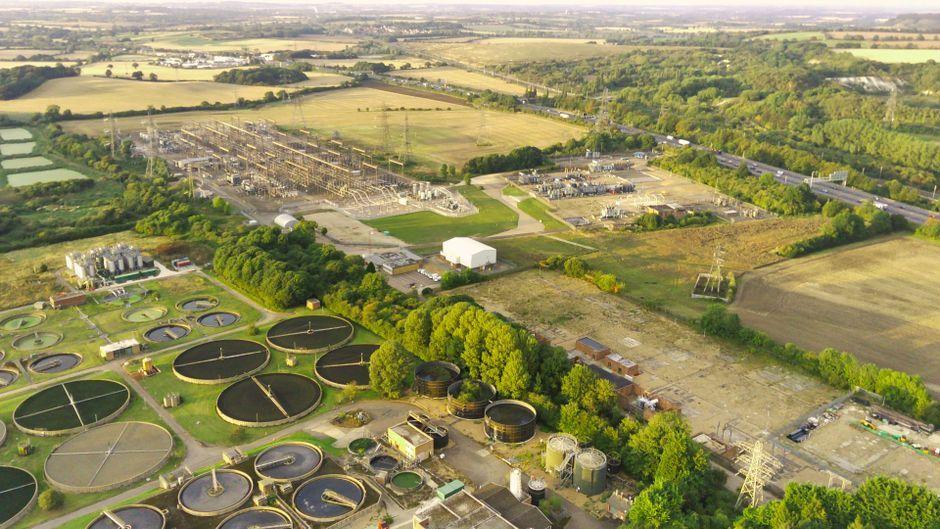
Stock photo for illustration only, not from the actual event
- Ofwat has provisionally approved an extra £3.4bn in funding for water firms
- Customers of five companies face upcoming bill hikes over the next two years
- Campaigners criticize the decision amid ongoing leaks and sewage pollution
- The ruling remains provisional ahead of a final public consultation in December
Residents across the UK are facing impending increases in their water bills after the water services regulation authority, Ofwat, gave the green light for 13 water companies in England and Wales to secure an extra 3.4 billion pounds in funding over the coming years. This additional capital aims to address mounting pressures on aging infrastructure and environmental protection.
Nearly one-third of the provisionally approved funds has been earmarked specifically for maintaining standard water services. The remainder will be deployed to meet surging water demand driven by new housing developments and data centers, as well as tackling hazardous pollutants commonly known as forever chemicals.
Regarding specific impacts, customers served by five major providers—Severn Trent Water, Southern Water, Thames Water, Wessex Water, and South East Water—will encounter additional bill increases over the next two years, stacking on top of hikes already agreed upon in 2024. These new increments will vary by firm; for instance, Southern Water will add 43 pounds to bills next year, whereas South Eastern will charge only 1 pound extra in 2029, contingent on final approval later this year.
Meanwhile, the remaining eight identified water companies—Anglian Water, Dwr Cymru Welsh Water, Hafren Dyfrdwy, Northumbrian Water, South West Water, United Utilities, Yorkshire Water, and SES Water—will recover their extra expenditures through customer bills following the year 2030. Ofwat noted that water firms had initially submitted requests totaling 4.3 billion pounds, though certain proposed expenses were rejected.

Stock photo for illustration only, not from the actual event
This regulatory decision highlights the deep-seated structural challenges facing the UK utility sector, which is increasingly strained by climate change-induced weather extremes like severe storms and heatwaves that degrade pipes and treatment facilities. Furthermore, the rapid expansion of modern digital infrastructure, such as data centers, places unprecedented demands on regional water supplies. However, the core tension lies in bridging the gap between corporate infrastructure investment and consumer trust, as households demand absolute accountability over persistent leakage issues and raw sewage discharges.
Public frustration has surged in response to the announcement, fueled by backdrop experiences of supply interruptions lasting days and natural water bodies deemed too polluted for safe recreational use. Amy Fairman from the campaign group River Action publicly condemned the move as insulting, arguing that water companies have neglected sufficient investment over the past thirty years. Kierra Box of Friends of the Earth echoed these sentiments, stating that rivers and seas remain choked with sewage despite previous price hikes.
"Ofwat waving through yet more water bill hikes is an insult."
Amy Fairman
Conversely, water firms maintain that these escalating issues can only be resolved by scaling up spending to replace aging pipes, construct modern treatment plants, and build new reservoirs. Helen Campbell, executive director for delivery at Ofwat, emphasized that the regulator will closely track company performance to guarantee that expected customer and environmental improvements are delivered. Because this decision is currently provisional, a public consultation period is underway ahead of a definitive ruling expected in December.
Source: BBC Business
Found something wrong in this article? Report an issue with this article
Comments
Leave a Comment