

Eye Surgeon Reports Fewer Patients Seeking Treatment After UK Solar Eclipse
An eye specialist reveals that fewer people sought treatment for eye damage following the recent solar eclipse compared to the 1999 event.
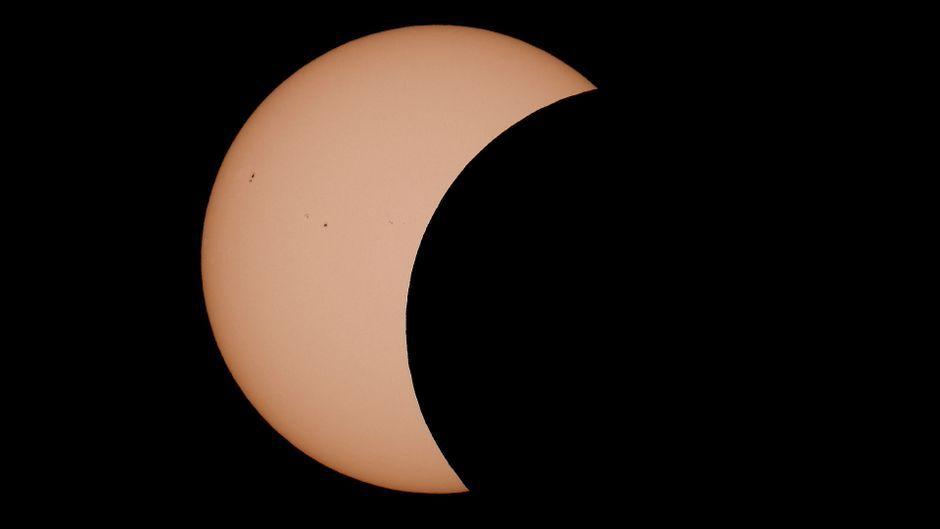
Stock photo for illustration only, not from the actual event
- Fewer patients sought eye treatment after the recent eclipse than the 1999 event.
- Millions across the UK witnessed the most significant solar eclipse in 27 years.
- The Moon covered more than 90% of the Sun during Wednesday's phenomenon.
- Eye damage symptoms include grey or yellow spots in the centre of vision.
Following a remarkable celestial event that drew millions of spectators across the UK on Wednesday, experts have shared encouraging observations regarding public eye health. The astronomical phenomenon marked the most significant solar eclipse in the region for 27 years, with the Moon obscuring more than 90% of the Sun.
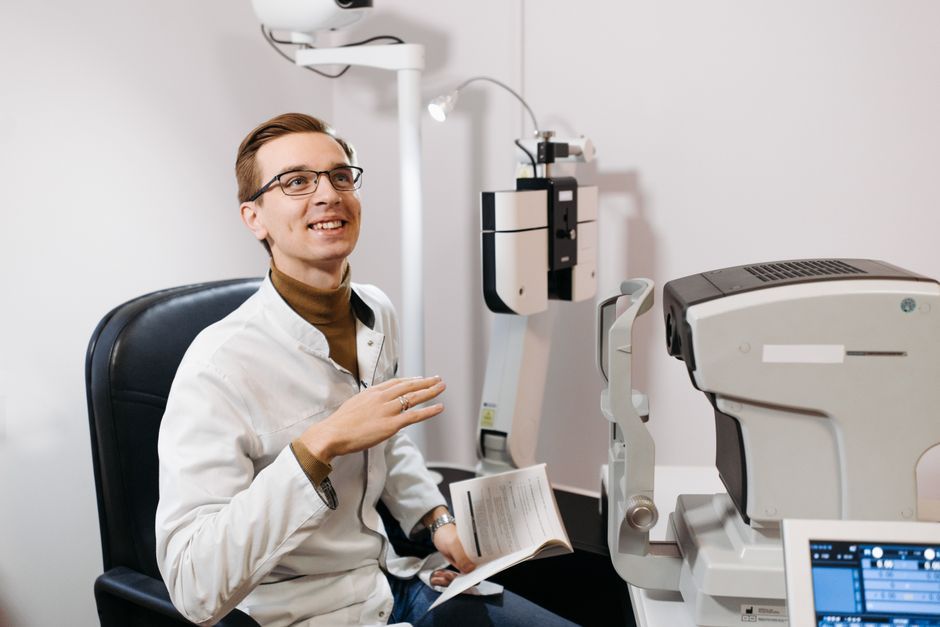
Stock photo for illustration only, not from the actual event
Despite the massive scale of the viewing public, an eye surgeon reported that a notably lower number of individuals have sought medical treatment for eye injuries compared to the aftermath of the UK's last total solar eclipse back in 1999, indicating improved public awareness regarding eye safety during such events.
Medical professionals have also outlined the specific warning signs to watch out for if individuals experienced unprotected exposure. Symptoms of solar retinopathy can include noticing a distinct spot directly in the centre of one's vision, which may present itself in a grey or yellow hue.
Solar retinopathy occurs when high-intensity light damages the light-sensitive cells in the macula, the part of the retina responsible for sharp, central vision. Because the retina lacks pain receptors, individuals do not feel the damage as it happens, which explains why symptoms often take time to manifest clearly.
Patients should remain vigilant as these symptoms do not always appear instantaneously. Medical experts note that while some individuals might notice vision changes within a matter of hours, others may take several days for the full symptoms to develop.
Source: BBC Health
Found something wrong in this article? Report an issue with this article
Comments
Leave a Comment