

Eclipse warning: The key signs of solar eye damage
Eye experts urge the public to watch out for vision impairment symptoms following Wednesday's solar eclipse in the UK.
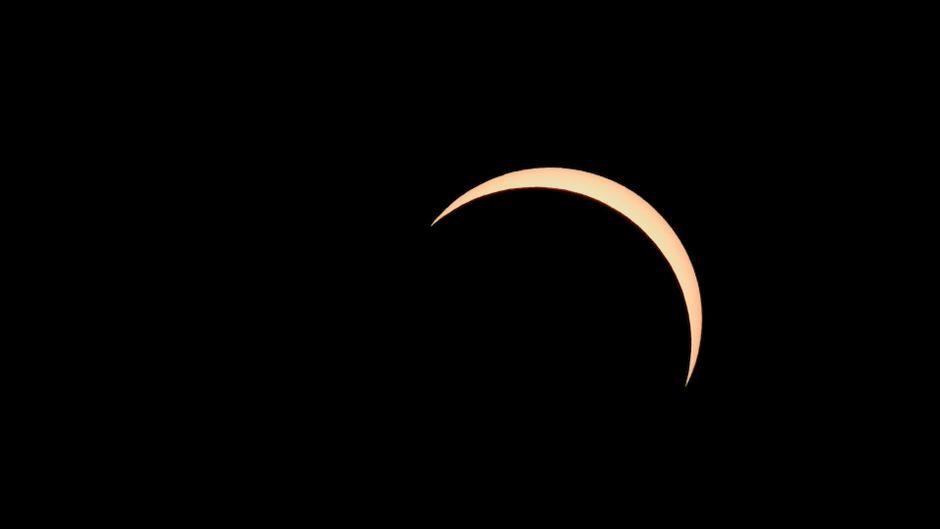
Stock photo for illustration only, not from the actual event
- Eye health specialists warn people to monitor for any vision changes after viewing Wednesday's eclipse.
- Common symptoms include blurred vision, central dark spots, and heightened light sensitivity.
- Roughly 70 people suffered sight damage following the previous total solar eclipse visible in the UK in 1999.
- Experts advise seeking immediate medical evaluation if solar retinopathy is suspected.
Medical specialists are urging individuals to remain vigilant for any indications of vision impairment after people gazed at the sun during Wednesday's celestial event, as intense solar radiation can severely harm delicate eye structures without proper shielding.
Warning signs of potential injury encompass blurry vision, a central blind or dark spot in the field of view, and heightened sensitivity to illumination. A similar hazard materialized back in 1999 during the prior total solar eclipse witnessed across the UK, leaving around 70 individuals with impaired eyesight.
Stock photo for illustration only, not from the actual event
A significant portion of those affected had spent under a minute observing the spectacle without realizing they were harming their eyes. The core danger stems from staring at an eclipse unprotected, which directly harms the retina situated at the back of the eye, particularly the cells responsible for sharp central vision.
Even when partially obscured by the moon, the sun remains intensely bright. While humans naturally wince and look away from extreme daylight, that protective instinct often fails during the dimming light of an eclipse, allowing ultraviolet radiation and bright light to cause a condition known as solar retinopathy.
Solar retinopathy occurs when high-intensity light and thermal energy burn the macular tissue on the retina. Because the retina lacks pain receptors, individuals cannot feel the injury occurring in real-time, meaning symptoms typically manifest hours later. Depending on the severity of the exposure, this damage can sometimes result in permanent central vision loss.
Prior to the event, specialists consistently emphasized that only certified, specially designed solar eclipse glasses provide adequate defense, noting that standard sunglasses or alternative household items fall short of preventing harm.
"It'll be a grey or a yellow or a dark spot right in the very centre of your vision."
Alexander Ionides
Alexander Ionides, a consultant eye surgeon at Moorfields Eye Hospital in London, explained that if someone harms their eyesight, symptoms typically manifest within a few hours, materializing as a grey, yellow, or dark anomaly directly in the middle of their sightline.
Ionides stresses that anyone suspecting visual harm should pursue urgent medical assistance. Hospitals generally maintain on-call eye doctors who can execute retinal scans to detect solar retinopathy and arrange proper referrals to local eye units for specialized treatment.
Source: BBC Health
Found something wrong in this article? Report an issue with this article
Comments
Leave a Comment