

Romania Shuts Only Nuclear Plant as Heat Causes Danube Level Drop
Prolonged European heatwaves cause the Danube River water levels to plummet, forcing Romania to halt operations at its sole nuclear power station.
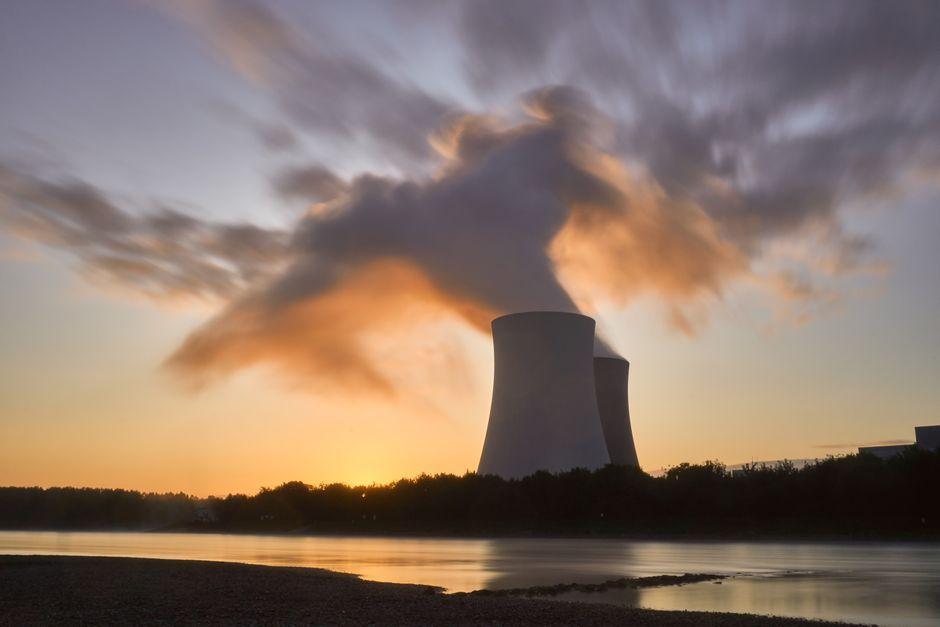
Stock photo for illustration only, not from the actual event
- Romania's sole nuclear power plant Cernavodă has been shut down due to historically low Danube River levels.
- The second 706-megawatt nuclear reactor was disconnected from the grid just before midday on Thursday.
- Plant officials estimate operations will not resume within the next 10 days.
- Shortfalls in electricity are being managed via solar and wind during the day and imported power during evenings.
Extreme heatwaves sweeping across Europe have triggered a major energy and environmental crisis, forcing Romania to shut down its only nuclear power station. The Cernavodă facility, which relies on the Danube River for cooling, had to halt operations as water levels plunged to historic lows.
The plant features two reactors that account for approximately 20 percent of Romania's total electricity supply. The second 706-megawatt reactor was disconnected from the Romanian power grid just prior to midday on Thursday, following the earlier shutdown of the first reactor back in July.
Earlier in the week, authorities attempted mitigation efforts by sinking barges loaded with rocks into the riverbed to artificially boost water flow toward the plant's cooling systems. However, these measures failed to reverse the trend as Europe's second-longest river hit 30-year low water levels across multiple countries.
"We do not foresee a restart within the next 10 days."
Romeo Urjan, Plant Director
Stock photo for illustration only, not from the actual event
This shutdown underscores the vulnerability of traditional thermal and nuclear infrastructure to accelerated climate change impacts. According to the Copernicus climate service, Europe is warming at twice the global average, driving intense summer heatwaves that strain water resources across major waterways like the Danube and the Rhine, ultimately rippling through agricultural and industrial sectors.
While solar and wind generation help compensate for the power deficit during sunny and windy daytimes, traditional coal and gas generation must be supplemented by imports during the evenings. Meanwhile, neighboring Hungary has thus far avoided shutting down its Soviet-era Paks nuclear plant, though Prime Minister Péter Magyar warned last month that extremely low water levels—where suction nozzles can no longer reach the water—could force an unprecedented complete shutdown.
Source: BBC Science & Environment
Found something wrong in this article? Report an issue with this article
Comments
Leave a Comment