

'I lost $14,000 in a month': South Korean investors hit by stock market wild swings
Extreme volatility in South Korea's Kospi index and tech stocks has severely impacted retail investors, erasing thousands of dollars and triggering widespread margin calls.

Stock photo for illustration only, not from the actual event
- Bank worker Yongjoon Kim lost 20 million Korean won in July investments
- The Kospi index plunged from a peak of 9,000 points down to 5,500
- An estimated 1.2 million South Korean retail accounts faced margin calls
Yongjoon Kim, a bank worker in South Korea, lost 20 million Korean won—equivalent to about $14,000 or £10,500—last month on the local stock market. The funds were originally earmarked to help purchase a home as he prepares to get married later this year, but the value of his technology investments slumped by roughly 25% during July.
While numerous investors continue to pile into technology equities, sharp market swings mean these bets do not always yield positive results, with prices frequently reacting to major headlines. Nowhere is this instability more pronounced than in South Korea's tech-heavy Kospi, which is widely recognized as the world's most volatile stock index.
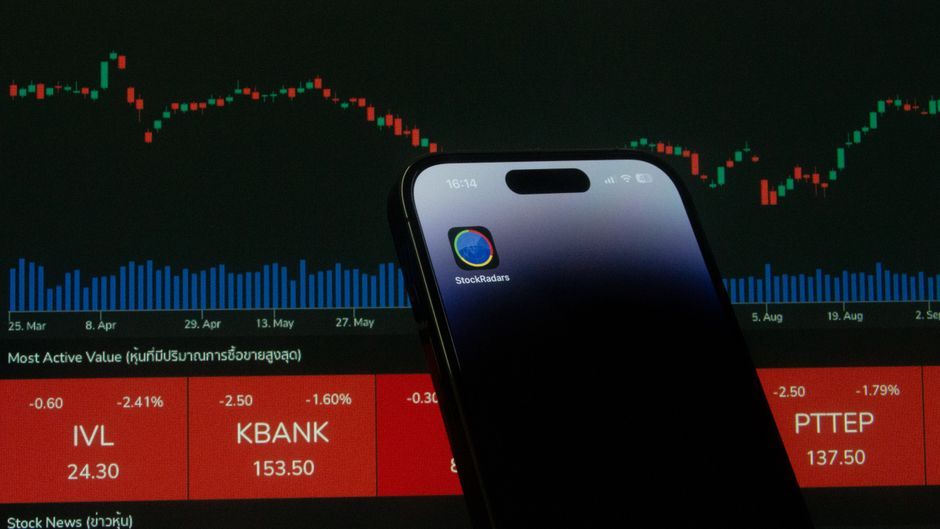
Stock photo for illustration only, not from the actual event
Wee Khoon Chong from financial services firm BNY notes that the Kospi faced one of the sharpest corrections in its history between June and August, comparable to market drops seen during Covid-19 and the 1997 Asian financial crisis. The index had more than doubled since the start of the year to surpass 9,000 points in mid-June before plunging to 5,500 within weeks, though it has since recovered to around 6,800 points.
A primary catalyst for the recent sell-off has been growing anxiety surrounding massive expenditures on artificial intelligence, Wee adds. This slump has heavily impacted personal investors who purchased tech shares over the past year, including Woongsa Kim, who used about half of his work bonus at the beginning of the year to buy shares in tech giant SK Hynix.
Although the stock quadrupled in value before most of those gains evaporated, his investment is now worth roughly 300 million won, amounting to about half of its peak value.
"Thinking about it just brings tears to my eyes."
Tobias Reger, an investment analyst, points out that the sell-off followed months of soaring tech shares that generated extreme euphoria, pushing some retail investors to secure loans for trading. The downturn has been felt most acutely by individuals utilizing leverage—a borrowing mechanism in financial markets.
Leveraging allows investors to command a larger portfolio than their cash permits, amplifying potential profits if shares rise. However, if stock values drop past a certain threshold, it triggers a margin call where brokers demand immediate debt repayment, frequently resulting in forced liquidations and accelerated market sell-offs.
By the end of July, an estimated 1.2 million South Korean retail accounts had encountered margin calls, translating to roughly one in every 30 working-age adults in the country. Frank Benzimra, head of Asia equity strategy at Societe Generale, observes that leveraged trading is a rising trend among retail investors that has also gained traction in markets like Taiwan and the United States, thereby amplifying AI-related stock risks.
Marketing professional Chanyong Park, who plowed profits from surging Nvidia shares into SK Hynix, saw his investment drop by about $10,000. Another investor, Youngji Park, went all in on Samsung shares that peaked at 45 million won before suffering a gut-wrenching slump. Both intend to hold onto their shares in hopes of a market rebound.
Meanwhile, college student Soomin Yi pooled money with a friend to buy SK Hynix after experiencing severe fear of missing out (FOMO). She now regrets not selling when shares peaked at three million won each in June, rather than chasing speculation that they would hit five million won.
Yongjoon Kim concludes that the entire ordeal serves as a stern warning for Korean investors, particularly younger ones, against putting all their eggs in one basket. Meanwhile, his fiancée Gaeon Lee remains hopeful about a market recovery despite their home savings taking a hit, though she worries about the heavy toll constant portfolio monitoring has taken on him.
Source: BBC Business
Found something wrong in this article? Report an issue with this article
Comments
Leave a Comment