

Apple Adds iPhone X and 2018 MacBook Pro to Obsolete Products List
Apple officially updates its obsolete product list, ending all hardware repair services and spare parts availability for the iPhone X and 2018 15-inch MacBook Pro.

Stock photo for illustration only, not from the actual event
- Apple designates iPhone X and 2018 MacBook Pro as obsolete items
- Hardware repairs and authorized spare parts distribution have ceased
- MacBook Pro batteries retain a special exception of up to 10 years
- iPhone X famously introduced OLED display and Face ID technology
The Apple Support website has officially updated its catalog to include additional electronic devices categorized as obsolete. The newly transitioned hardware includes the landmark smartphone iPhone X, which originally debuted in 2017, alongside the popular 15-inch MacBook Pro laptop model released to the market in 2018.
Transitioning into the obsolete product tier means the technology giant has completely terminated all internal and external hardware repair services. Furthermore, any service centers officially authorized by the company will no longer maintain inventories or provide replacement components for these specific device models, requiring owners to seek alternative solutions for physical maintenance.
Apple's process of marking hardware as obsolete is part of a standard product lifecycle management strategy. Devices generally pass through a vintage phase when they are discontinued for more than five but less than seven years, during which repairs continue as long as parts remain. Once items exceed the seven-year threshold, they transition to obsolete status, allowing the corporation to phase out legacy logistics and focus resources on modern architectures.
Corporate guidelines state that products enter the obsolete classification once they have surpassed seven years since distribution officially stopped, subject to formal corporate scheduling. Nevertheless, the MacBook Pro product line possesses a specific policy exemption differing from other categories, as battery replacements remain eligible for up to 10 years following the discontinuation date, contingent entirely upon physical spare part availability.
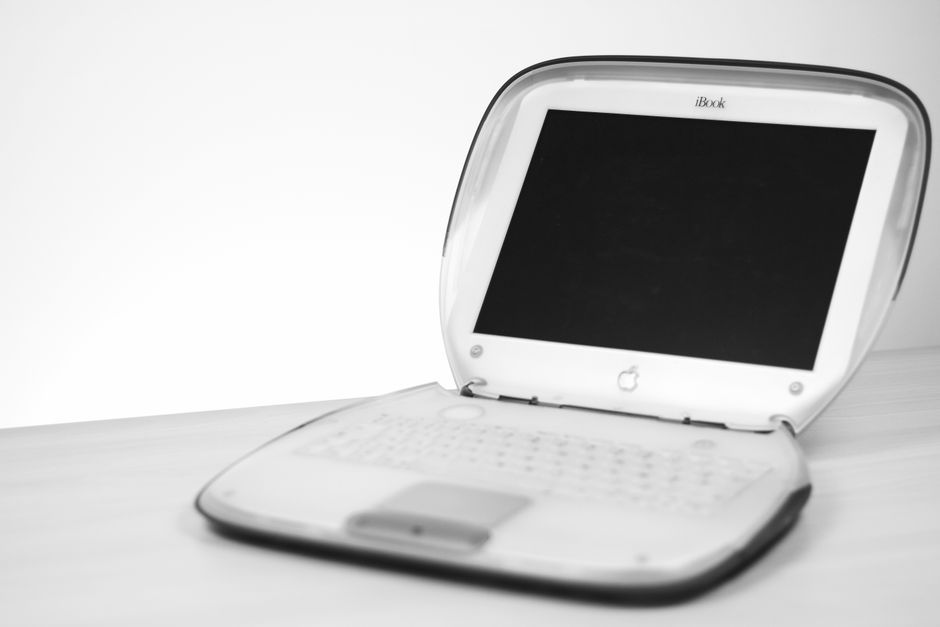
Stock photo for illustration only, not from the actual event
Reflecting on the legacy of the affected smartphone, the iPhone X launched to the public in late 2017 as a special commemorative edition marking the tenth anniversary of the mobile product line. It served as a pioneering device that overhauled the traditional interface by eliminating the physical home button, introducing a top display notch for full-screen utilization, and pioneering both the OLED display panel and Face ID facial recognition system.
For everyday device owners, being added to the obsolete roster does not imply that the handset will immediately cease functioning or become entirely unusable. The tangible implication is strictly limited to internal hardware failures, as replacement parts will no longer be supplied by official corporate stores or authorized repair networks, leaving independent third-party repair shops as the sole alternative.
Source: Thairath Lifestyle
Found something wrong in this article? Report an issue with this article
Comments
Leave a Comment