

Indian solar mission sheds light on enduring Sun mysteries
Indian astrophysicists use data from the Aditya-L1 mission to solve the mystery behind the Sun's extreme corona temperatures.
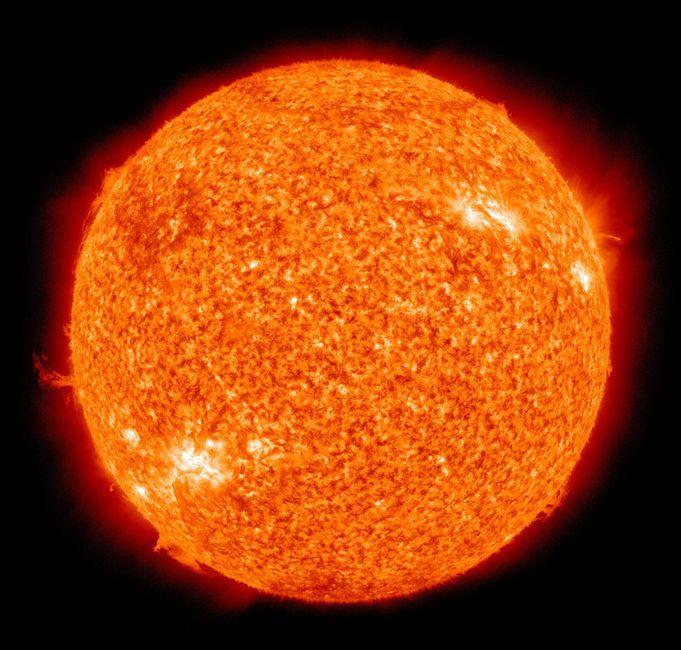
Stock photo for illustration only, not from the actual event
- India's Aditya-L1 mission uncovers clues to the Sun's corona heating mystery.
- The corona remains millions of degrees hotter despite frequent energy losses.
- Magnetic reconnection supplies 93% of the lost energy back to the Sun.
- Surface bubbling waves contribute only 7% of the total energy requirement.
One of the most persistent puzzles baffling scientists for generations is why the Sun's outer atmosphere, known as the corona, is millions of degrees hotter than its surface. Researchers have also questioned how the corona manages to retain such intense heat despite frequent eruptions that drain massive amounts of energy.
Astrophysicists in India now state that fresh findings from Aditya-L1, the nation's inaugural space-based solar observation mission, have delivered critical clues to solving these mysteries. Their discoveries were detailed in a recent paper published within the Astrophysical Journal Letters.
Prof R Ramesh, a prominent Indian solar astrophysicist from the Indian Institute of Astrophysics (IIA) who spearheaded the research, notes that temperature variations across different solar regions defy standard physical laws. The corona serves as the birthplace for extreme space weather events, including solar flares and coronal mass CMEs, which release vast energy into space.
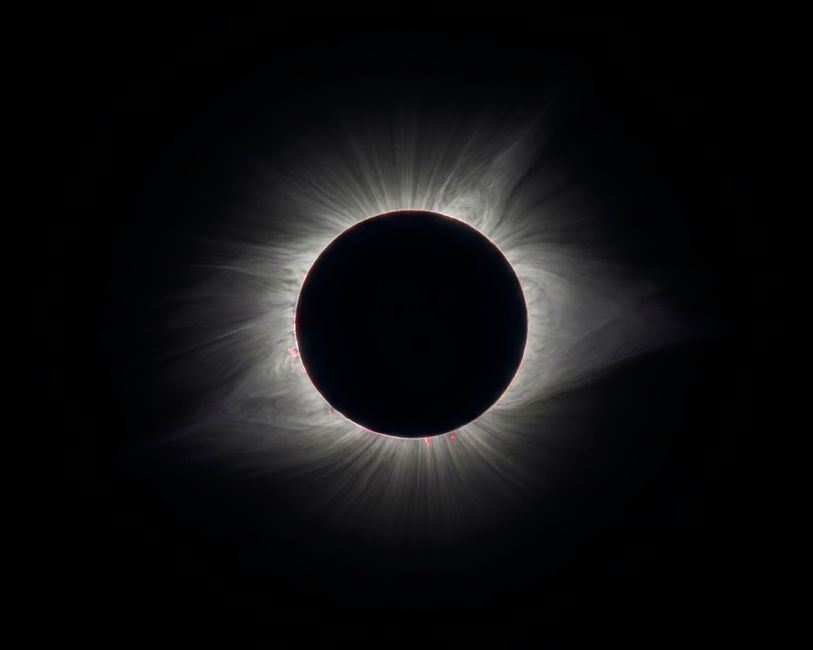
Stock photo for illustration only, not from the actual event
While CMEs produce stunning auroras, they can also disrupt life on Earth by triggering geomagnetic storms capable of disabling power grids and impacting communication satellites. During normal activity periods, the Sun produces two to three CMEs daily, whereas peak solar cycles occurring every 11 years can yield ten or more daily.
Scientists previously attributed this phenomenon to two main factors: boiling motions on the solar surface generating outwards-traveling energy waves, and magnetic field lines reconnecting to replenish lost energy within hours. In their study, the research team successfully quantified the exact energy contributions of both systems.
"Though the waves generated as a result of the bubbling, boiling motions on the Sun's surface generate and transport energy, their contribution is very little - they supply only 7% of the energy requirement. The remaining 93% comes because the Sun reconfigures itself and replenishes the lost energy."
Prof R Ramesh
Understanding the precise energy distribution within the Sun's corona represents a major milestone in solar physics. By utilizing data from dedicated missions like Aditya-L1, researchers can move beyond theoretical models and rely on empirical measurements to decode stellar behavior and space weather origins.
Source: BBC Science & Environment
Found something wrong in this article? Report an issue with this article
Comments
Leave a Comment