

How Net Unit Growth Ate the Hotel Industry
An analysis of why major hotel groups operate over 200 brands driven by Wall Street's net unit growth metric, according to Skift.
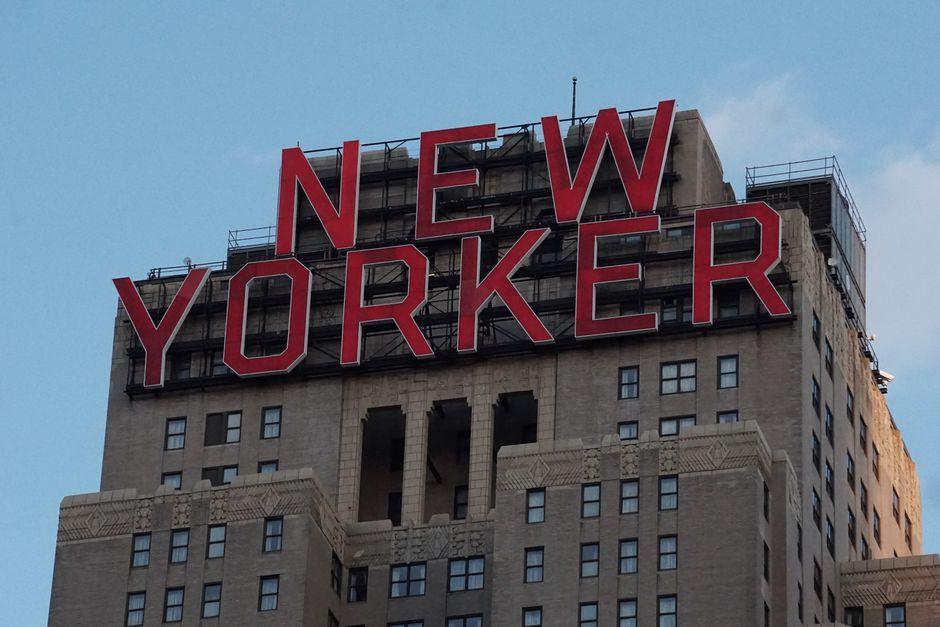
Stock photo for illustration only, not from the actual event
- Seven major global hotel groups carry roughly 200 brands, with Accor leading at over 45.
- Net Unit Growth (NUG) has become the primary structural metric tracked by Wall Street.
- Franchise area protection clauses prompt parent companies to launch sister brands in saturated markets.
- Shared loyalty programs and booking engines pool customer demand across all flags.
At 1717 Broadway in Manhattan, a single building houses two hotels: a Courtyard by Marriott on the lower floors and a Residence Inn by Marriott on the upper floors. When it opened in late 2013, it was touted as the tallest dedicated hotel building in North America. Arne Sorenson, then-CEO of Marriott, noted that they were two distinct products appealing to different stay types, yet both were sold through the same Marriott app and loyalty program.
This pattern repeats throughout Midtown with multiple Courtyards, a Fairfield, SpringHill Suites, Residence Inns, three Moxys, alongside a Westin, Sheraton, W, Aloft, Element, and Renaissance, all operating under the same corporate parent.
Accor currently lists more than 45 brands, Hyatt features 36, Marriott has over 30, Hilton lists 28, Wyndham 25, IHG 21, and Choice operates 22. Together, the seven large global groups carry approximately 200 brands, a portfolio so vast that few insiders or travelers can name them all.

Stock photo for illustration only, not from the actual event
The asset-light business model allows parent companies to collect recurring fees on every room while third parties fund construction, converting room expansion efficiently into profit and shareholder returns. However, this proliferation is often a direct response to market saturation rather than genuine consumer demand.
The core driver behind this multi-brand expansion is Net Unit Growth (NUG)—new rooms minus rooms leaving the system—which has become the central structural growth metric priced by Wall Street. Hilton CEO Chris Nassetta claimed to have popularized the acronym ahead of Hilton's 2013 IPO, operating with a lean capital expenditure of only $250 to $300 million per year on contracts and capex.
Because premier locations are already saturated, franchise area of protection clauses typically shield only a single brand. This leaves parent companies free to plant sister brands targeting the same guests in the same markets, leveraging shared booking engines and loyalty programs to pool demand across all flags.
Source: Skift
Found something wrong in this article? Report an issue with this article
Comments
Leave a Comment