

Archer Acquires Wisk Aero and Joby Buys Resonant Sciences
Weekly mobility roundup reveals major eVTOL consolidation as Archer acquires Wisk Aero with Boeing taking a 16.5% stake, and Joby buys Resonant Sciences for $500M.
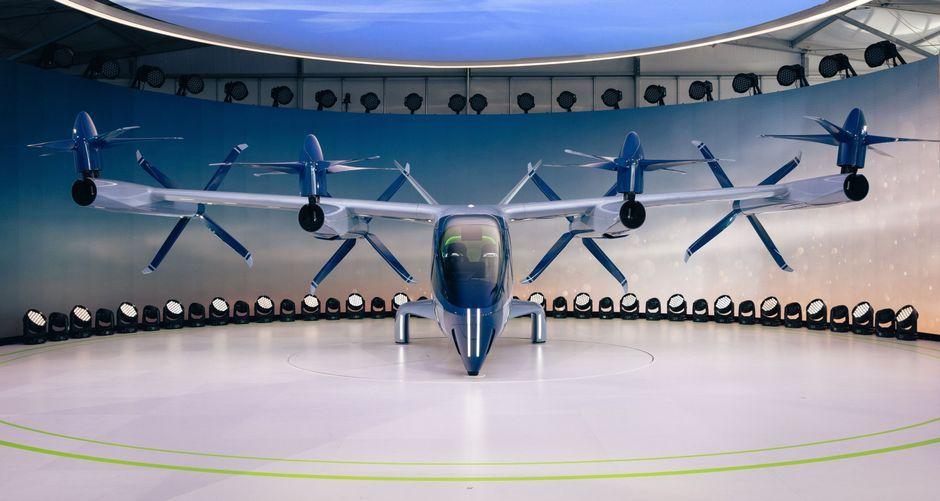
Stock photo for illustration only, not from the actual event
- Archer Aviation acquires its former rival Wisk Aero, with Boeing taking a 16.5% ownership stake.
- Joby Aviation acquires Resonant Sciences for $500 million to expand into the defense sector.
- Ride-hail giant Uber sells off its entire equity stake in autonomous delivery firm Serve Robotics.
- Electric mobility startup Yulu successfully raises $93 million in a Series C financing round.
The future of transportation sector experienced a flurry of significant developments this week, highlighting how electric vertical takeoff and landing aircraft companies continue to consolidate and seek near-term revenue streams. The most striking twist involved Archer Aviation announcing its acquisition of Wisk Aero, its former competitor, through a transaction facilitated by Boeing which transferred Wisk and two other subsidiaries to Archer.
This deal brings a definitive close to a prolonged legal battle that began in 2021 when Wisk sued Archer over intellectual property theft allegations. After two years of litigation, the companies reached a settlement that dropped a $1.0 billion damages lawsuit and transformed the rivalry into a collaborative partnership, leaving Boeing with a 16.5% stake in Archer.
Meanwhile, Joby Aviation made a strategic move by acquiring Resonant Sciences for $500 million, marking its official expansion into the defense sector. The company plans to operate Resonant Sciences as a dedicated defense subsidiary named Joby Defense, securing a steady stream of revenue while continuing its primary mission to certify urban air taxis.
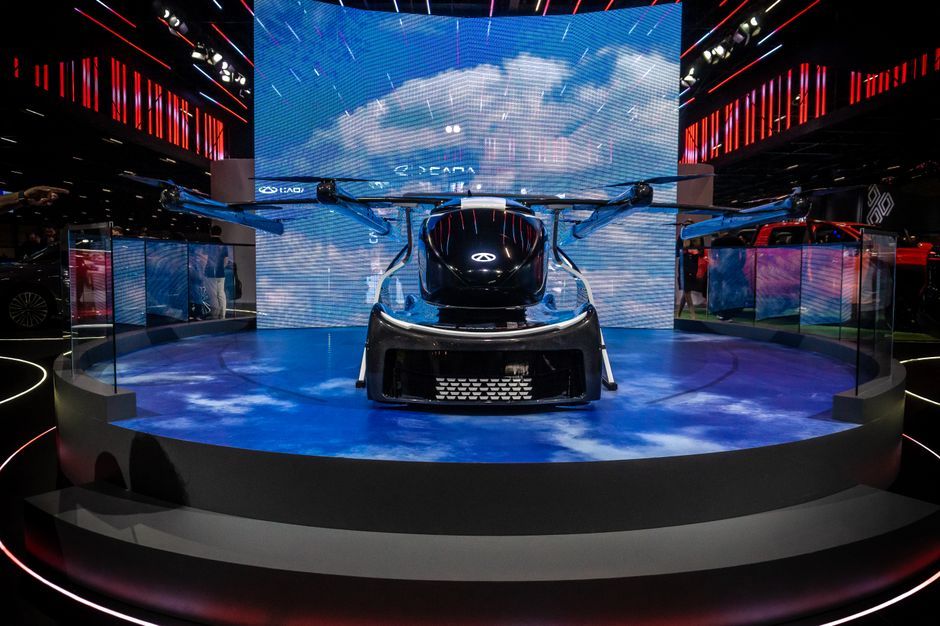
Stock photo for illustration only, not from the actual event
The strategic pivot by eVTOL developers toward defense applications and major corporate consolidations underscores the harsh economic realities of the aviation certification timeline. Developing and certifying electric air taxis requires immense capital and years of regulatory scrutiny, making near-term revenue diversification an essential survival strategy for these pioneering startups.
In contrast to its recent years of investing in autonomous vehicle tech, ride-hailing company Uber sold off its entire equity stake in Serve Robotics, an autonomous delivery robot company that originated within Uber over five years ago. Reports indicate that Serve Robotics learned of the divestment only after reviewing regulatory filings, although their existing delivery partnership on the Uber Eats app remains active through 2027.
Additional industry updates include electric mobility startup Yulu securing $93 million in a Series C round consisting of $63 million in equity and $30 million in debt. Furthermore, companies like Aurora Innovation and Kodiak AI obtained permits from the California Department of Motor Vehicles to test autonomous trucks on public roads.
Source: TechCrunch
Found something wrong in this article? Report an issue with this article
Comments
Leave a Comment