

Wildfire smoke is a greater prenatal threat than human pollution
Regulations reduced prenatal exposure to harmful emissions, but wildfire smoke is erasing all previous progress.
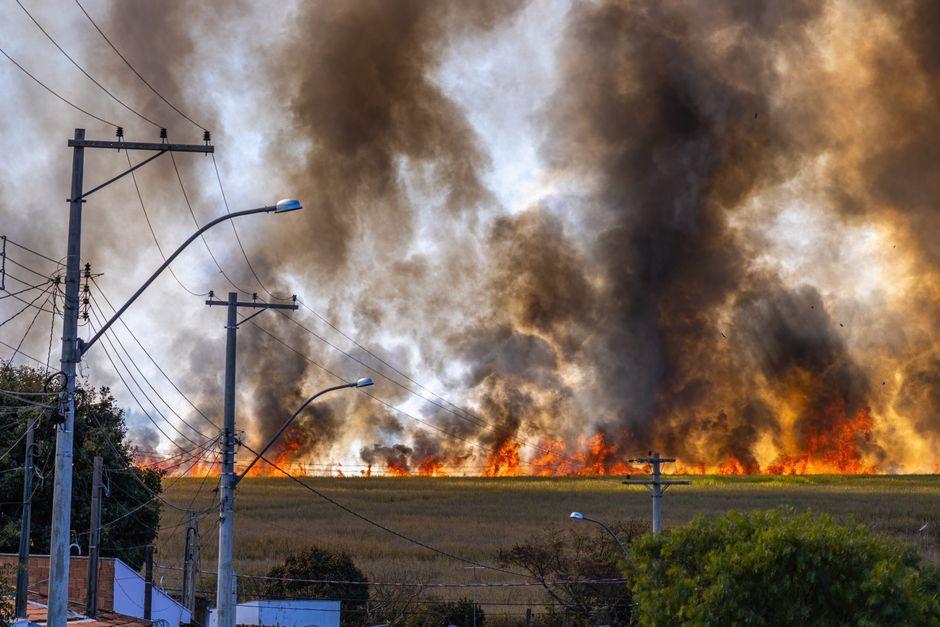
Stock photo for illustration only, not from the actual event
- Regulations successfully lowered prenatal exposure to harmful emissions.
- Wildfire smoke has surged to become a greater threat than human-made pollution.
- This growing environmental crisis is erasing years of progress in public health.
Government regulations and emission standards have successfully driven down harmful pollutants over the years, leading to a notable decrease in the exposure risks that unborn children face from human-generated air pollution.
However, the increasing frequency and severity of wildfires have completely shifted the landscape. Massive plumes of wildfire smoke are surging upward, transforming into a far more dangerous threat to pregnancies than traditional industrial or urban pollution sources.
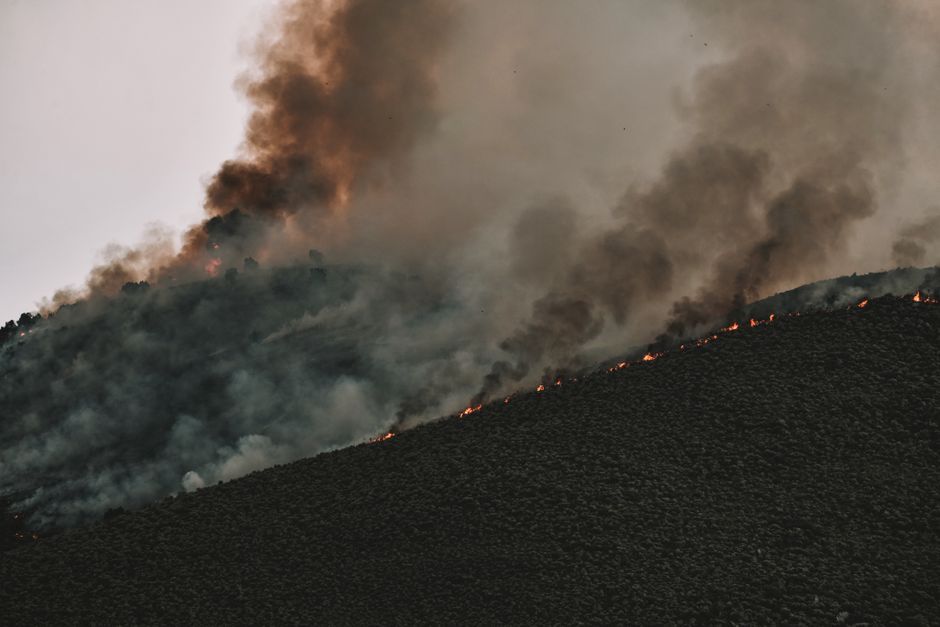
Stock photo for illustration only, not from the actual event
The escalating threat of wildfire smoke to prenatal health represents a major public health challenge worldwide, as microscopic particles from smoke can cross the placenta and affect fetal development. Even though nations have heavily restricted industrial and vehicular emissions, climate change makes wildfires increasingly difficult to contain and manage.
This alarming trend has sparked serious concern among medical researchers and scientists, as the hard-fought victories in reducing fossil fuel and human-made combustion pollutants are now being undone by uncontrollable wildfire smoke.
Source: Ars Technica
Found something wrong in this article? Report an issue with this article
Comments
Leave a Comment