

New UK planning rules make turning pubs into homes harder
The UK government is updating the National Planning Policy Framework in England on Monday, requiring developers to provide 12 months of marketing proof before converting pubs.
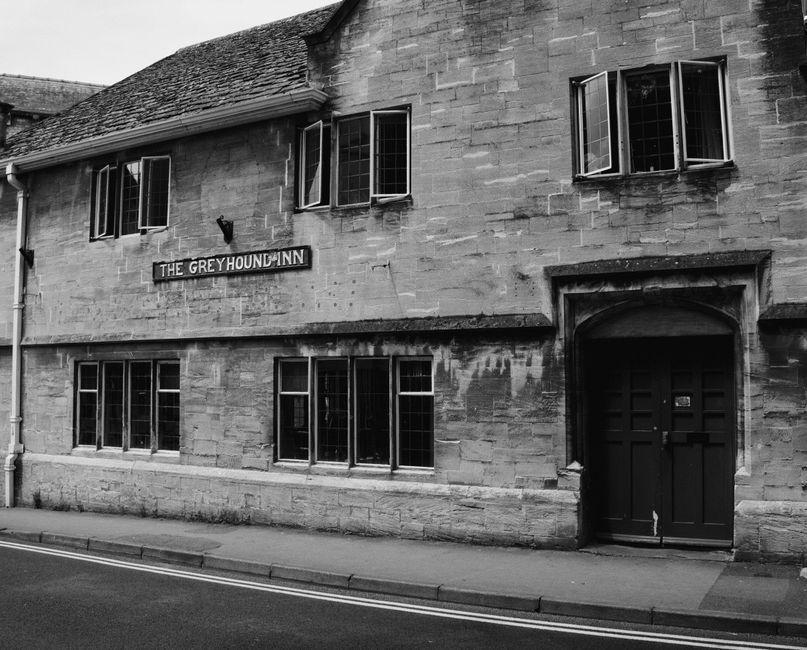
Stock photo for illustration only, not from the actual event
- The UK government is tightening planning rules in England to protect local pubs from conversion starting Monday.
- Developers must prove a pub was marketed for sale for at least 12 months before changing its use.
- Industry groups report British pubs are closing at a rate of nearly two per day in 2026 due to soaring costs.
- Labour aims to build 1.5 million homes by 2029 while facing criticism over housing targets and taxation.
The UK government is implementing stricter planning regulations in England starting Monday to make the conversion of pubs into residential or office spaces significantly more difficult. The updated National Planning Policy Framework (NPPF) aims to safeguard community pubs facing closure and prevent owners from intentionally running down trade to justify redevelopment projects in desirable locations.
Under the revised guidelines, developers wishing to change the use of a pub must furnish concrete evidence demonstrating no reasonable prospect of keeping the business afloat. This mandatory proof must include documentation showing the property was actively marketed for sale for a minimum duration of 12 months. Local authorities will subsequently evaluate the potential impact on the local community before making any decisions.
Despite these added protections, hospitality representatives and pub associations emphasize that burdensome employment costs and heavy taxation remain the primary catalysts behind closures. Industry data indicates that British pubs have been shutting down at a rate of nearly two per day throughout 2026, driven by financial pressures rather than mere real estate loopholes.
"The biggest issue facing hospitality businesses is costs like VAT and business rates pushing pubs out of business in the first place."
Allen Simpson, Chief Executive of UKHospitality
Allen Simpson, chief executive of UKHospitality, noted that while any initiative making it harder to strip communities of vital assets is welcome, authorities should concentrate on reversing the financial damage inflicted on the hospitality sector over recent years. Trade bodies like the British Beer and Pub Association have continuously lobbied against these closures.
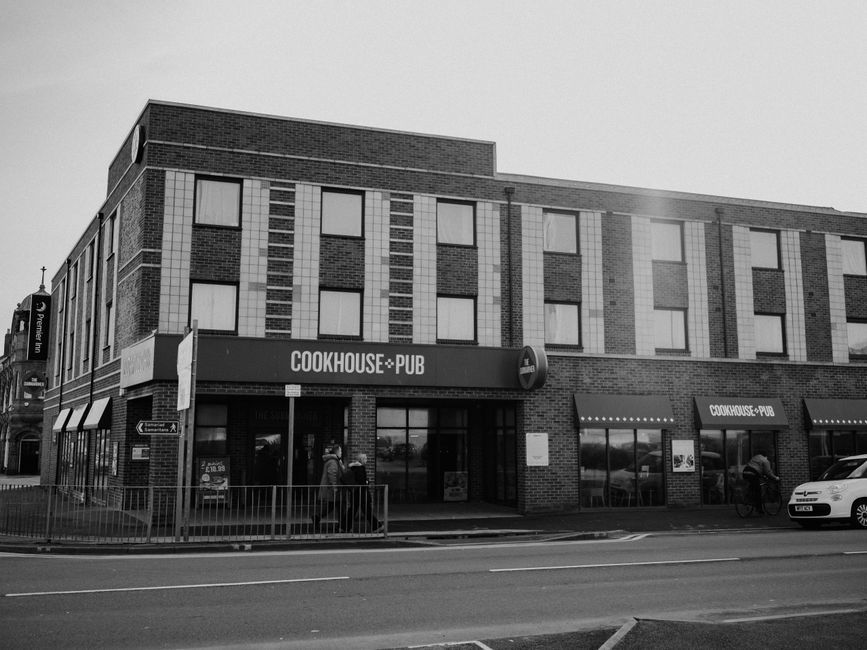
Stock photo for illustration only, not from the actual event
This policy shift within the NPPF highlights the ongoing tension between the UK's ambitious housing targets and the preservation of cultural landmarks like traditional British pubs. While regulatory hurdles can temporarily halt opportunistic redevelopment, long-term survival for the hospitality sector heavily depends on broader macroeconomic adjustments, particularly regarding business rates and energy overheads, to counteract the closures happening across communities.
Concurrently, the NPPF update includes provisions for default planning approval regarding residential developments surrounding railway stations across England to boost housing supply. The Labour administration has committed to delivering 1.5 million new homes by 2029, having completed 392,000 properties since taking office in July 2024. However, shadow housing secretary Sir James Cleverly argued that tax burdens and bureaucratic red tape are causing the administration to fall significantly short of its targets.
Source: BBC Business
Found something wrong in this article? Report an issue with this article
Comments
Leave a Comment