

Fintech Node.js Speech-to-Text: 4 Timeout Gates Strategy
Handling large multipart audio in fintech Node.js apps by splitting speech-to-text into 4 admission and timeout gates to prevent duplicate jobs.

Stock photo for illustration only, not from the actual event
- Split speech-to-text into four distinct stages: admission, transfer, transcription, and validation.
- Assign an idempotency key prior to transfer to prevent duplicate transcription jobs.
- Use a deadline budget approach instead of relying on a single large timeout value.
For long fintech support recordings, stop treating speech-to-text requests as one large upload with a single massive timeout. Instead, separate admission, transfer, transcription, and structured ticket validation, then retry only the stage whose outcome is definitively known.
A support-ticket system does not merely need a transcript; it requires a trustworthy case record containing customer intent, account references, urgency, consent-sensitive content, and evidence linked to the recording. A request returning quickly while dropping an account digit is far worse than a slow request that remains observable, making structured output correctness the primary decision axis.
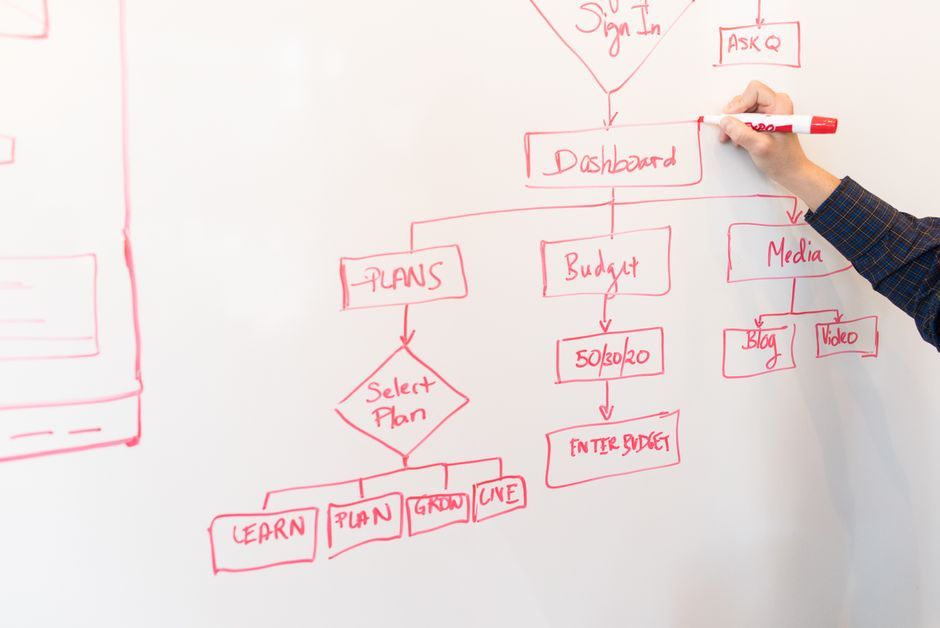
Stock photo for illustration only, not from the actual event
The least complex design preserving this distinction is a small state machine. Keep the original audio under your control, assign an idempotency key before transfer, and record every state transition. Do not ask a single fetch() call to act as uploader, job scheduler, progress monitor, and result validator simultaneously.
In financial technology systems, decoupling network requests and isolating failure boundaries prevents cascading errors and ambiguous race conditions. Utilizing explicit state tracking ensures compliance and data integrity when handling sensitive customer audio streams.
The word timeout masks several different internal clocks. A client may stop waiting while multipart bytes are still sending, a proxy may enforce an idle deadline, a speech service may accept an object asynchronously, or a downstream parser may reject valid syntax due to missing fields—four distinct failures requiring distinct recovery rules.
"This changes the debugging question. It is no longer 'How high should the timeout be?' It becomes 'Which deadline expired, and is that stage safe to repeat?'"
Dev.to
Source: Dev.to
Found something wrong in this article? Report an issue with this article
Comments
Leave a Comment