

Eating Fish Roe Causes Oily Stool: Real Risk Explained
Discover why consuming fish roe can lead to oily orange or yellow stools due to fat malabsorption, plus safety tips and prevention guidelines.
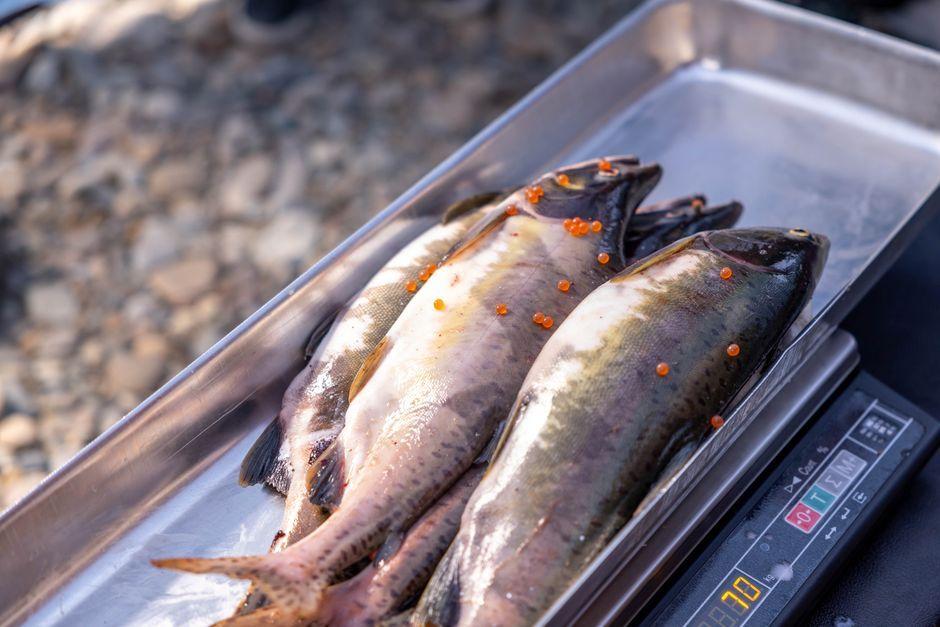
Stock photo for illustration only, not from the actual event
- Snakehead fish roe contains high amounts of lipids and fatty acids
- Excessive fat intake can trigger steatorrhea and oily stools
- Spoiled or fermented roe poses a risk of food poisoning
- Consuming roe with high-fiber vegetables aids proper digestion
Snakehead fish is known for storing energy in the form of high levels of fat, particularly within its roe, which contains a large proportion of lipids, saturated fatty acids, and unsaturated fatty acids. This characteristic has led many to question whether consuming this delicacy can negatively impact the digestive system.
Certain aquatic animals and fish roe contain components of fats that are difficult to digest. When consumed in quantities exceeding the digestive capacity of the gastrointestinal tract, the intestines cannot absorb all of it, expelling the excess along with stool in the form of oily orange or yellow discharge.

Stock photo for illustration only, not from the actual event
Such symptoms may indicate steatorrhea, a condition characterized by an excessive amount of fat in the stool. Affected stools are typically loose, bulky, pale, shiny, foul-smelling, float on water, and leave an oily residue that is difficult to wash away. Normally, dietary fats are broken down by bile and enzymes before being absorbed through the small intestine.
Finding oily stool just once after eating high-fat foods can happen naturally, but if it occurs repeatedly or continuously, it may signal fat malabsorption requiring medical evaluation. Furthermore, consuming fried fish roe or dishes cooked with excessive oil can cause bloating, abdominal cramps, diarrhea, or oily residue in individuals sensitive to fatty foods.
Steatorrhea does not only result from consuming too much dietary fat in a single meal; it can also be a warning sign of dysfunction in digestive organs such as the liver, pancreas, gallbladder, or bile ducts, which fail to produce sufficient bile or enzymes for proper fat breakdown. Observing stool characteristics serves as a very useful preliminary health screening method.
Regarding hard-to-digest fats like wax esters typically found in certain deep-sea fish, there is currently no evidence confirming their presence in snakehead fish roe. If frequent oily stools occur without eating fish roe, it could relate to abnormalities in the liver, pancreas, gallbladder, bile ducts, or small intestine.
Concerning food poisoning risks, fermented, dried, or improperly stored fish roe can cause abdominal pain, nausea, vomiting, diarrhea, or fever, though it is not the direct cause of oily stool. If the roe smells rancid, changes color, or grows mold, it should be discarded immediately without tasting.
"Purchasing clean fish roe, cooking it thoroughly, and consuming it in moderate portions are the keys to enjoying it deliciously and safely."
Thairath Lifestyle
Safe consumption guidelines include controlling portion sizes and avoiding eating large amounts of plain fish roe in a single meal. Cooking thoroughly with high heat, through frying or boiling, destroys microorganisms. Additionally, eating roe alongside high-fiber foods such as fresh vegetables or brown rice helps slow down absorption and supports digestive function.
Consumers should monitor for abnormalities. If oily stools persist for several days, accompanied by fever or severe abdominal pain, medical attention should be sought immediately, as this may indicate pancreatic or gallbladder dysfunction rather than simple fat indigestion. For most people, experiencing oily stool and diarrhea after eating fish roe is simply the body's natural mechanism for expelling unabsorbed excess fat.
Source: Thairath Lifestyle
Found something wrong in this article? Report an issue with this article
Comments
Leave a Comment