

Lt. Gen. Adul Urges Thailand to Build Defense Industry
Defense Minister Lt. Gen. Adul states Thailand does not need to produce all weapons but must manufacture essentials, emphasizing strategic value in procurements.

Stock photo for illustration only, not from the actual event
- Lt. Gen. Adul highlights shift toward multi-dimensional warfare
- Five decisive factors include people, data, technology, and trust
- Thailand must produce essential defense tech to reduce reliance
- Every military procurement must deliver clear national benefits
Defense Minister Lt. Gen. Adul has shared his perspective on modern security transformations, noting that the world is facing unprecedented levels of uncertainty. Drawing from his previous experience as Commander of the 2nd Army Region before stepping into a policymaking role, he emphasized the critical need for military adaptation.
In the modern era, military strength is no longer measured by the sheer size of armed forces, but by how fast an institution can adapt, the resilience of its systems, and public trust. National defense has thus expanded from a purely military duty into a shared responsibility for the entire nation amidst complex threat landscapes.
The nature of threats has evolved beyond traditional military boundaries into multi-dimensional warfare, encompassing cyber warfare, information operations, artificial intelligence, drones, infrastructure attacks, and economic competition. He stressed that the most concerning threats are often those that remain unseen until it is too late.
"สิ่งที่น่ากังวลที่สุดไม่ใช่ภัยที่เราเห็น แต่คือภัยที่เรายังมองไม่เห็น แล้วเราจะรับมือหรือป้องกันอย่างไร"
Lt. Gen. Adul, Minister of Defense
Future military readiness requires moving away from conventional warfare preparations toward multi-dimensional defense capabilities. This shift relies heavily on personnel, accurate data, modern technology, rapid decision-making systems, and seamless communication channels across various agencies.
This policy shift toward comprehensive security aligns with global military trends where defense ministries no longer focus solely on combat hardware. Instead, modern defense strategies prioritize digital resilience, supply chain security, and cross-sector coordination to protect national infrastructure from non-traditional disruptions.
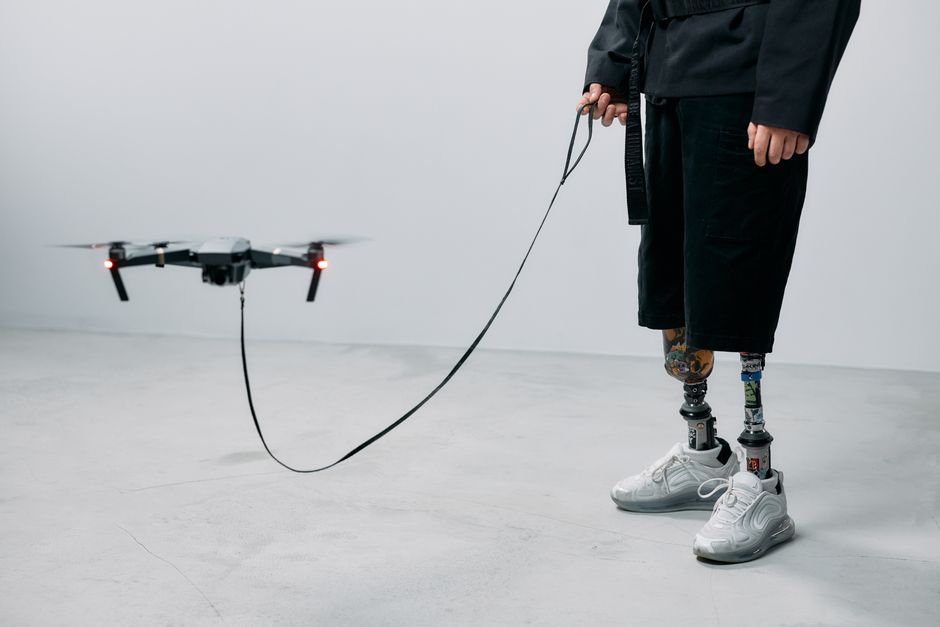
Stock photo for illustration only, not from the actual event
Addressing the domestic defense industry, Lt. Gen. Adul pointed out lessons learned from past conflicts where financial resources alone could not guarantee weapons acquisitions, sometimes resulting in price markups of up to 30% for imported military hardware. Total reliance on foreign suppliers leaves the nation highly vulnerable during crises.
Instead of manufacturing everything domestically, Thailand should focus on producing critical survival technologies, such as drones, artificial intelligence, protective gear, and disaster management systems. He reaffirmed that every procurement decision must guarantee tangible long-term benefits for the country.
Regarding foreign relations, Thailand must maintain a strategic balance centered on national interests, avoiding exclusive alignments that could restrict its diplomatic flexibility and independent decision-making capabilities on the global stage.
Source: Matichon Politics
Found something wrong in this article? Report an issue with this article
Comments
Leave a Comment