

UK Consultation Ending on Controversial Rosebank Oil Field
Consultation on the £8.7bn Rosebank oil and Jackdaw gas fields off Shetland nears its close amid intense environmental opposition.
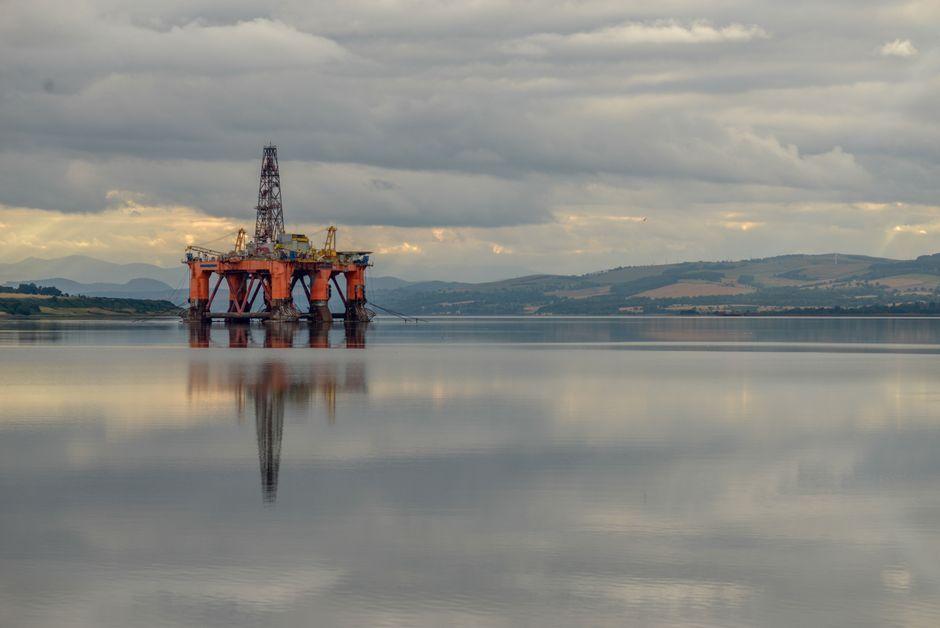
Stock photo for illustration only, not from the actual event
- Consultations on the £8.7bn Rosebank oil and Jackdaw gas projects are drawing to a close.
- Courts previously ruled initial approvals unlawful for failing to consider downstream emissions.
- Environmental campaigners Uplift warn the project will generate emissions equal to two-thirds of the UK's 2024 total.
- Prime Minister Andy Burnham faces heavy pressure while balancing pragmatic energy transition approaches.
Supporters and opponents of the controversial Rosebank oil field have been making their final cases as the public consultation on the plans draws to a close. The industry regulator is currently reviewing revised applications for the £8.7bn project located off Shetland, alongside the Jackdaw gas field, following a court ruling that found their previous approvals were unlawful.
Environmental campaign group Uplift, which spearheaded the successful legal challenge, argues that recent extreme heatwaves and wildfires clearly demonstrate that further drilling will severely damage the planet. Conversely, Adura CEO Neil McCulloch maintains that fossil fuels will remain necessary for years to come and that domestic production will generate billions in tax revenues.
The Rosebank dispute highlights the complex global dilemma of the energy transition: balancing long-term climate targets and emissions reduction against immediate national energy security and economic reliance on fossil fuels. The legal precedent requiring environmental impact assessments to account for downstream burning emissions could fundamentally reshape how massive energy developments are evaluated globally.
The Rosebank oil field and the Jackdaw gas field, situated 150 miles east of Aberdeen, were originally approved under the previous Conservative government, with construction already well underway. A legal challenge brought at the Court of Session in Edinburgh in 2024 argued that consent had been granted without fully evaluating the climate impact of burning the extracted fossil fuels, leading the court to quash the previous decisions and send them back to the Opred regulator for reassessment.
The judge ruled that operators could continue preparatory site work but must halt actual oil and gas production until a final decision is reached. Rosebank is estimated to hold up to 300 million barrels of oil equivalent, peaking at approximately 69,000 barrels per day, with the majority shipped to Europe for refining before open-market sale.
"The prime minister must take urgent steps to deal with the root of the problem - burning fossil fuels is what feeds climate change."
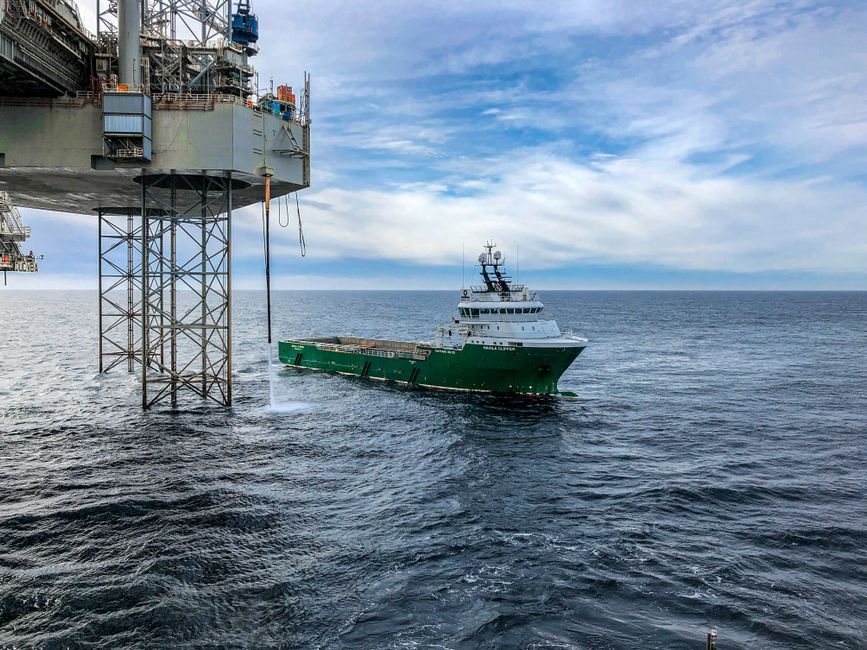
Stock photo for illustration only, not from the actual event
A fresh environmental impact assessment (EIA) concluded that the extracted oil and gas will generate roughly 250 million tonnes of greenhouse gases over its lifetime—equivalent to about two-thirds of the UK's total emissions for 2024. The industry contends this merely displaces imported oil rather than generating net-new emissions, with the Adura-produced EIA describing the projected emissions as "not significant."
Prime Minister Andy Burnham faces mounting pressure regarding the final decisions on both Rosebank and Jackdaw. While visiting wildfire victims in the West Midlands, he told BBC Five Live that the country must focus on climate adaptation and disaster response while maintaining a pragmatic approach to domestic oil and gas to help fund the broader green transition.
Source: BBC Science & Environment
Found something wrong in this article? Report an issue with this article
Comments
Leave a Comment