

Unprecedented Number of Apple Users Receive Spyware Alerts
Apple's latest spyware threat notifications sent to 110 countries trigger a 30% to 40% surge in support requests, according to investigators at Access Now.
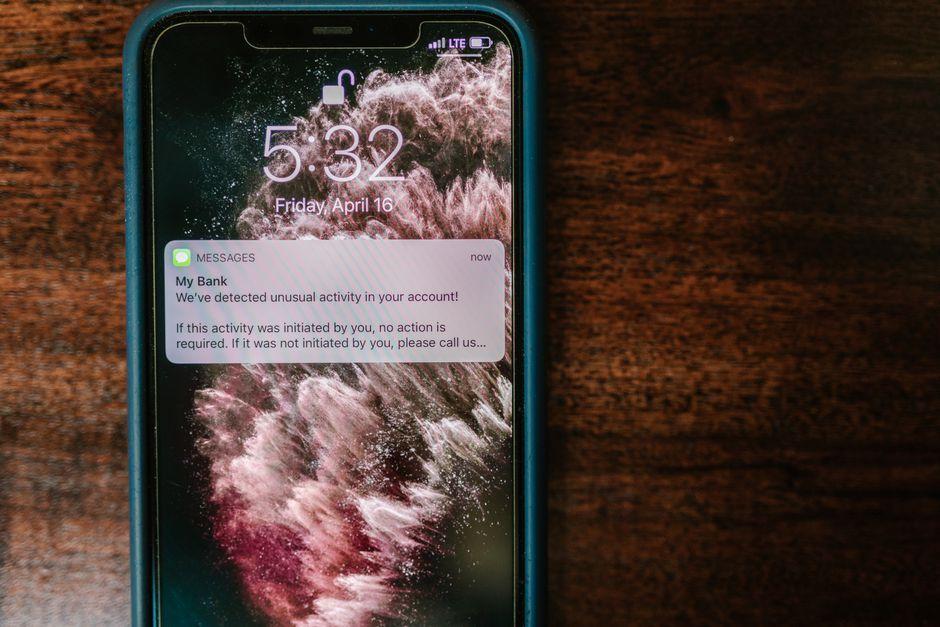
Stock photo for illustration only, not from the actual event
- Apple sent a new wave of spyware threat notifications to users across 110 countries.
- Access Now reported a record-breaking 30% to 40% surge in help requests.
- An anonymous active soldier in Ukraine confirmed receiving the security alert.
- New notification methods on iPhone lock screens drove higher user awareness.
A remarkably high number of Apple customers have recently reported receiving threat notifications warning them of suspected mercenary spyware attacks targeting their personal devices. This recent wave of security alerts was dispatched by the tech giant to users residing in 110 countries, prompting digital rights organizations and security firms to field a massive influx of distress calls.
Apple periodically issues these threat notifications in batches to individuals it believes have been targeted or compromised by state-sponsored malware, a category the company designates as mercenary spyware. Over the past few years, Apple has issued similar warnings to people located in more than 150 countries. According to digital rights groups assisting victims, this latest batch appears to be the most extensive distribution to date.
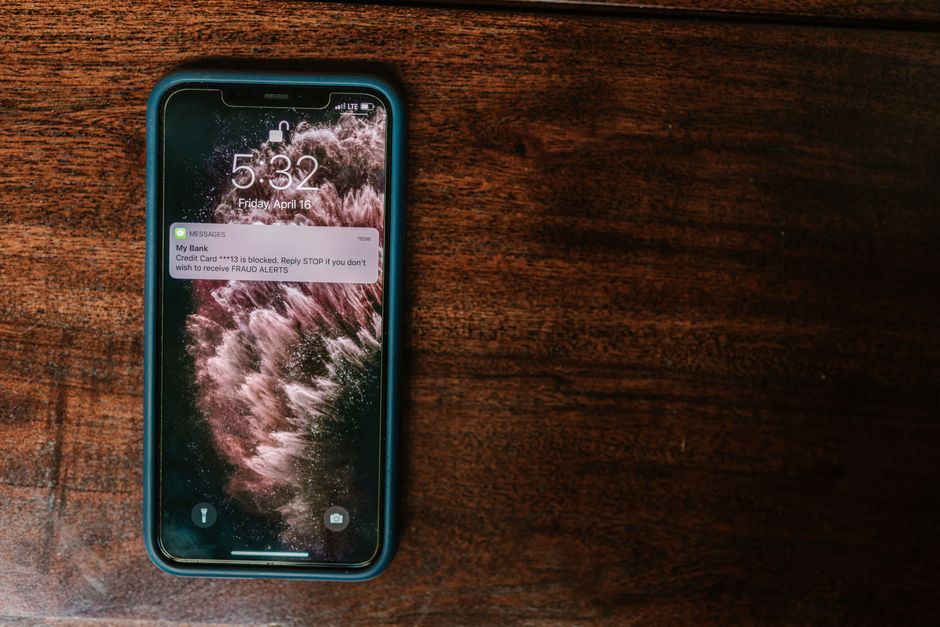
Stock photo for illustration only, not from the actual event
Mohammed Al-Maskati, director of the Access Now investigation team that reviews helpline reports, told TechCrunch that the organization has experienced a record high volume of individuals reaching out for assistance since Friday. This group includes users who had already received similar threat notifications in past incidents. Al-Maskati noted that the inbound volume is approximately 30% to 40% higher than the nonprofit's usual intake following past Apple security alerts. Cybersecurity firm iVerify also corroborated seeing a notable rise in incoming reports regarding these alerts.
Among those speaking out publicly is a soldier serving in the Ukraine Armed Forces fighting against Russia. The soldier, who requested anonymity for personal protection, initially mistook the warning for a scam until verifying its authenticity directly with Apple. Expressing a mix of surprise and mild amusement, the soldier stated to TechCrunch that he felt flattered to be considered important enough to warrant such targeted espionage, while noting that fellow military personnel in Ukraine who received identical alerts were considerably more worried.
"I was a bit surprised to be honest, I wouldn’t have thought I was important enough for them to target me like this. I am flattered though"
Anonymous Ukraine Armed Forces Soldier
John Scott-Railton, a senior researcher at The Citizen Lab with over 15 years of experience investigating government-backed spyware, emphasized that these findings indicate spyware attacks are far more pervasive than the public realizes. Scott-Railton pointed out the unprecedented scale and geographic diversity of the public reports, describing every visible post as merely the tip of an iceberg representing countless unseen notifications.
Security experts note that the staggering volume of reports is heavily amplified by Apple's updated notification infrastructure introduced this year. By delivering alerts directly to iPhone lock screens, the Settings app, account-linked emails, and web logins, Apple has effectively eliminated the likelihood of users missing or ignoring critical threat warnings, thereby exposing the true scale of modern digital espionage.
Source: TechCrunch
Found something wrong in this article? Report an issue with this article
Comments
Leave a Comment