

Audi Nuvolari 2026: Hybrid Supercar Built in 405 Days
Audi unveils the Nuvolari hybrid supercar at Monterey Car Week, boasting 1,001 horsepower and a compressed 405-day development cycle.
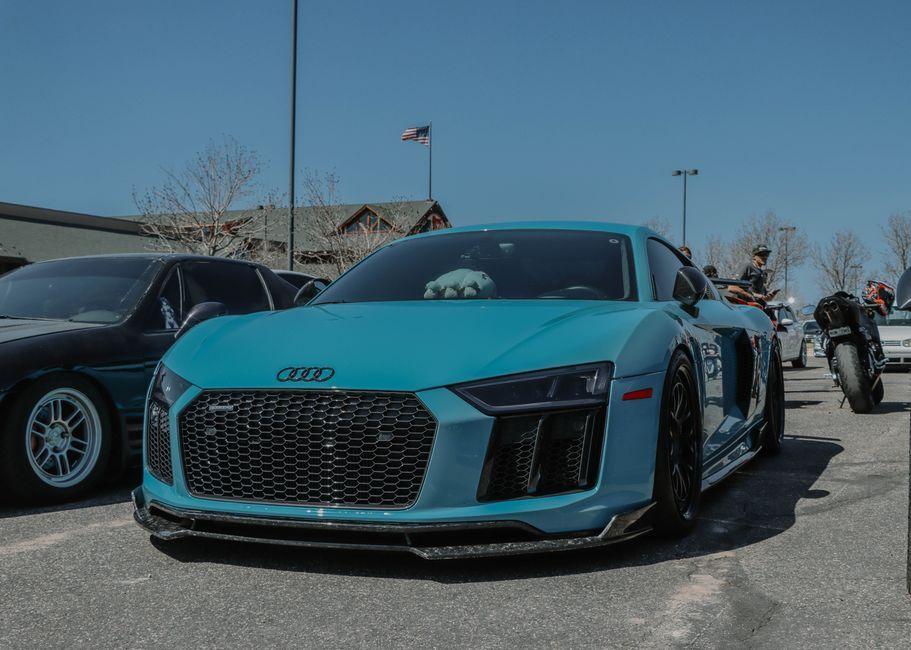
Stock photo for illustration only, not from the actual event
- Audi debuted the Nuvolari hybrid supercar at Monterey Car Week's The Quail.
- Developed from initial sketches to a drivable prototype in just 405 days.
- Powered by a V8 biturbo and three electric motors producing 1,001 PS.
- Strictly limited to 499 examples, with European order books opening later this year.
Audi turned heads at Monterey Car Week by officially unveiling the Audi Nuvolari amidst a lawn filled with historic racers and rare collector cars at The Quail. Following its initial debut in Antibes last June, this near-production prototype is limited to just 499 units globally. Audi confirmed that European orders will commence later this year, with the very first customer deliveries scheduled to roll out during the first half of 2027.
In the metal, the Nuvolari's low-slung, mid-engine posture cuts a striking figure wrapped in a titanium-colored finish. Its sculpted volume is tightly wrapped around the wheels and dramatically pierced by deep air channels, signaling a bold visual shift for the brand's upcoming lineup.
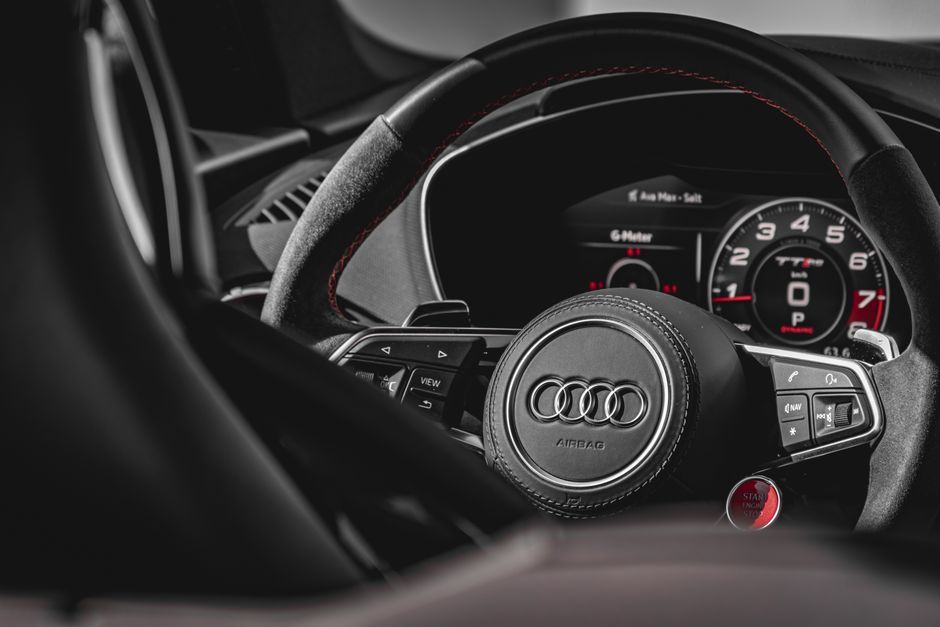
Stock photo for illustration only, not from the actual event
The figure most synonymous with the Nuvolari project is 405. This represents the exceptionally tight window of days that passed between the very first drawing and a fully functional, drivable prototype. Designers collaborated directly with vehicle technology and aerodynamics divisions, while powertrain engineers were integrated from day one. Testing took the prototype across extreme environments from Lapland and southern Spain to Nardò and Audi's German facilities, with Formula 1 drivers Gabriel Bortoleto and Nico Hülkenberg stepping in for high-speed dynamic evaluations.
Inside the cockpit, driver-centric minimalism takes center stage. The forward cabin area is darkened to keep core controls strictly within the driver's line of sight, contrasted by a lighter Shadow Dune tone behind the seats. Physical control interfaces remain intact, framed by anodized aluminum around the central display, while exposed carbon fiber in the lightweight seats emphasizes a race-bred driving posture.
"The Nuvolari represents a completely new way of building a car, uniting our Formula 1 expertise with a road-going hybrid supercar."
Achieving a production-intent prototype in just 405 days highlights a major evolution in agile automotive engineering. By breaking traditional departmental silos and integrating F1 driver input early in the testing phase, Audi is effectively bridging the gap between motorsport R&D and commercial vehicle manufacturing. This compressed timeline may ultimately serve as a blueprint for future high-performance models as the industry accelerates its transition toward electrification.
Tucked behind the cabin is a 4.0-liter V8 biturbo engine paired with a trio of axial-flux electric motors, churning out a combined 736 kW or 1,001 PS. The V8 revs up to a staggering 10,000 rpm, propelling the hybrid supercar from 0 to 100 km/h in a blistering 2.6 seconds on its way to a top speed exceeding 350 km/h. Audi states these metrics will crown the Nuvolari as the fastest and most powerful production car in the company's storied history.
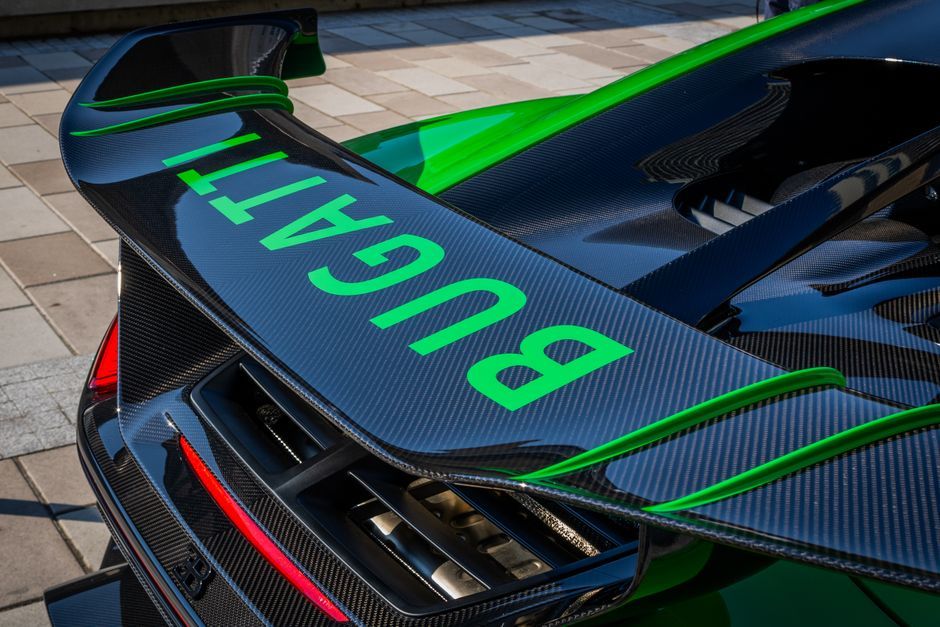
Stock photo for illustration only, not from the actual event
Beneath the raw performance lies an advanced quattro predictive ride system. Sensor inputs feed a real-time vehicle model that anticipates grip changes, dynamically adjusting torque vectoring across the front wheels and modulating braking alongside active aerodynamics. A steering-wheel-mounted DRS control even allows the deployable rear wing to flatten out on straights, directly borrowing race-proven logic from Formula 1 for the public highway.
Source: designboom
Found something wrong in this article? Report an issue with this article
Comments
Leave a Comment