

The Frankfurt Kitchen: Margarete Schutte-Lihotzky's Vision
Exploring the architectural legacy of the Frankfurt Kitchen and its preservation by the MAK museum in Vienna.
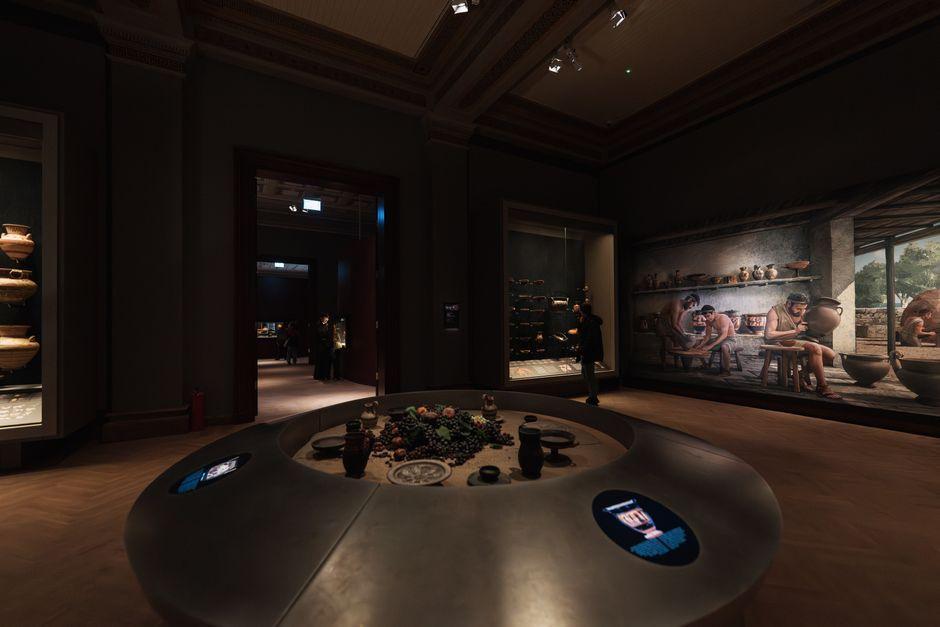
Stock photo for illustration only, not from the actual event
- Sebastian Hackenschmidt, curator at MAK, notes that tens of thousands of Frankfurt Kitchens were originally produced.
- Several museums have successfully acquired and conserved original or reproduced versions of the historic kitchen.
- This feature is part of designboom's MODES OF HABITATION series exploring domestic spaces.
The evolution of domestic spaces continues to influence modern living, particularly through groundbreaking architectural designs that redefined efficiency. Sebastian Hackenschmidt, a curator at the Museum of Applied Arts in Vienna, known as MAK, which houses a faithful reproduction of the Frankfurt Kitchen, recently shared insights into its historical significance.
During its peak, tens of thousands of these kitchens were manufactured for the New Frankfurt housing initiative. While time has taken its toll—with many units destroyed, rebuilt, or partially dismantled—several museums have been fortunate enough to acquire and preserve largely original versions of the kitchen for future generations.
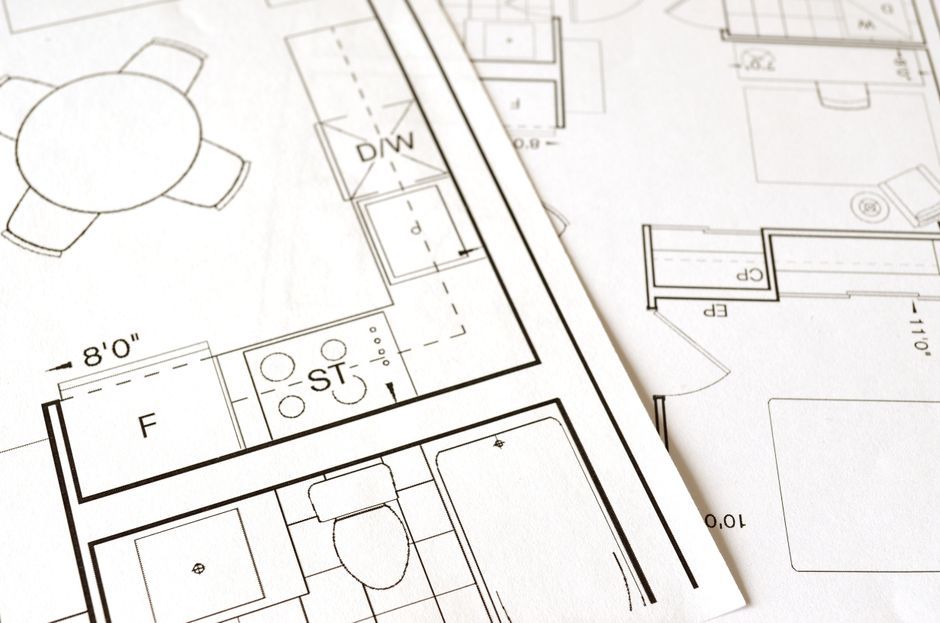
Stock photo for illustration only, not from the actual event
At the Museum Angewandte Kunst in Frankfurt, where the kitchens were originally created, an authentic unit was meticulously restored to accurately display its historical function. Architectural layouts and storage solutions highlight the innovative domestic engineering of the era.
Designed by Margarete Schütte-Lihotzky, the Frankfurt Kitchen is widely recognized as a pioneering milestone in 20th-century interior architecture and industrial design. By applying Taylorism—principles of industrial efficiency—to domestic labor, Lihotzky aimed to streamline housework, laying the foundational blueprint for the modern fitted kitchens we use today.
Specific details, such as aluminum storage containers, accurately reflect how groceries and food were purchased during that period. The project was brought to life by architects Margarete Schütte-Lihotzky alongside Bruno Taut, Ernst May, and Gerhard Lindner, with additional institutional support from the Hessischer Museumsverband, the Hessian museum association.
"Of course, over time, many of these were destroyed, rebuilt, partly taken down, or partly conserved. But with a bit of luck, many museums have managed to acquire a more or less original kitchen."
Sebastian Hackenschmidt
This architectural deep-dive forms part of designboom's MODES OF HABITATION chapter, which investigates how our living environments continually reshape communal living, domesticity, and the evolving concepts of a modern home.
Source: designboom
Found something wrong in this article? Report an issue with this article
Comments
Leave a Comment