

Appeal Court Acquits Nipon in 50M Baht Vehicle Case
The Appeal Court overturned the lower court ruling and acquitted former Songkhla PAO chief Nipon over a disputed 50 million baht vehicle purchase.

Stock photo for illustration only, not from the actual event
- The Appeal Court overturned the lower court ruling and acquitted former Songkhla PAO chief Nipon.
- The court ruled ordering vehicle checks for a project worth over 50 million baht was within official duties.
- An expert witness from the Comptroller General's Department confirmed the inspection order was valid.
- The court noted no formal disbursement warrant was ever submitted for approval.
The Appeal Court has delivered a verdict overturning the lower court's decision, acquitting Nipon after finding insufficient evidence to prove the defendant acted with malicious intent or abused his authority to intentionally cause damage to a contractor company in a dispute over vehicle repair and procurement payments.
According to the court's ruling, Nipon's directive ordering additional inspections and testing of two vehicles in his capacity as the head of the Songkhla Provincial Administrative Organization (PAO) was a legitimate executive exercise of authority to protect state interests. Given that the vehicle procurement budget exceeded 50 million baht but was backed by only a single inspection certificate, there were justifiable reasons to verify the facts before proceeding further.
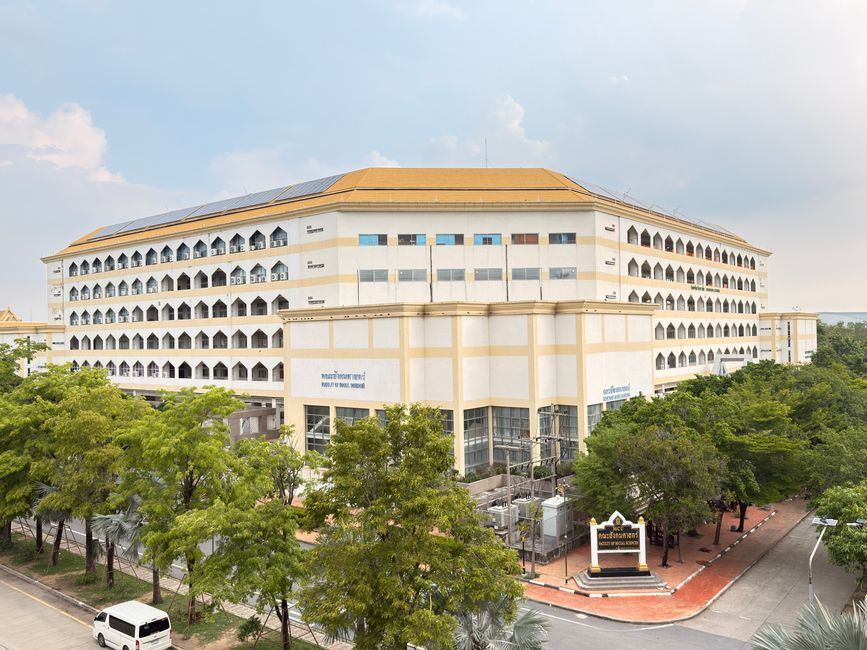
Stock photo for illustration only, not from the actual event
The court also reviewed the chronological sequence of events, noting that prior to ordering the vehicle tests, Nipon had summoned relevant officials to provide information and clarify the facts. Furthermore, on December 18, 2013, the defendant signed an order allowing the company to bring the vehicles in for system testing without any immediate objections from the firm, which later notified authorities that testing would occur on January 7, 2014. Consequently, the resulting delay could not be attributed to intentional stalling by the defendant.
In addition, Likhit, a prosecution witness and expert from the Comptroller General's Department, testified that the defendant possessed the authority to order vehicle tests if deemed beneficial to the state. Furthermore, amidst ongoing complaints and investigations regarding procurement irregularities, normal disbursement could not proceed as approving payments under suspicious circumstances could implicate the approver.
"The defendant was authorized to order vehicle testing if deemed beneficial to the state."
Likhit, Prosecution Witness and Comptroller General's Dept Expert
Regarding the disbursement procedures, the court found no record of a formal payment warrant being submitted to the defendant in compliance with Ministry of Interior regulations. The supplies division had only issued internal memo notes detailing the inspection results, but no official warrant from responsible departments was ever presented to the Songkhla PAO president to authorize payment. Approving funds using informal memos instead of warrants would violate financial regulations.
This case highlights the legal responsibilities of local government executives overseeing large-scale public projects. When procurement processes face allegations of bid-rigging or irregularities, conducting thorough internal checks and strictly adhering to formal disbursement protocols serve as crucial legal safeguards for administrators.
Considering all circumstances, including the questioning of officials, the vehicle testing orders, the investigation of procurement complaints, and the absence of a formal disbursement warrant, the Appeal Court ruled that the defendant's actions did not fulfill the elements of malfeasance under Section 157 of the Criminal Code, resulting in his acquittal.
Source: Matichon Politics
Found something wrong in this article? Report an issue with this article
Comments
Leave a Comment