

Why Apple's camera-equipped AirPods may not be the creep
Leaked details reveal Apple's upcoming camera-equipped AirPods will act as eyes for Siri in low resolution, easing privacy concerns.
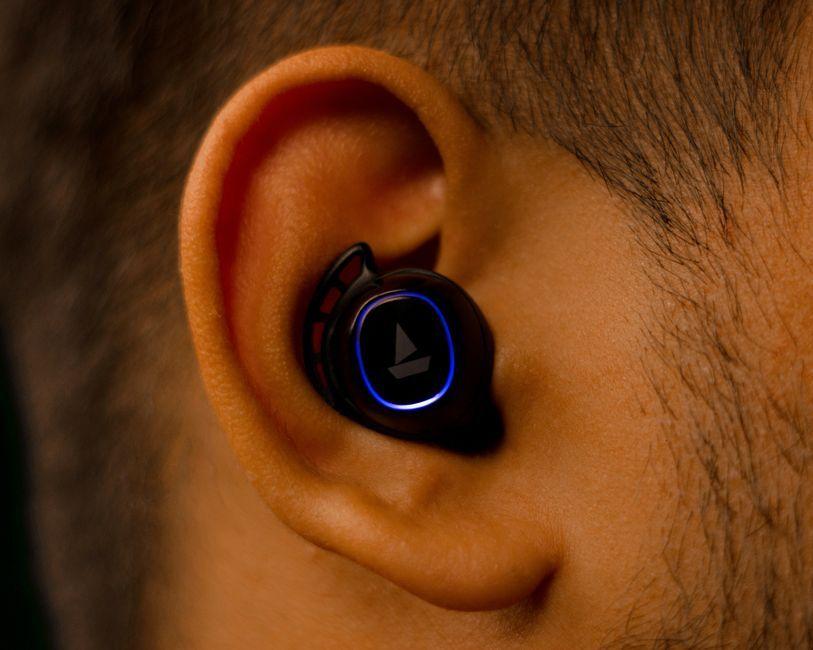
Stock photo for illustration only, not from the actual event
- Apple is developing a new version of AirPods equipped with miniature cameras in both earbuds.
- Reports from Mark Gurman clarify that these built-in cameras cannot record photos or videos.
- The hardware functions strictly as eyes for the Siri assistant through Visual Intelligence.
- The ultimate goal is to reduce reliance on iPhone screens and foster natural interactions.
Recent leaked information regarding Apple's upcoming AirPods featuring built-in cameras might initially trigger widespread privacy concerns and fears of covert recording. However, a closer look suggests this wearable accessory may not be as invasive as consumers initially fear.
Accompanying promotional audio tracks highlight the integration of Visual Intelligence, prompting users to save things they like in their surroundings simply by asking. For a brand built heavily on consumer trust, implementing cameras represents a massive gamble compared to standard hardware refreshes, especially since AirPods typically blend seamlessly into daily life without drawing scrutiny.
Such a dramatic hardware shift could easily prompt wearers to wonder whether people around them are secretly recording conversations or environments. Fortunately, prior reporting indicates that Apple anticipated these social hurdles during the early planning stages.
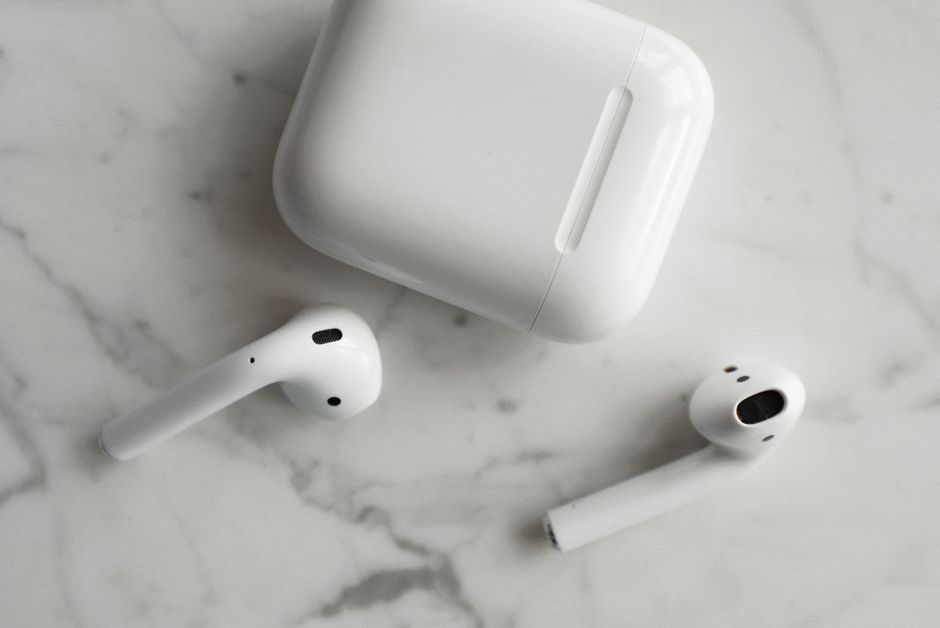
Stock photo for illustration only, not from the actual event
"The cameras essentially act as eyes for the Siri digital assistant and aren’t designed to take photos or video. These components — located in both the right and left earbuds — allow the device to capture visual information in low resolution."
According to insights shared by Bloomberg technology reporter Mark Gurman, the integrated camera components are intentionally restricted. They serve essentially as optical inputs for the Siri digital assistant rather than traditional media capture devices.
From a strategic standpoint, embedding artificial intelligence into a widely accepted wearable device marks a pivotal step toward a future less dominated by glowing smartphone screens. By utilizing hardware consumers already wear comfortably all day, the company aims to enable organic environmental interactions while proactively addressing privacy backlash through functional limitations.
Ultimately, this strategic bet aims to transition users toward a paradigm where pulling out an iPhone constantly throughout the day becomes less necessary. Balancing cutting-edge artificial intelligence integration with stringent social acceptance remains the definitive hurdle for this ambitious wearable evolution.
Source: TechCrunch
Found something wrong in this article? Report an issue with this article
Comments
Leave a Comment