

Tesla Cybercab 2026: Driverless Launch Set in Austin
Tesla is planning the public debut of its steering-wheel-free Cybercab in Austin, Texas this April, facing intense safety scrutiny and a massive data gap with Waymo.
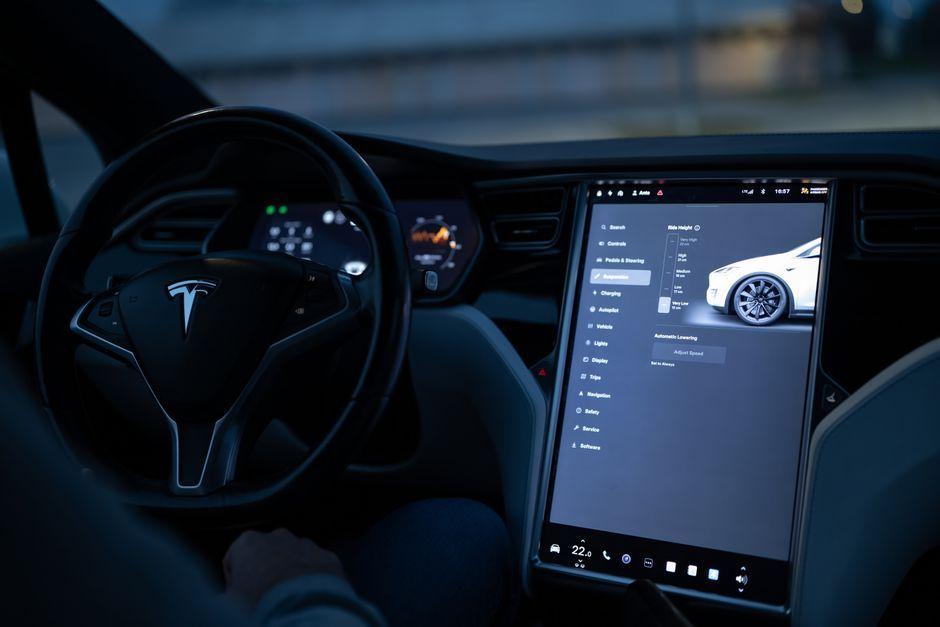
Stock photo for illustration only, not from the actual event
- Tesla plans public launch of its steering-wheel-free Cybercab in Austin
- Test vehicles have run on private roads and trained local first responders
- Safety experts remain skeptical regarding FSD readiness and oversight
- Tesla's autonomous fleet has driven 380,000 miles, trailing Waymo's 220M
Tesla is finally bringing its gold-tinted, two-seater Cybercab—the cornerstone of Elon Musk’s robotaxi ambitions—closer to a public debut. Whether this steering-wheel-and-pedal-free vehicle is genuinely ready for public roads, let alone paying customers, remains highly questionable.
According to The Information, Tesla is targeting a public launch for the Cybercab in Austin, Texas, as soon as this month. The autonomous vehicle has been spotted across the country, though frequently equipped with a steering wheel and pedals while employees continue gathering data. Tesla staff have been testing the fully driverless variant on private roads around the company campus since July.
Stock photo for illustration only, not from the actual event
Brad Cesak, a spokesperson for the city of Austin, confirmed that Tesla recently completed training sessions with local first responders, instructing them on how to move the vehicles during emergency situations. Meanwhile, Tesla’s Robotaxi account on X recently confirmed an imminent "Cybercab launch event," inviting followers to ride in Model Y robotaxis for a chance to win tickets.
However, considering Tesla's current autonomous driving track record, the Cybercab could face significant roadblocks. The vehicle relies on Tesla’s Full Self-Driving (Supervised) software, which the company claims is substantially safer than human drivers. Independent safety experts and federal regulators have challenged this assertion, noting that FSD requires constant driver supervision and is under active investigation by the National Highway Traffic Safety Administration over traffic compliance issues.
"We need to accumulate driving data that is specific to the Cybercab before we can put a lot of them on the road."
Elon Musk
The debut of the Cybercab represents a massive gamble for Tesla's autonomy strategy. Operating without manual controls places total reliance on software reliability and seamless connectivity, raising questions about whether backup remote operators can overcome latency and signal challenges during split-second emergencies.
More than a year after its initial rollout, Tesla’s Robotaxi service still employs human safety monitors in select markets. Yet the Cybercab is built to function entirely without human intervention, removing an essential safety net. Tesla notes it utilizes remote operators to step in during emergencies, though experts question whether signal strength and latency could hinder reactions when every second counts. Tesla recently integrated Starlink hardware into its Cybercabs to mitigate connectivity concerns.
Data collection also presents a major hurdle. During a July earnings call, Ashok Elluswamy, Tesla's head of AI, stated that the company's unsupervised robotaxis have logged 380,000 miles across six cities in two states. By contrast, Waymo—operating commercial robotaxi services since 2020—has accumulated over 220 million fully driverless miles on public roads, or roughly 579 times more than Tesla.
Source: The Verge
Found something wrong in this article? Report an issue with this article
Comments
Leave a Comment