

How I Cracked LeetCode Like a Jedi: Study Plan
Transform your LeetCode practice from memorization to deep understanding using the out-loud explanation technique before writing code.
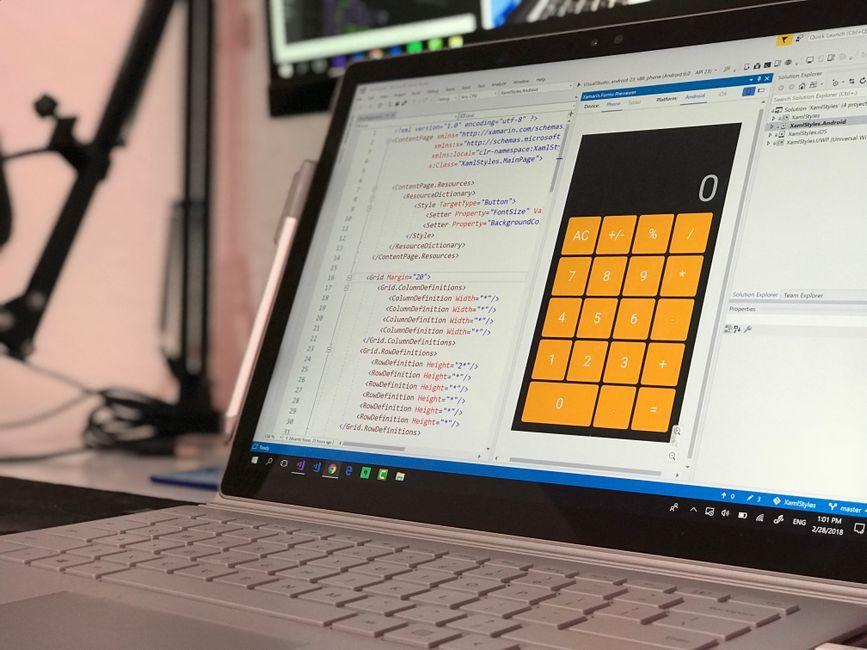
Stock photo for illustration only, not from the actual event
- Shift from rote memorization to structured analytical thinking
- Use the out-loud explanation ritual before typing any code
- Determine Time and Space complexity (Big O) in advance
- Avoid inefficient brute-force loops during interviews
Staring at a screen with heart pounding while a mock interview timer ticks down is a familiar anxiety. The Two Sum problem seems straightforward, yet diving straight into a brute-force O(n²) loop often leads to missing edge cases like using the same element twice. Thirty minutes of frustration later, closing the tab feels like losing a boss fight in Dark Souls without learning any patterns.
That frustration prompted a vital question: why keep solving identical problems without improving? The realization struck that treating LeetCode like a memorization drill rather than a thinking workout was the core flaw. Understanding had to precede execution.
Algorithm training platforms often trap beginners in the habit of memorizing solutions rather than building mental models for problem-solving. Articulating a structured plan out loud engages the prefrontal cortex, transforming abstract logic into a concrete roadmap and exposing knowledge gaps before coding begins.
The game-changing ritual became "Explain Out Loud Before You Code," mirroring a rubber-duck debugging approach where developers articulate their exact strategy using a precise template:
- State the problem name and clearly define input and output
- Outline the high-level strategy and the reasoning behind it
- Explain the exact method for handling edge cases
- Define the expected Time Complexity and Space Complexity using Big O notation
Applying this script to Two Sum shifts the approach from nested loops to utilizing a hash map to store complements (target - num). This drops the time complexity to O(n) while checking map entries beforehand prevents reusing the same element.
"I need to solve Two Sum. The input is a list of integers nums and an integer target. The output must be a list of the two indices whose values add up to target. My plan is to iterate through the list once..."
Timevolt
To practice, pick any previously challenging easy LeetCode problem such as Reverse Integer, Palindrome Number, or Maximum Subarray. Notice how smoothly solutions flow once the cognitive heavy lifting is completed through spoken explanation.

Stock photo for illustration only, not from the actual event
Source: Dev.to
Found something wrong in this article? Report an issue with this article
Comments
Leave a Comment