

UK Drought 2026: How soon will dry weather end with rain
Examining the UK drought crisis as experts warn that a few days of rain are not enough to reverse months of depleted soil moisture and groundwater levels.
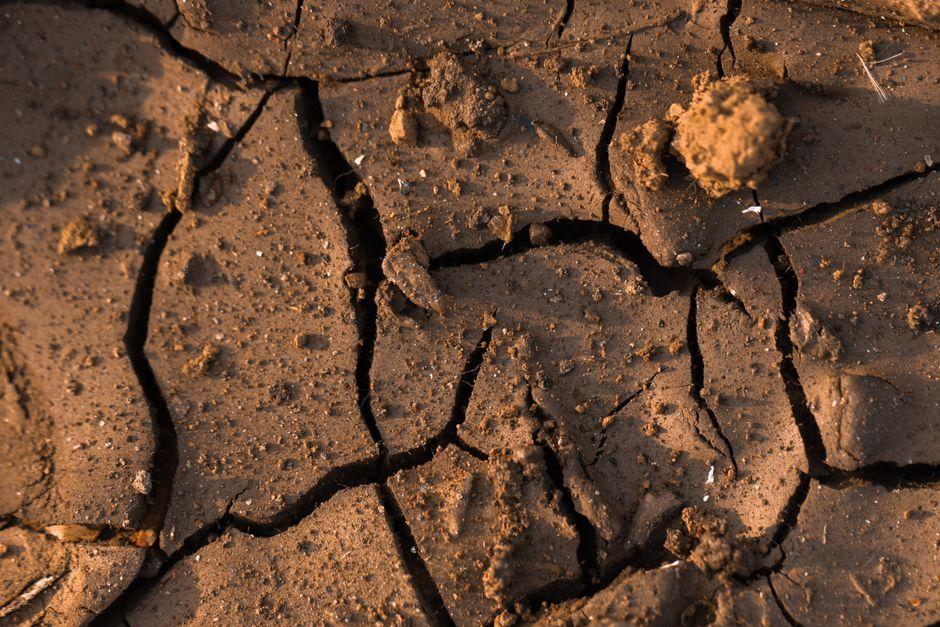
Stock photo for illustration only, not from the actual event
- Droughts in the UK do not end immediately simply due to a few days of heavy rainfall.
- Recovery requires water to seep back into soil and underground aquifers over several months.
- Higher than average temperatures and evaporation have severely depleted natural water stores.
- Scientists warn that climate change is driving rapid and volatile swings between droughts and floods.
Following the return of rain to parts of the UK this week, many people are asking when the current drought will officially end and how much precipitation is required to restore normal conditions.
Dr. Katie Facer-Childs from the UK Centre for Ecology & Hydrology explains that there is no straightforward answer to when the drought might conclude, as it stems not only from a lack of rainfall but also from higher than average temperatures.
The progression of drought moves through distinct stages, beginning with meteorological drought where rainfall drops below normal, followed by soil moisture drought affecting agriculture. Soil acts like a reservoir, and its stores are depleted by thirsty vegetation and high evaporation rates during hot weather, eventually leading to declining river flows and groundwater levels.
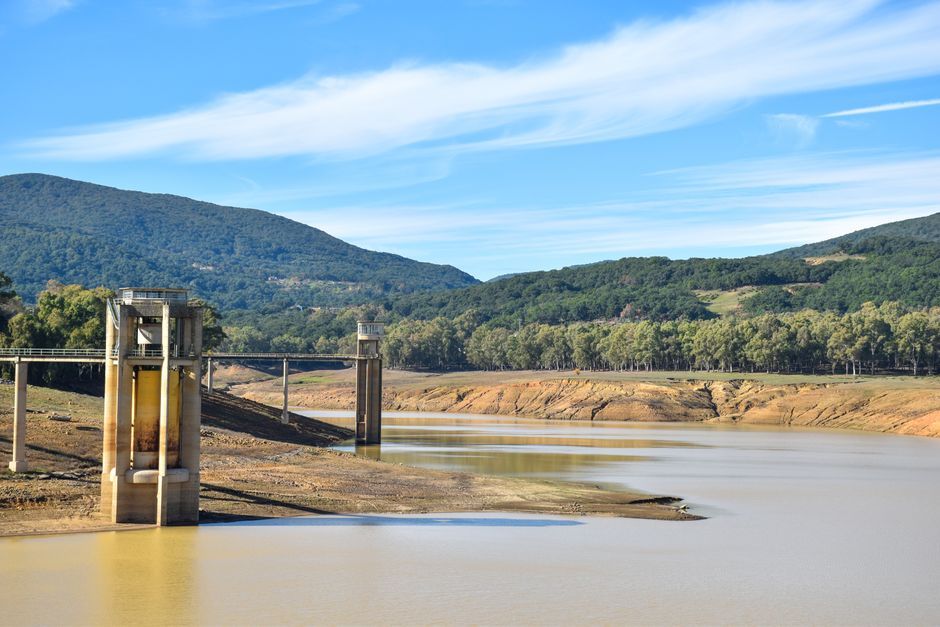
Stock photo for illustration only, not from the actual event
The current drought conditions highlight deeper structural challenges in how landscapes manage water. Historical alterations to natural river pathways and peatlands have accelerated runoff, transforming what should be retained moisture into rapid flood risks when heavy rain finally arrives.
The British Geological Survey notes, however, that no groundwater sites across the UK are currently reporting record lows, with nearly half remaining at normal levels. The first clear signs of recovery usually appear in late autumn and winter, allowing experts to determine if water is successfully reaching underground aquifers.
Dr. Kevin Collins, senior lecturer in environment and systems at The Open University, points out that people often assume the drought is over as soon as autumn rains arrive. In reality, sustained rainfall over several months is required, and hydrologists typically know by February or March whether reservoirs have been replenished, though environmental recovery can take years.
"Floods and droughts are two sides of the same coin."
Prof Tim Palmer
Prof Tim Palmer of Oxford University warns that a dry winter would make the situation catastrophic for the UK next year. While there are signals of a wetter autumn influenced by global ocean changes and El Niño, considerable uncertainty remains regarding long-term precipitation patterns.
Source: BBC Science & Environment
Found something wrong in this article? Report an issue with this article
Comments
Leave a Comment