

Ukrainian drones overwhelm Russian tanks' new protection
Ukrainian drones continue to successfully breach Russian tanks equipped with new active protection systems designed to shoot down incoming aerial threats.
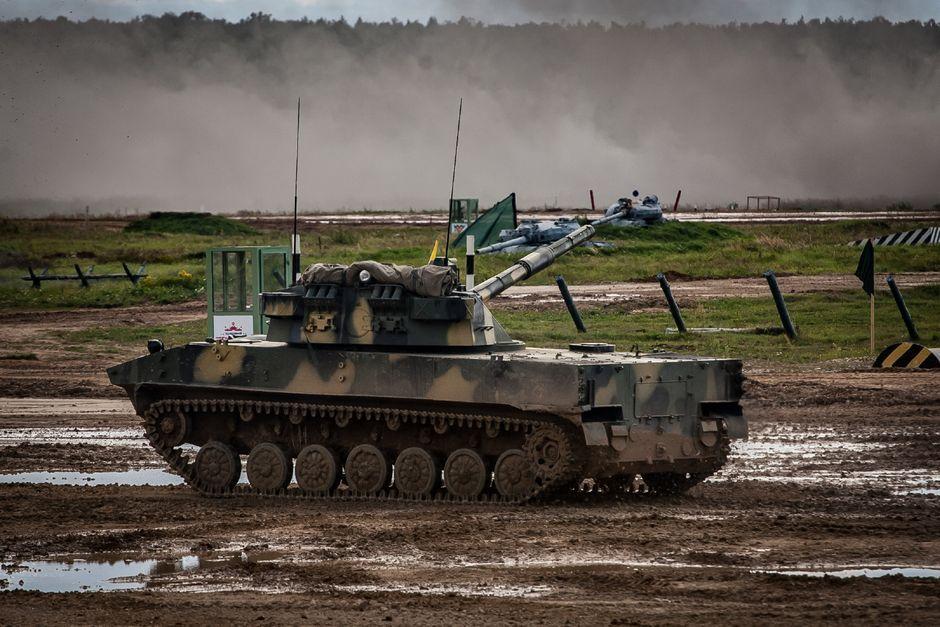
Stock photo for illustration only, not from the actual event
- Russian tanks with anti-drone tech remain vulnerable
- Active protection systems face hurdles in real combat
- Ukrainian drones maintain the upper hand against new armor
Modern battlefield dynamics continue to demonstrate that newly introduced defensive technologies for armored vehicles are still falling short against relentless aerial threats. Despite efforts by Russian forces to equip their tanks with specialized systems meant to shoot down incoming drones, real-world effectiveness remains limited.
Reports indicate that armored units outfitted with these latest active defense configurations are still taking damage from Ukrainian drone operations. This ongoing trend highlights the immense difficulties in shielding ground vehicles amidst a rapidly evolving drone warfare environment.
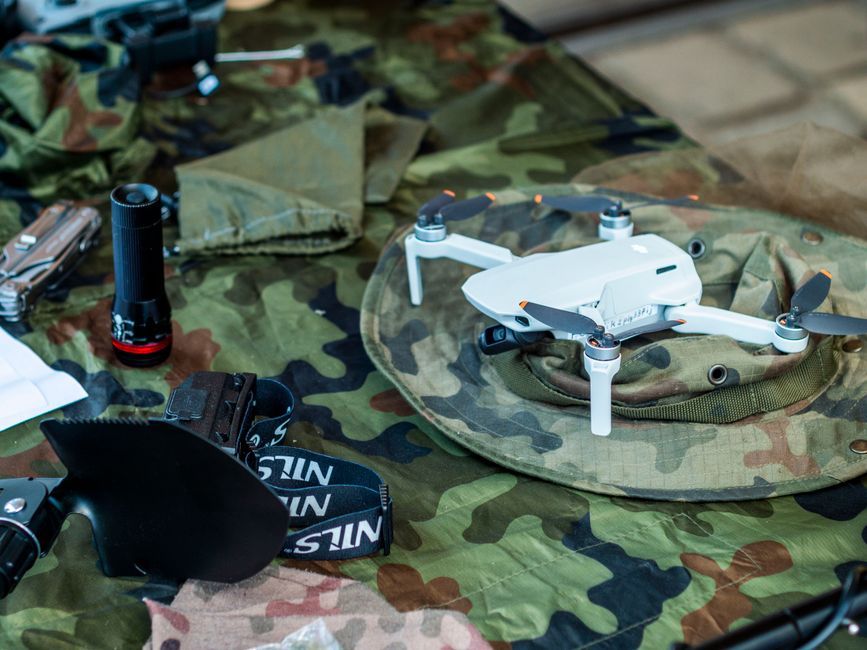
Stock photo for illustration only, not from the actual event
Active Protection Systems (APS) typically rely on onboard radars and sensors to detect incoming threats and deploy countermeasures to intercept them before impact. However, nimble FPV drones capable of attacking from high angles or blind spots often exploit the reaction-time limits of systems originally engineered to counter traditional anti-tank guided missiles.
Efforts to upgrade military hardware to match small aerial threats will undoubtedly persist, but developers face a continuous race against time as frontline tactics shift faster than traditional defense procurement cycles can adapt.
Source: Ars Technica
Found something wrong in this article? Report an issue with this article
Comments
Leave a Comment