

MIT engineered bacteria transistors for living circuits
MIT researchers designed five bacterial strains to act as transistors and relays, paving the way for smart agricultural sensors.
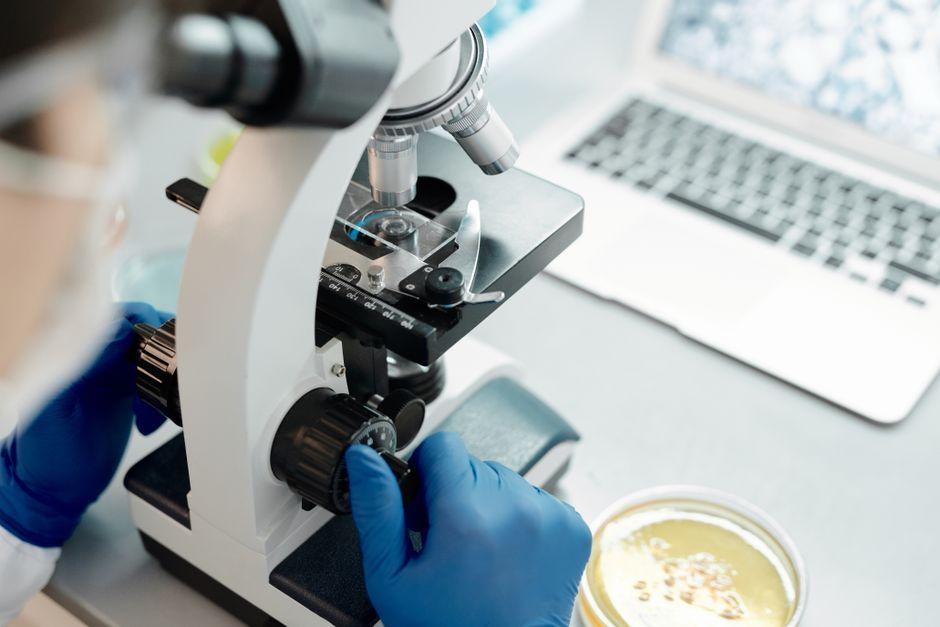
Stock photo for illustration only, not from the actual event
- MIT researchers engineered five bacterial strains to function as transistors and signal relays on petri dishes.
- An acoustic liquid handler spaces colonies five millimeters apart to direct molecular signal flow.
- The largest biological circuit connects 24 bacterial groups and takes about eight hours per calculation.
- The long-term goal is to embed smart sensors on plant leaves or roots to combat drought and pests.
Engineers at the Massachusetts Institute of Technology (MIT) have successfully engineered bacterial cells to act as transistors, the fundamental building blocks of computers. Published in Nature Chemical Biology, the research team designed five bacterial strains divided into two types of transistors and three signal relays. When arranged on agar, these cellular groups form living circuits capable of executing logical computations from addition to targeted signal routing.
Traditional synthetic biology approaches often pack entire circuits into a single cell, which creates limitations regarding crosstalk and cellular overload. The MIT team instead designed each cell to function as a single transistor, assembling them like an electronic circuit board. Using Pantoea agglomerans, a bacterium that grows well on plant surfaces, they built switches turned on or off by OC-6 molecules, alongside three other strains acting as OHC-14 signal relays.
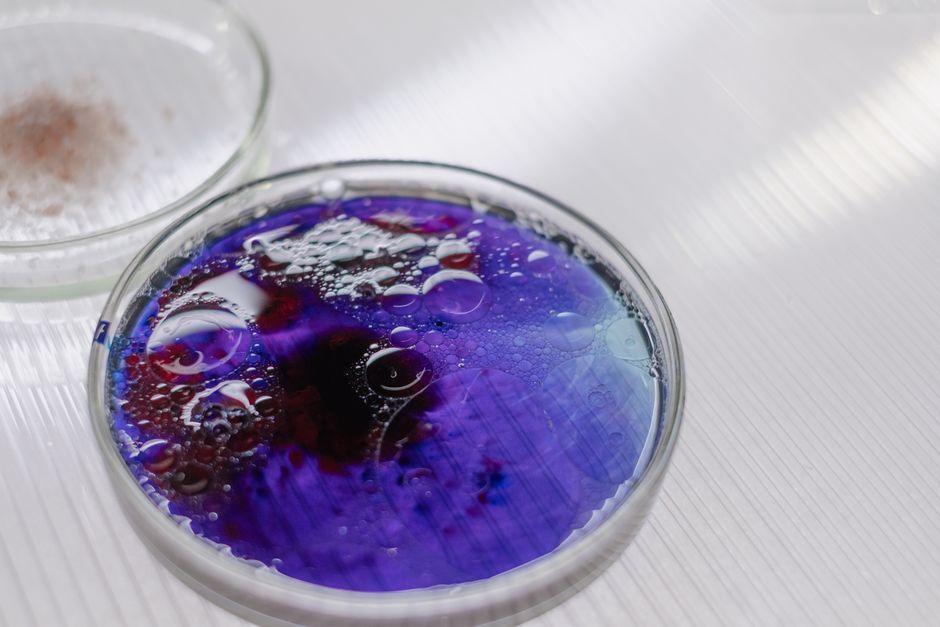
Stock photo for illustration only, not from the actual event
Colonies are printed on agar using an acoustic liquid handler, placing each group about five millimeters apart so molecules diffuse only to neighboring colonies in a designated direction. Changing circuit functions requires only altering the spatial layout without modifying bacterial genetics. The largest circuit connects 24 bacterial groups to add input values, taking roughly eight hours per computation—slow compared to silicon, but practical for biological applications.
"We built some of the foundational computer architecture parts that are commonly used, but every operation can be built from these five strains."
Hamid Doosthosseini, MIT postdoctoral researcher
This development overcomes major scaling bottlenecks in synthetic biology by distributing computational tasks across modular cellular units. While speeds cannot compete with traditional electronics, embedding computation directly into living organisms enables breakthrough agricultural applications, allowing plants to autonomously synthesize antifungal agents or respond to environmental stress at the root level.
The long-term vision aims to embed computational power directly into plant leaves and roots to monitor and react to environmental conditions. Supported by DARPA and IARPA, the research was led by Hamid Doosthosseini and Haorong Chen under the supervision of Christopher Voigt, head of MIT's Department of Biological Engineering.
Source: Techsauce
Found something wrong in this article? Report an issue with this article
Comments
Leave a Comment