

SPEAR-H Demo Day 2026: Supporting Thai HealthTech
The SPEAR-H Demo Day 2026 on Aug 4 at VIE Hotel Bangkok unites NIA and hospitals to propel 12 Thai HealthTech startups into real-world use.
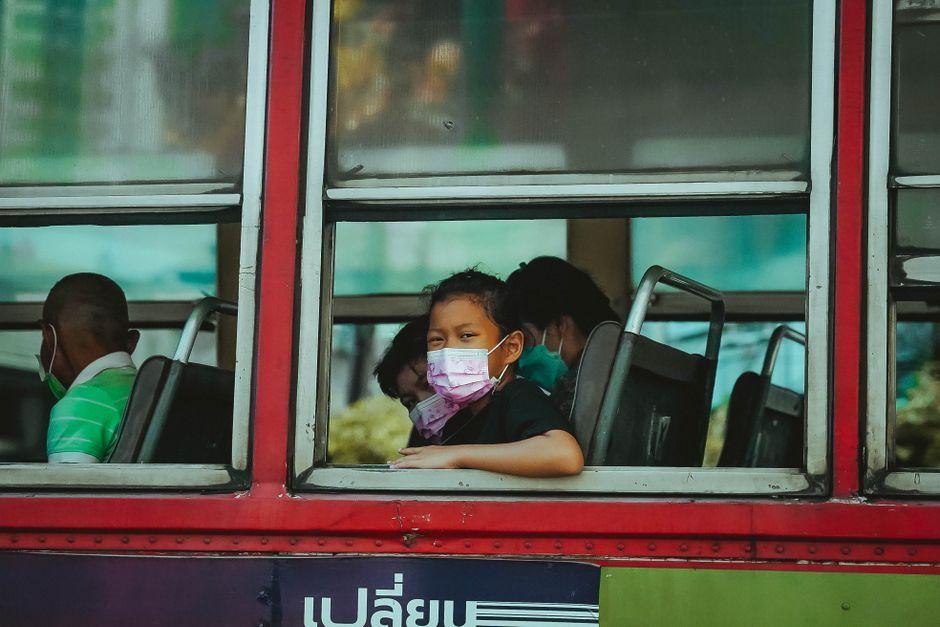
Stock photo for illustration only, not from the actual event
- SPEAR-H hosted a Demo Day showcasing 12 healthcare startup solutions
- Collaborative effort by NIA, Mahidol University, and Praram 9 Hospital
- Focusing on co-creation models between medical staff and developers
- Innovations categorized into four key areas from diagnostics to care
Developing health technology goes far beyond creating a working product; the true challenge lies in proving its safety, cost-effectiveness, and real-world applicability within actual clinical environments while meeting strict regulatory standards.
These vital topics took center stage at the SPEAR H HealthTech Acceleration Demo Day held on August 4, 2026, at the VIE Hotel Bangkok. The event brought together healthcare experts, government officials, investors, and 12 startup teams to bridge the gap between laboratory research and hospital deployment.
The accelerator is a collaborative initiative between the National Innovation Agency (NIA), Mahidol University's Institute for Technology and Innovation Management (INT), Mahidol university-affiliated hospitals, and Praram 9 Hospital. Dr. Krithpaka Boonfueng, Executive Director of NIA, emphasized the role of the agency in aligning all stakeholders toward commercial readiness.
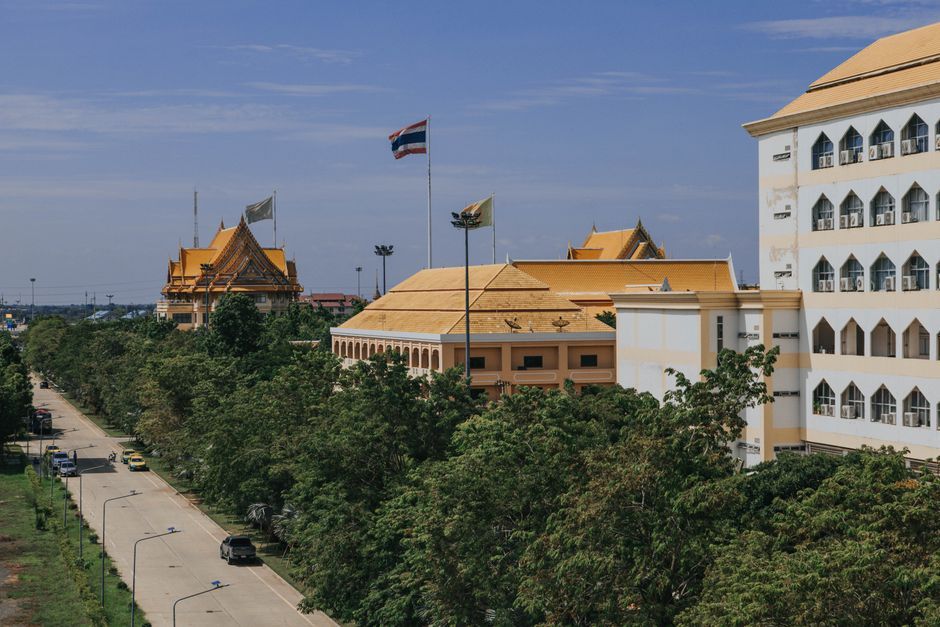
Stock photo for illustration only, not from the actual event
Prof. Dr. Viriya Techarungroj, Director of INT Mahidol University, added that the platform leverages university knowledge and networks to provide startups with business mentorship and testing grounds within partner hospitals to refine their products based on genuine user feedback.
A core discussion theme shifted the narrative from hospitals simply purchasing technology to co-creating solutions alongside innovators. Dr. Wittaya Wanpen, Deputy Managing Director of Praram 9 Hospital, highlighted that smart healthcare must stem from frontline pain points such as diagnostic access and administrative burdens.
"HealthTech ventures cannot grow solely on technology; they need spaces to test, listen to real users, and adapt business models with healthcare providers."
Dr. Warin Rachananurak
Pushing HealthTech forward in Thailand reflects ongoing efforts to overcome the commercialization bottleneck often referred to as the Valley of Death. Involving hospitals early in the development pipeline significantly lowers adoption barriers and increases startup survival rates.
The 12 selected teams, filtered from over 70 applicants, address four major healthcare challenges in Thailand:
- Diagnostics and medical security: K. Biosciences, Zenostic, BI Craft, and RAMAAI
- Hospital workflow optimization: Sati, MOE Research, and HealthTech Solution
- Precision medicine and prevention: Precisionize, AThenaAI, and AquaTrek Solution
- Remote and home care: FitSloth and Kalguroo
Source: Techsauce
Found something wrong in this article? Report an issue with this article
Comments
Leave a Comment