

The 2% Fee Behind the American Travel Boom
Uncapped credit card interchange fees fuel the U.S. travel economy, with Delta pulling in $8.2 billion from American Express in 2025.

Stock photo for illustration only, not from the actual event
- U.S. airline and hotel loyalty programs thrive on uncapped interchange fees.
- Delta collected $8.2 billion from American Express in 2025 alone.
- Unlike the EU and Australia, the U.S. does not cap merchant credit card fees.
- The Credit Card Competition Act poses significant regulatory risks to this model.
The premium travel economy in the United States runs on the exceptionally lucrative economics of the domestic credit card system. Every single card swipe at grocery stores and restaurants generates interchange fees for issuing banks, forming the hidden financial bedrock of modern travel perks.
Known as interchange fees, these merchant-paid charges remain completely uncapped in the U.S., unlike in most other wealthy economies. The elaborate loyalty programs, co-branded credit cards, and bank-operated airport lounges that define American travel all sit squarely on top of this revenue stream.
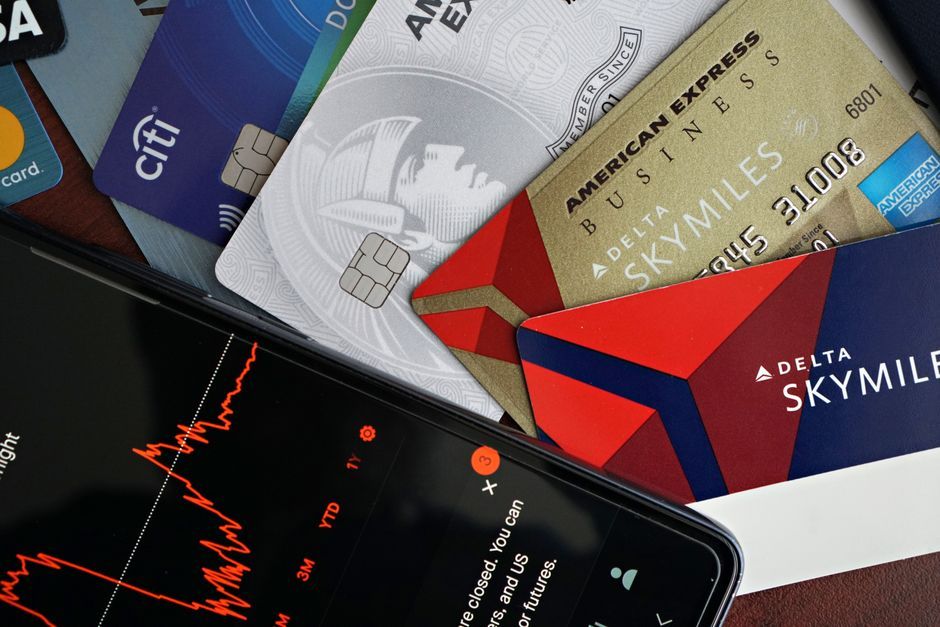
Stock photo for illustration only, not from the actual event
The financial scale is staggering. Delta collected $8.2 billion from American Express in 2025, accounting for roughly 14% of its adjusted operating revenue and approximately 1.4 times its operating income, with expectations to reach $10 billion. Meanwhile, American Airlines brought in $6.2 billion from co-brand partners and secured a 10-year exclusive deal with Citi projected to add about $1.5 billion annually.
This business model functions because U.S. regulators have consistently declined to cap interchange fees, diverging sharply from the EU, UK, and Australia where regulatory caps caused rewards programs to scale back significantly. Federal Reserve research estimates that rewards cards cross-subsidize wealthier cardholders by redistributing roughly $15 billion annually from lower-income and cash-paying consumers through inflated retail prices.
The contrast between the U.S. and international markets highlights how dependent American travel profitability is on regulatory leniency. If lawmakers implement strict fee caps similar to international standards, airlines and hotel operators would face severe pressure to fundamentally restructure their loyalty economics.
Pending legislative efforts like the Credit Card Competition Act, alongside a massive $38 billion Visa and Mastercard settlement, introduce substantial regulatory risks. While airlines and card-issuer-funded groups engage in heavy lobbying, the industry continues to bet that reform will ultimately fail to pass in Congress.
Source: Skift
Found something wrong in this article? Report an issue with this article
Comments
Leave a Comment