

UKHSA declares national outbreak of salmonella food poisoning
UK health agency reports over 200 salmonella cases and one death, pointing to imported eggs as the prime suspect in the outbreak.
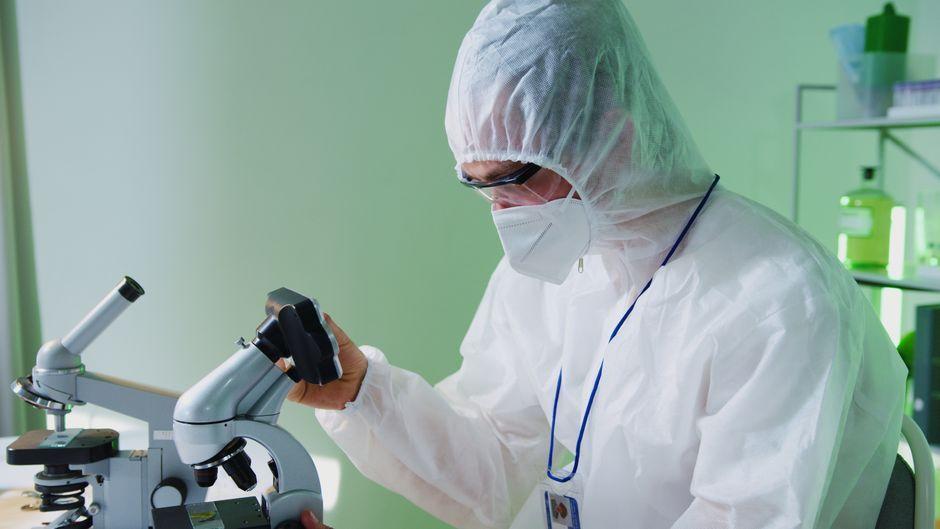
Stock photo for illustration only, not from the actual event
- UKHSA declares a national salmonella outbreak with over 200 cases and one death.
- Evidence suggests most people caught the bug eating out rather than at home.
- Genetic sequencing confirms all bacterial strains involved share a common source.
- Imported eggs and dishes containing them have emerged as the primary suspects.
The UK Health Security Agency has officially declared a national outbreak of salmonella food poisoning following one reported death and hundreds of illnesses linked to the bacterial bug. Although not yet definitively proven, imported eggs and dishes containing them are currently considered the leading suspected causes of the contamination.
Evidence also suggests that the majority of affected individuals contracted the infection while dining out rather than preparing meals at home, with commercial food services such as restaurants, cafes, and take-aways likely playing a role. Nonetheless, many questions regarding the exact origin remain unanswered at this stage.
Salmonella bacteria typically inhabit the digestive tracts of animals including pigs, cattle, and chickens, which explains why poultry and eggs are frequently associated with the infection. Common pathways for contracting the illness include:
- Consuming contaminated food products that have not been properly cooked.
- Direct contact with infected animals.
- Cross-contamination in the kitchen by mixing raw and cooked foods together.
Symptoms to watch out for include abdominal cramps, diarrhea, vomiting, and fever, which typically manifest between 12 and 72 hours after exposure. While most individuals recover unassisted, vulnerable groups such as the elderly, infants, and immunocompromised persons face a significantly higher risk of developing severe complications.

Stock photo for illustration only, not from the actual event
Recent statistics indicate that 199 out of the 207 total cases occurred in England, including 47 in London and 38 in Yorkshire and Humber. An additional six cases were reported in Scotland, alongside one in Wales and one in Northern Ireland. Although infections are geographically dispersed, scientists deployed whole-genome sequencing to reveal that the bacterial strains are closely related.
Laboratory tests demonstrate only minor differences in their DNA sequences, confirming that these infections stem from a single outbreak with a common source. UKHSA experts interviewed 114 affected individuals, whose responses highlighted eggs as the strongest clue, with 24 cases linked to five unnamed businesses and 11 reporting egg-based dishes.
"At this time there is no identified link to UK-produced eggs or poultry."
UKHSA
The application of whole-genome sequencing in modern epidemiology serves as a critical tool, allowing researchers to track genetic variations and trace pathogens to their exact source with molecular precision. Unlike traditional patient interviews alone, DNA analysis can definitively prove whether geographically scattered patients share a single common exposure point rather than experiencing isolated local outbreaks.
Jacquelyn McCormick, head of incidents at the Food Security Agency, noted that standard safety advice remains unchanged: thoroughly cooked eggs handled with proper hygiene present no food safety risk. However, vulnerable groups should consume runny or raw eggs exclusively if they carry the British Lion mark or are produced under the Laid in Britain scheme.
Health experts and local authorities continue to investigate the entire supply chain, interview confirmed cases, and inspect involved businesses to trace the precise country of origin and curb further transmissions.
Source: BBC Health
Found something wrong in this article? Report an issue with this article
Comments
Leave a Comment