

HoverAir Versa camera drone tests FCC loophole
Zero Zero Robotics launches the $750 HoverAir Versa on Indiegogo, claiming it is a steadycam with snap-on flight accessories.
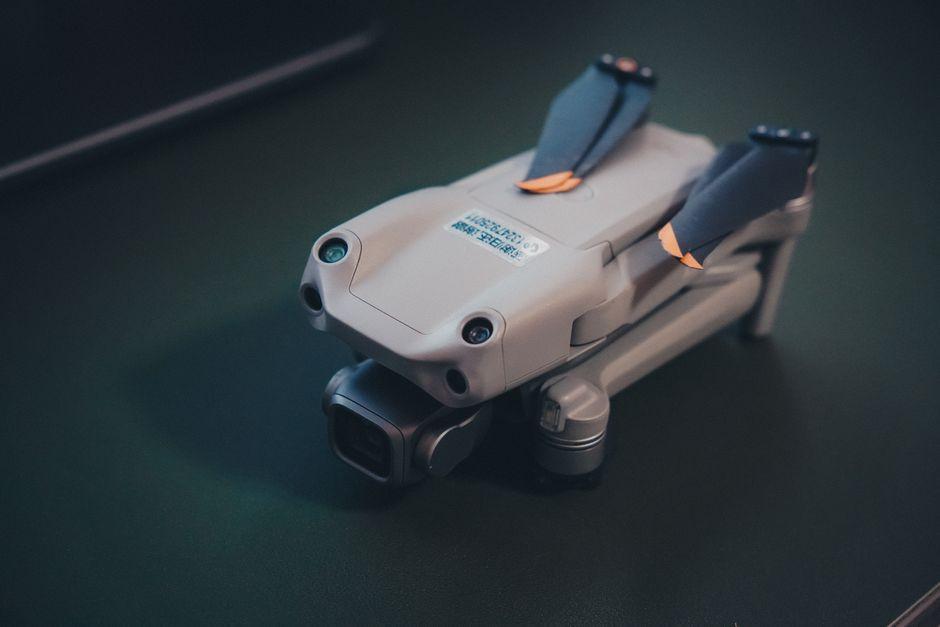
Stock photo for illustration only, not from the actual event
- HoverAir Versa launched on Indiegogo for $750
- The company claims the device is a mini steadycam, not a drone
- Propeller wings connect via copper contacts as an accessory
- The FCC approved the camera certification on August 9th
Zero Zero Robotics, the maker behind HoverAir drones, is attempting a novel strategy to navigate foreign drone restrictions in the United States. Following the U.S. government's ban on future foreign drones enacted in December 2025, the company's floating Aqua drone became an early casualty of the shifting regulatory landscape.
Now, the manufacturer has introduced the HoverAir Versa, positioning the device not as a drone, but as a DJI Pocket-style mini steadycam. Users can attach optional snap-on propellers to transform the camera into a flying device whenever aerial footage is needed.
Anita Facundo, global marketing director at HoverAir, told The Verge that the flight kit functions as an accessory that extends the capabilities of the core product, ensuring full compliance with applicable regulatory requirements for customers in the United States.
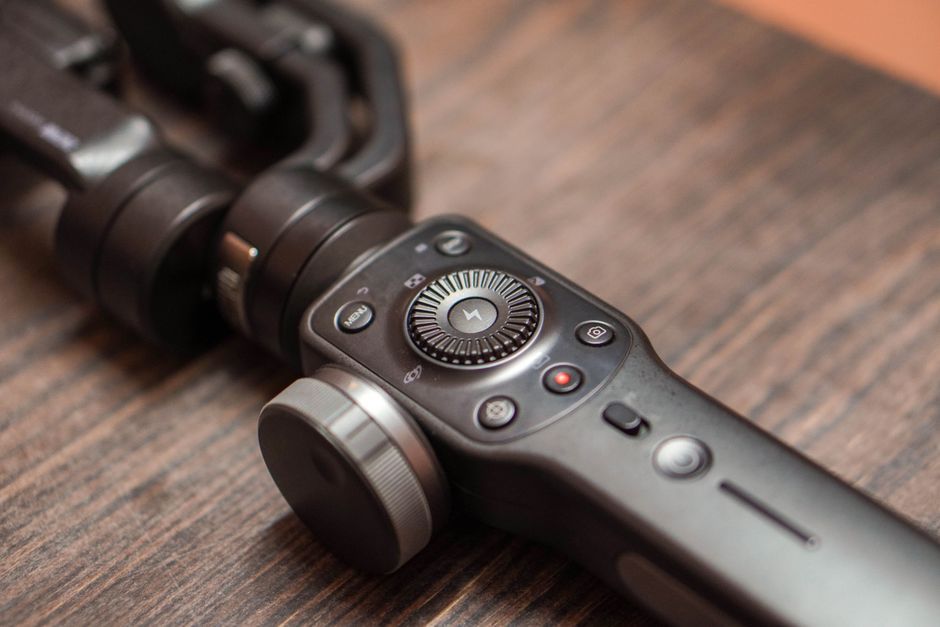
Stock photo for illustration only, not from the actual event
Public records show that a private Telecommunications Certification Body acting as an FCC agent approved the paperwork on August 9th. HoverAir submitted documentation solely for the camera portion of the device, noting that camera hardware was not explicitly targeted by the 2025 National Defense Authorization Act restrictions that focused on brands like DJI and Autel Robotics.
"The Flight Kit is an accessory that extends VERSA’s capabilities. Therefore, HOVERAir is in full compliance with the applicable regulatory requirements for the full product configuration offered to US customers."
Anita Facundo
However, the regulatory reality remains complex. The FCC ban applies not only to complete drones but also to critical unmanned aerial system components, and cameras housing wireless radios fall directly under federal oversight. The agency retains the authority to reverse private certifications within a 30-day window if it determines the hardware circumvents the intended policy.
This loophole highlights how hardware manufacturers attempt to creatively adapt to shifting geopolitical trade policies. While outsourcing initial approvals to private certifiers speeds up product launches, federal regulators retain ultimate oversight authority and can revoke decisions if a product's dual-function nature effectively circumvents existing hardware bans, introducing notable regulatory risk for crowdfunding backers.
Source: The Verge
Found something wrong in this article? Report an issue with this article
Comments
Leave a Comment