

Exploring 5 Risk Zones for Flood-Evading Reptiles at Home
Discover 5 hidden risk areas in homes during floods where reptiles seek shelter, along with safety tips and 24/7 hotlines.

Stock photo for illustration only, not from the actual event
- Shoes, socks, and piles of cloth on the floor are top hiding spots
- Toilets and drainage pipes serve as common entry points for snakes
- Always inspect and shake clothes and shoes before wearing them
- Call 199 or 1669 immediately if venomous animals cannot be managed
During flooding situations, rising waters push not only humans to evacuate but also drive various reptiles and venomous creatures to seek shelter inside residential homes. Understanding these risk areas and knowing how to prepare is vital to safeguarding family members from unexpected hazards.
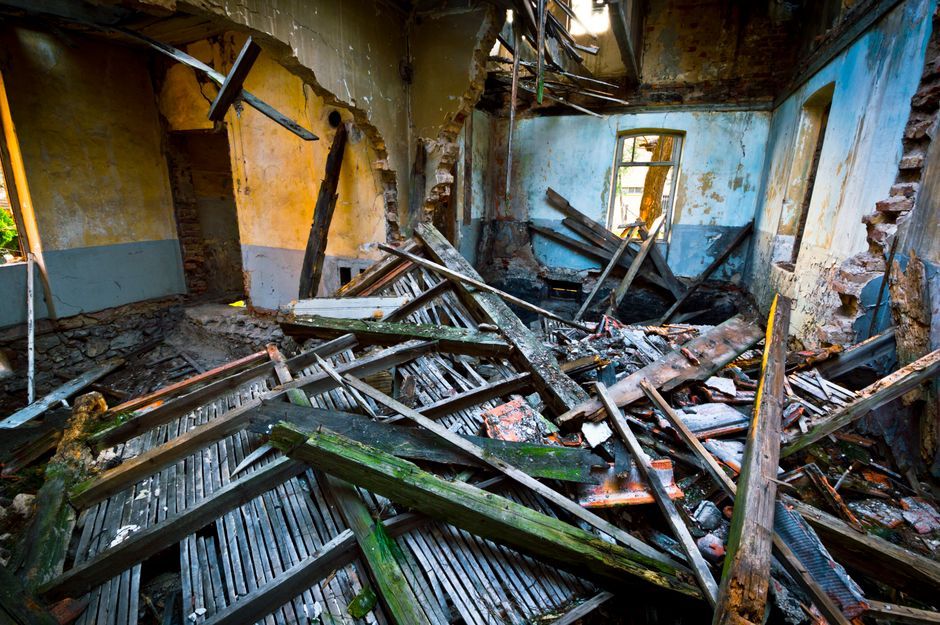
Stock photo for illustration only, not from the actual event
The first high-risk area requiring special caution is shoes, socks, and piles of fabric on the floor. Enclosed shoes, boots, or discarded garments left on the floor often become damp, dark corners where small snakes, centipedes, or scorpions love to coil up. The second risk zone consists of toilets, drainage pipes, and bathrooms, as reptiles such as snakes frequently swim through wastewater pipes to emerge inside toilet bowls or hide beneath seat covers.
The third danger zone includes cabinets, space under beds, and dark shelving corners. Areas beneath sleeping quarters, inside wardrobe gaps, or under undisturbed work desks provide quiet retreats for reptiles avoiding humans. The fourth zone is kitchens and areas near food waste, where monitor lizards or rats often escape floodwaters by hiding under sinks or kitchen storage cabinets to forage for leftover food. Finally, the fifth risk zone is storage rooms and makeshift flood-protection material piles, where hastily piled belongings create dark, narrow gaps ideal for reptiles to nest.
If reptiles are detected or you wish to prevent them from entering your home during a flood, follow strict safety guidelines. Begin by shaking and inspecting clothing and footwear before wearing them every time, use flashlights to check dark corners before walking, close toilet lids after use, cover drain openings with grates, and seal gaps under doors or wall cracks. Keep your house airy, clean regularly, clear clutter, and trim tree branches touching the house structure to reduce hiding spots.
"Never attempt to catch them by yourself under any circumstances."
Safety protocol when encountering venomous reptiles
During natural disasters like floods, wild creatures rely heavily on their survival instincts to escape rising water levels. Their presence inside human dwellings is driven purely by the search for dry ground and temporary refuge rather than malicious intent. Recognizing these behavioral patterns allows homeowners to mitigate risks effectively while maintaining safety.
If you encounter reptiles or venomous animals at home and cannot handle the situation independently, remain calm, maintain a safe distance of at least 2 meters, observe their movement direction, and contact professional rescue services immediately through 24-hour hotlines: dial 199 for rescue and disaster relief, 191 for police emergency response, or 1669 for medical emergencies in case of venomous bites.
Source: Thairath Lifestyle
Found something wrong in this article? Report an issue with this article
Comments
Leave a Comment