

Moderna and Merck personalized cancer vaccine stops recurrence
A phase 3 trial shows a new personalized mRNA vaccine combined with Keytruda stopped high-risk melanoma skin cancer from returning in over 1,000 patients.

Stock photo for illustration only, not from the actual event
- Personalized cancer vaccine developed by Merck and Moderna
- Administered alongside immunotherapy drug Keytruda for melanoma
- Phase 3 trial involved more than 1,000 skin cancer patients
- mRNA technology utilized to target specific tumor mutations
Medical research has reached a potential watershed moment after pharmaceutical firms Merck and Moderna announced that a new personalized skin cancer vaccine has successfully stopped the disease from returning in trial patients following surgery. The jab is engineered to train the immune system to recognize and eliminate remaining cancer cells tailored specifically to each individual patient.
The vaccine, named Intismeran, was administered in combination with Keytruda, an established immunotherapy drug used in cancer care. Compared with receiving Keytruda alone, the combination therapy significantly extended the period patients remained cancer-free and lowered the risk of the disease spreading to other vital organs, according to the two companies.
The phase three trial involved over 1,000 patients suffering from high-risk stage two, three, or four melanoma, ranging from localized large tumors to cases where the cancer had already metastasized. To formulate the vaccine, scientists harnessed mRNA technology—previously deployed for certain Covid-19 vaccines—by surgically extracting a small sample of a patient's tumor and sequencing its DNA to target precise mutations within the cancer cells.
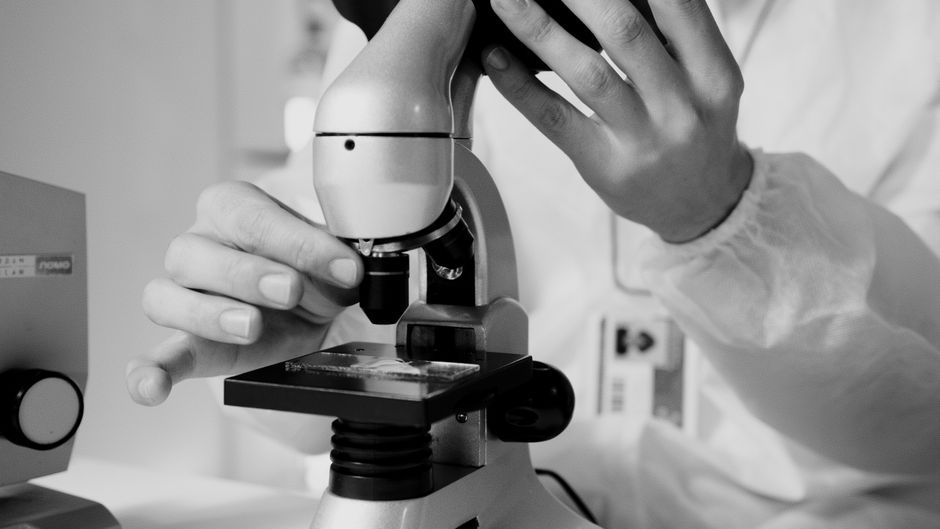
Stock photo for illustration only, not from the actual event
"This is a pivotal moment in the field of cancer research."
Building on these findings, the two pharmaceutical companies are currently testing similar personalized vaccines targeting lung, bladder, and kidney cancers to broaden the scope of this therapeutic approach.
Messenger RNA technology functions as a molecular blueprint that instructs cells to build specific proteins. In oncology, a personalized mRNA vaccine delivers genetic instructions that teach the patient's immune system to identify unique mutated neoantigens on their own tumor cells, prompting a targeted immune response without harming healthy surrounding tissue, unlike conventional chemotherapy.
Despite the promising breakthrough, cancer experts emphasize caution as the full study results have not yet been released or peer-reviewed by independent specialists. Furthermore, even after clinical trials conclude, the treatment must secure approval from regulatory bodies and complete additional evaluation processes before becoming available on the NHS.
Source: BBC Health
Found something wrong in this article? Report an issue with this article
Comments
Leave a Comment