

Amazon aims delivery drones for 500 US neighborhoods by 2026
Amazon expands its Prime Air delivery drone service, targeting 500 US neighborhoods by the end of 2026 while residents face new trade-offs.
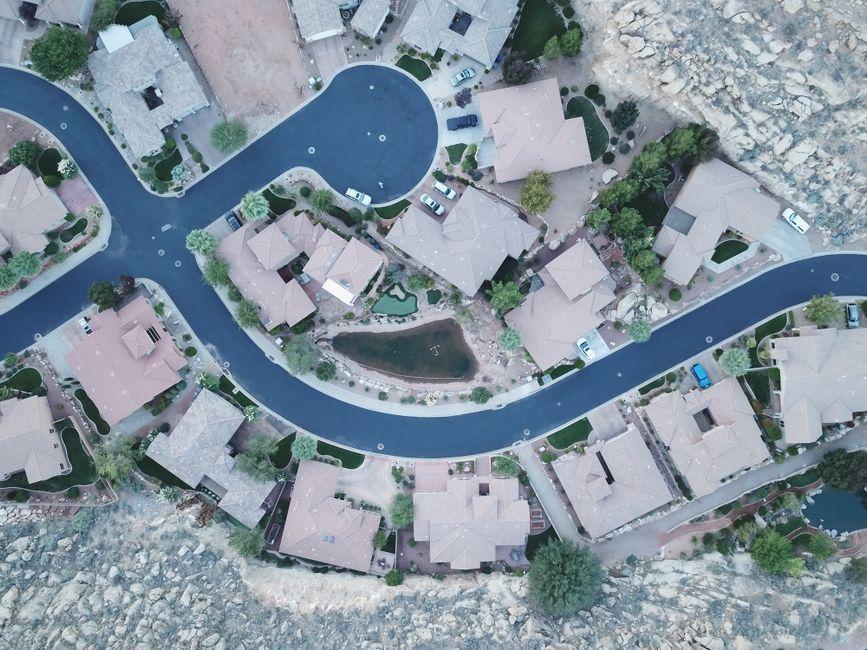
Stock photo for illustration only, not from the actual event
- Amazon targets 500 US neighborhoods for its delivery drone service
- The expansion is scheduled to be completed by the end of 2026
- US residents face trade-offs as Prime Air services expand
- Drone delivery continues to reshape last-mile logistics
Delivery drone services are scaling up as Amazon pushes to broaden the reach of its Prime Air program. The company has set an ambitious goal to bring autonomous drone deliveries to 500 neighborhoods across the United States by the end of 2026, aiming to streamline package delivery times for consumers.
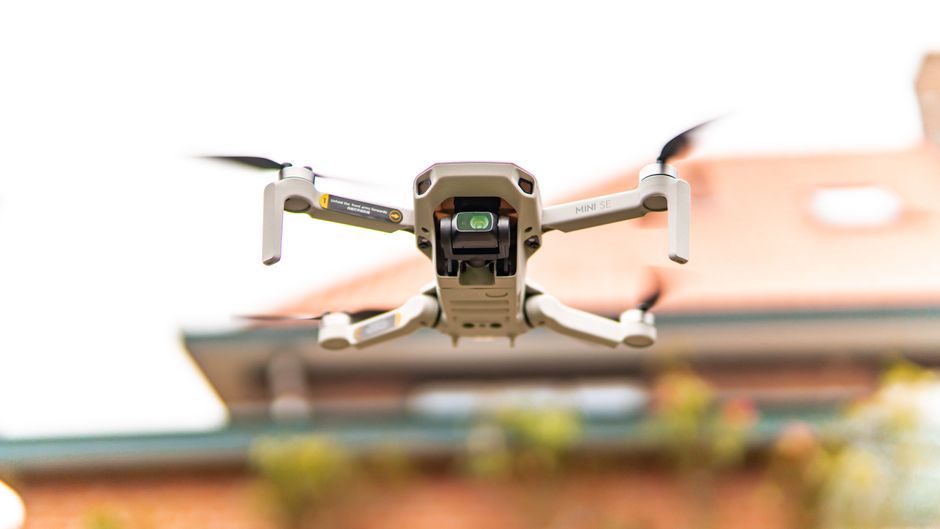
Stock photo for illustration only, not from the actual event
At the same time, this rapid expansion means that residents living in targeted areas will encounter various trade-offs. The integration of frequent drone flights into everyday residential life brings new considerations regarding neighborhood noise, privacy, and local airspace management.
Amazon's push to scale Prime Air highlights the ongoing race to optimize last-mile delivery logistics using autonomous technology. While reducing delivery times to minutes offers clear commercial advantages, balancing operational efficiency with community acceptance remains a primary hurdle. Regulatory frameworks and public feedback will heavily dictate how smoothly these aerial networks integrate into suburban environments.
The Prime Air initiative serves as a key indicator of how aerial logistics will evolve in the near future, forcing both companies and local communities to carefully weigh convenience against environmental and lifestyle impacts.
Source: Ars Technica
Found something wrong in this article? Report an issue with this article
Comments
Leave a Comment