

10 Essential Pantry Condiments for Cooking Hundreds of Meals
Discover 10 must-have kitchen staples to cut food expenses during high living costs, complete with easy meal pairings.
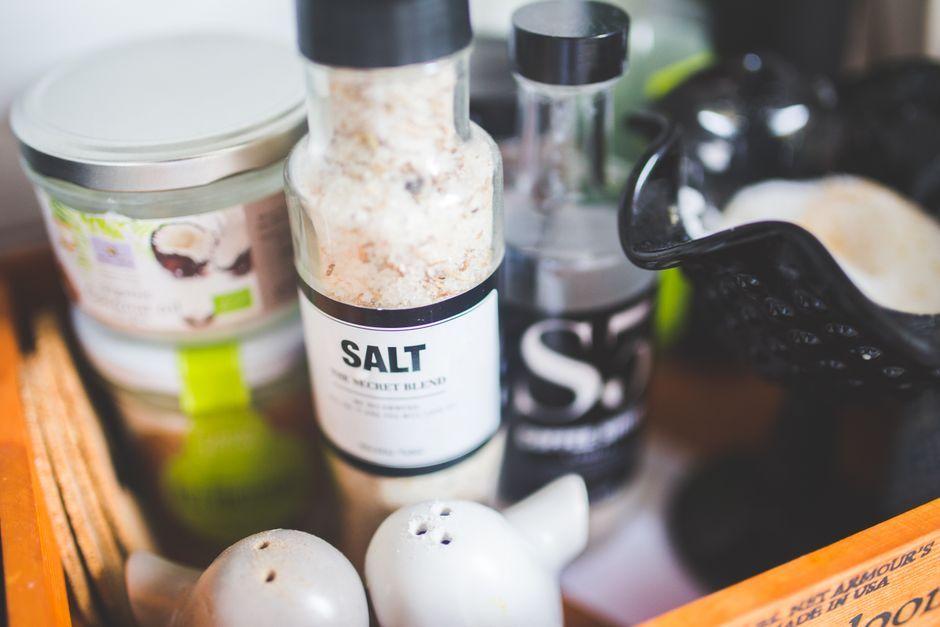
Stock photo for illustration only, not from the actual event
- Cooking at home cuts daily food expenses by 30-50%
- 10 basic condiments cover all essential taste profiles
- Initial investment of just a few hundred baht lasts months
Amidst rising living costs and escalating fast-food prices, preparing meals at home has emerged as a primary alternative for working professionals, condo residents, and modern families. Consumer spending data regarding food expenditure indicates that purchasing raw ingredients to cook independently can reduce daily financial burdens by up to 30 to 50 percent compared to ordering delivery services for every single meal.
The key to making home-cooking sustainable and engaging is not acquiring expensive ingredients, but rather establishing a set of essential pantry condiments that cover every dimension of flavor, including salty, sweet, sour, spicy, and umami. These components help transform basic ingredients such as eggs, chicken, pork, or local vegetables into hundreds of delightful dishes.
The 10 essential kitchen condiments that should be kept stocked at home include:
- Fish sauce: Provides a salty base and unique aroma for soups, curries, and dipping sauces.
- Light soy sauce: Offers a subtle saltiness suitable for stir-fried vegetables and clear soups.
- Oyster sauce: Adds richness, glossy texture, and sweet depth to stir-fries and marinades.
- Seasoning sauce: Delivers a stronger aroma for stir-fried dishes and fried eggs.
- Sugar: Acts as a crucial flavor balancer for salty and sour profiles.
- Chili and garlic: Deliver aromatic and spicy notes essential for local dishes.
- Cooking oils: Includes soybean oil for stir-frying and palm oil for high-heat frying.
- Bouillon cubes: A shortcut for savory broth preparation and meat marination.
- Lime: Creates refreshing sourness for spicy salads and soups.
- Ketchup: A powerful base for sweet and sour dishes or dipping fried foods.

Stock photo for illustration only, not from the actual event
Managing food budgets today goes beyond selecting budget-friendly ingredients. Understanding the chemical properties of each condiment, such as how oyster sauce reacts to high heat or how sugar and lime balance flavors, elevates home-cooking standards while enabling precise control over sodium intake and nutritional quality.
Furthermore, these staples can be categorized into practical menu groups with easy examples, such as stir-fries using oyster sauce, light soy sauce, garlic, and oil to make basil fried eggs; soup dishes using fish sauce, bouillon cubes, chili, and lime for canned fish soup; spicy salads using fish sauce, sugar, lime, and chili; and fried items using seasoning sauce, pepper, and garlic for garlic pork.
Investing in these 10 foundational condiments requires an initial outlay of just a few hundred baht while remaining functional for several months. When paired with economical ingredients such as eggs, tofu, seasonal vegetables, or canned goods, they enable the creation of diverse daily menus while effectively managing health and personal finances.
Source: Thairath Lifestyle
Found something wrong in this article? Report an issue with this article
Comments
Leave a Comment