

Trump threatens tremendous economic consequences over Iran aid
Donald Trump warns of crushing economic operations against any nation helping Iran after a 60-day ceasefire expires and the UAE cuts ties.
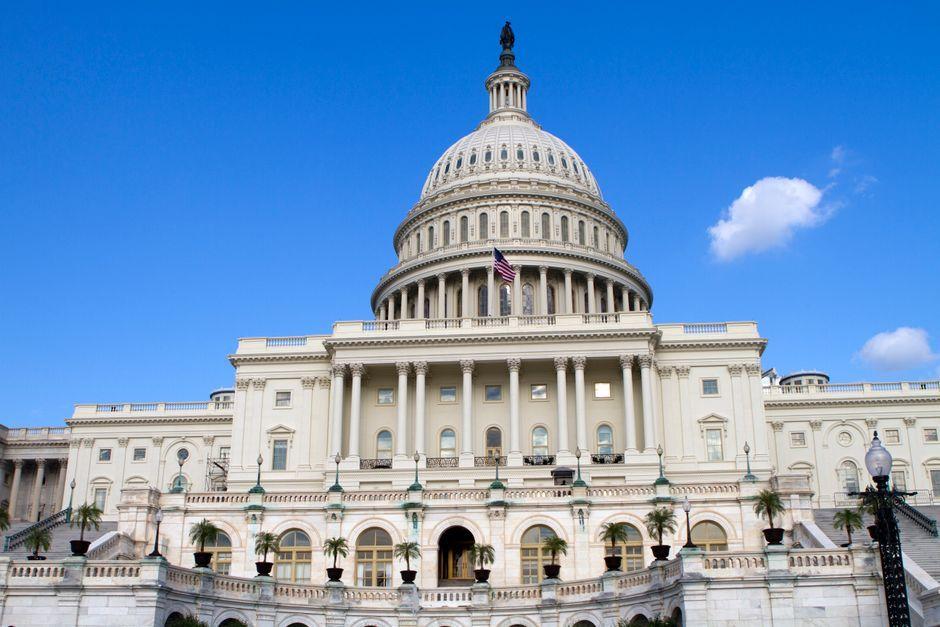
Stock photo for illustration only, not from the actual event
- Donald Trump threatened massive economic sanctions against nations aiding Iran.
- The warning follows the expiration of a 60-day ceasefire agreement on Monday.
- The UAE recently announced it is severing all economic ties with Iran.
- China remains the largest buyer of Iranian oil despite ongoing Washington pressure.
United States leader Donald Trump has posted in all capital letters on Truth Social that he is launching the most crushing economic operation ever taken against any country providing assistance to Iran. He did not provide further details or name any specific foreign nation in his post. This development comes after a 60-day ceasefire with Iran expired on Monday without any sign of a diplomatic or military resolution to the conflict initiated by the US and Israel at the end of February.
Trump's latest move appears to extend the pressure campaign known as Operation Economic Fury, launched in April to sanction foreign banks or businesses engaging with Tehran. Trump stated that any country allowing its financial institutions, businesses, airports, or government entities to offer any lifeline to Iran will face tremendous economic consequences. He did not specify the exact punishments, but demanded an immediate halt to oil smuggling, swap lines, cash transfers, exchange houses, ship registries, and front companies.
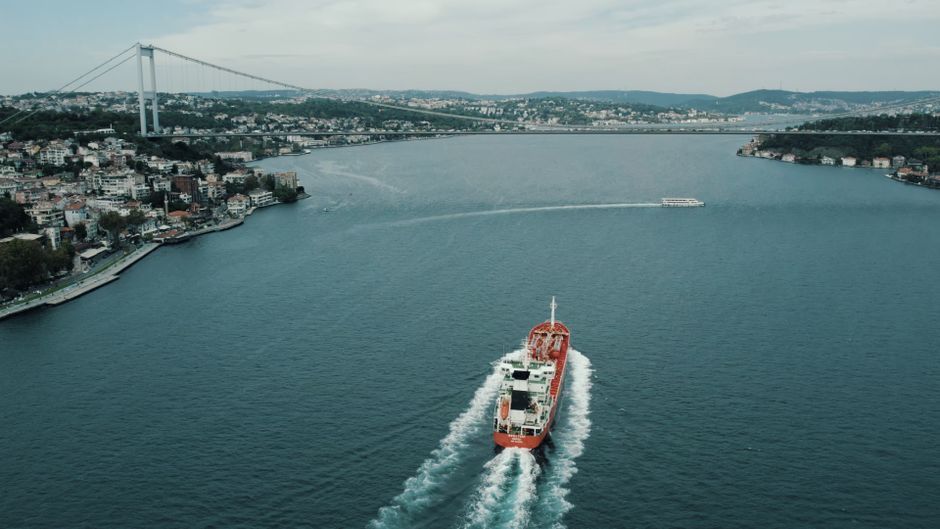
Stock photo for illustration only, not from the actual event
This development arrived a day after the United Arab Emirates, a key US ally, announced it would sever all financial and economic ties with Iran following a new missile threat. The UAE defence ministry reported detecting two ballistic missiles launched from Iran targeting maritime traffic, both landing in the sea. Iranian entities have historically utilized Dubai's financial system to transfer funds through exchange houses and shell companies. Following the UAE's decision, Iran's armed forces warned neighboring Gulf nations against supporting the US military, stating any assistance would be treated as collusion.
Although China was not named in the post, businesses in the country are the primary buyers of Iranian oil, which serves as a key funding source for Tehran. Since the war began, Washington has sanctioned several privately owned teapot refineries mostly located in Shandong province in eastern China. Meanwhile, the US and Oman have conducted separate negotiations with Tehran to reopen the Strait of Hormuz, a critical waterway for the global economy. The ongoing conflict has significantly disrupted traffic through this vital shipping route, driving up global energy prices as roughly 20 percent of the world's crude oil and LNG typically passes through the strait.
From a geopolitical standpoint, combining economic pressure with a naval blockade under Operation Economic Fury highlights Washington's strategy to dismantle Tehran's revenue streams without committing large-scale ground forces. However, threatening secondary sanctions against allies and regional partners risks destabilizing global energy supply chains and forcing nations to navigate difficult diplomatic alignments, especially as domestic pressures mount ahead of US midterm elections.
Last week, Treasury Secretary Scott Bessent stated that the US would soon impose economic isolation on Iran like the world has never seen before. Both the White House and the US Treasury Department have been approached by the BBC for comment regarding the latest announcements. Trump continues to face political pressure regarding the financial burden the war places on American consumers ahead of the US midterm elections scheduled for November.
Source: BBC Business
Found something wrong in this article? Report an issue with this article
Comments
Leave a Comment