

Giant whales move into Greenland waters as ice disappears
A decades-long study reveals humpback, minke, and fin whales have moved into ice-free East Greenland coastal waters to feed in summer 2024.
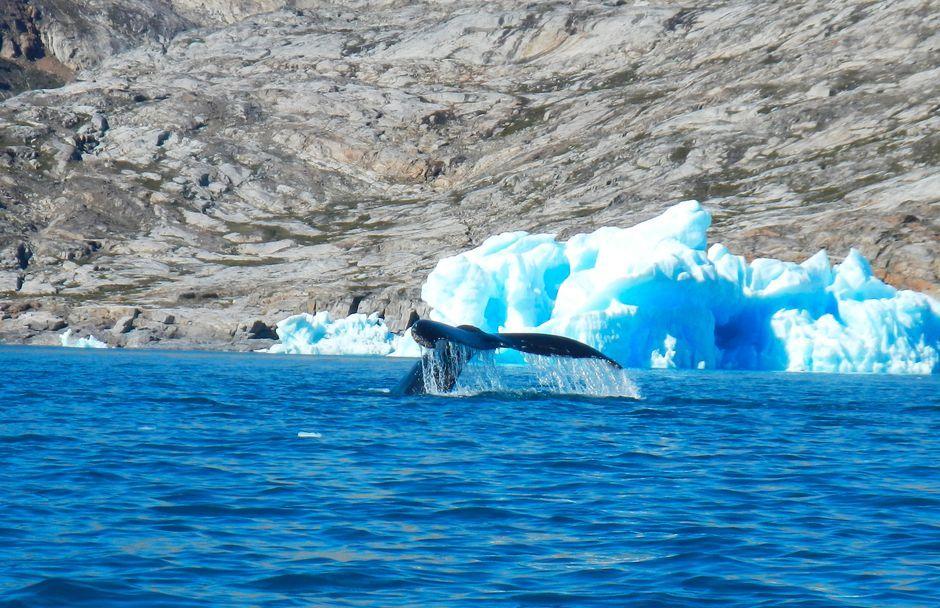
Stock photo for illustration only, not from the actual event
- Sea ice disappearance in East Greenland opens up new areas for giant whales
- Researchers documented hundreds of humpback, minke, and fin whales feeding in summer
- The three whale species are estimated to consume 800,000 tonnes of fish and krill
- Native Arctic species like narwhals face habitat loss and displacement
Global climate change has profoundly altered marine ecosystems across the Arctic, specifically along the coast of East Greenland where sea ice historically acted as an impenetrable barrier keeping large marine mammals out. Today, as warming waters melt that ice away, giant whales are taking full advantage of the newly accessible areas.
Published in the journal Frontiers in Marine Science, a decades-long study combining boat surveys, satellite tracking of 15 whales, and testimony from Inuit hunters has documented hundreds of the world's biggest whales feeding along the coast in summer. Scientists describe these seasonal events as Arctic feeding frenzies, marking a major ecological regime shift in the region.
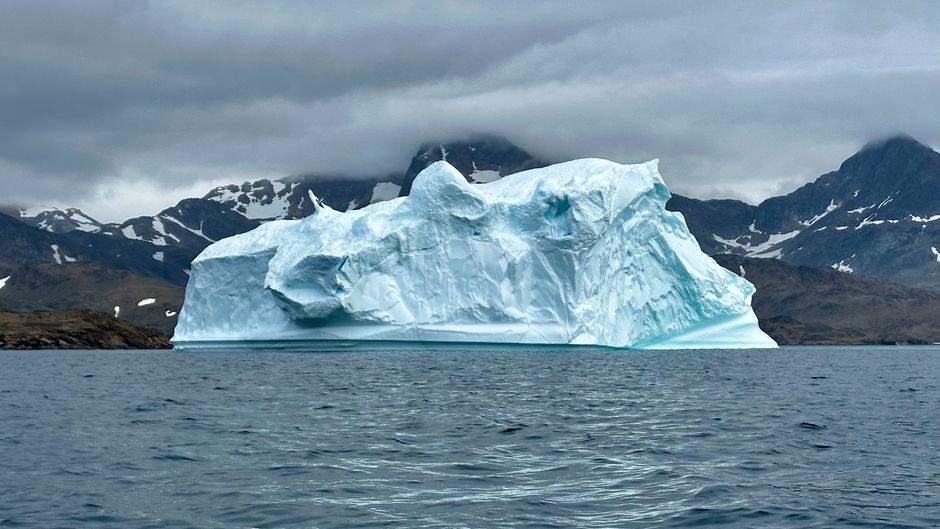
Stock photo for illustration only, not from the actual event
The transformation is striking when looking at historical survey records. Ship-based surveys recorded zero sightings of humpback whales in the region prior to 2006, before spotting 7 individuals in 2007, and witnessing a dramatic surge to 150 ship-based sightings by 2024.
Prof Mads Peter Heide-Jørgensen from the Greenland Institute of Natural Resources told BBC News that the regional changes are likely the most radical seen anywhere in the subarctic. Driven by rising sea temperatures, these opportunistic baleen whales are feeding on fish moving into the warming waters, consuming an estimated 800,000 tonnes of fish and krill during a single summer season.
"The changes in the region were probably the most radical we can see anywhere in the subarctic."
Prof Mads Peter Heide-Jørgensen
This unprecedented migration highlights the complex ripple effects of climate change on marine biodiversity. While opportunistic predators adapt to changing food availability, the influx raises critical questions about regional resource management, potential overlapping territories with local fisheries, and the delicate balance of subarctic food webs that scientists continue to monitor closely.
While these opportunistic baleen whales appear to be adapting and benefiting from the warming trend, other native Arctic species are now in trouble. Animals including narwhals and belugas are currently sharing their limited habitat with or being entirely displaced by these incoming marine giants, according to researchers.
Source: BBC Science & Environment
Found something wrong in this article? Report an issue with this article
Comments
Leave a Comment